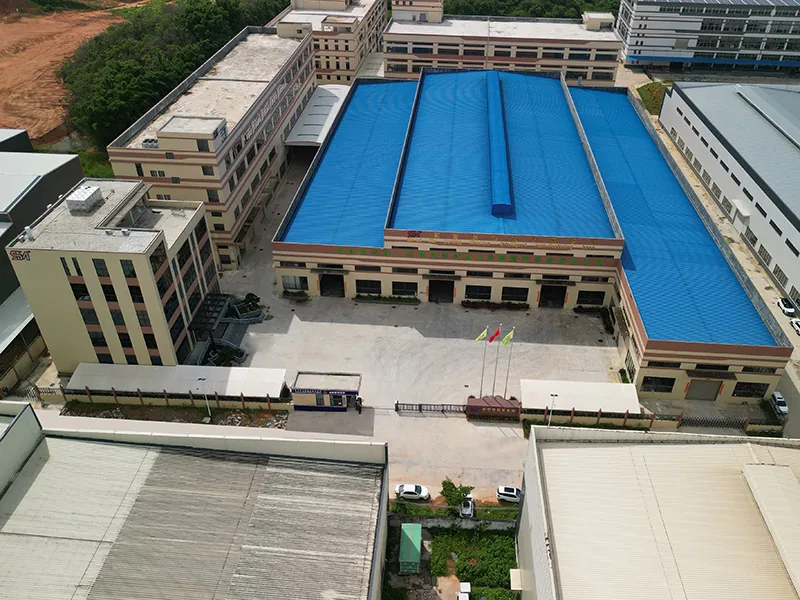
Cold chamber machines, hot chamber machines, and replacement parts

Die Casting Machines and Spare Parts Built Around Your Production Requirement

Luxue helps overseas factories, purchasing teams, and distributors source complete die casting machines and hard-to-identify replacement parts. Send your alloy, casting, die, machine model, or old-part details for a scoped quotation instead of a generic model list.

  • Cold chamber machines for aluminum and magnesium
  • Hot chamber machines for zinc alloys
  • Spare-part matching by photo, dimension, drawing, or sample

Verified information used on this site

1998Business established
16Machine models listed
8Spare-part categories
NingboZhejiang, China

Company facts and machine parameters are based on the information and brochures supplied for this website. Certificates, customer claims, export cases, and brand authorizations are not published without separate verification.

Choose the machine process first

Cold Chamber and Hot Chamber Die Casting Machines Serve Different Alloys

Cold chamber machines are commonly used for aluminum and magnesium castings, while hot chamber machines are commonly selected for zinc alloy production. The correct route depends on the alloy, casting size, shot weight, die envelope, output target, and required automation.

Cold chamber die casting machine
Aluminum and magnesium | 180 to 3000 tons

Cold Chamber Die Casting Machines

Cold chamber equipment is used when molten metal is ladled into a separate shot sleeve. It is the main route for aluminum housings, automotive and industrial components, hardware, appliance parts, and other non-ferrous castings that require a larger machine range.

  • Screen by projected area, total shot weight, and die dimensions
  • Confirm shot-sleeve and plunger options against the casting
  • Define furnace, ladler, sprayer, extractor, trim, and utility scope
Explore cold chamber machines
Hot chamber die casting machine
Zinc alloy production | 38 to 168 tons

Hot Chamber Die Casting Machines

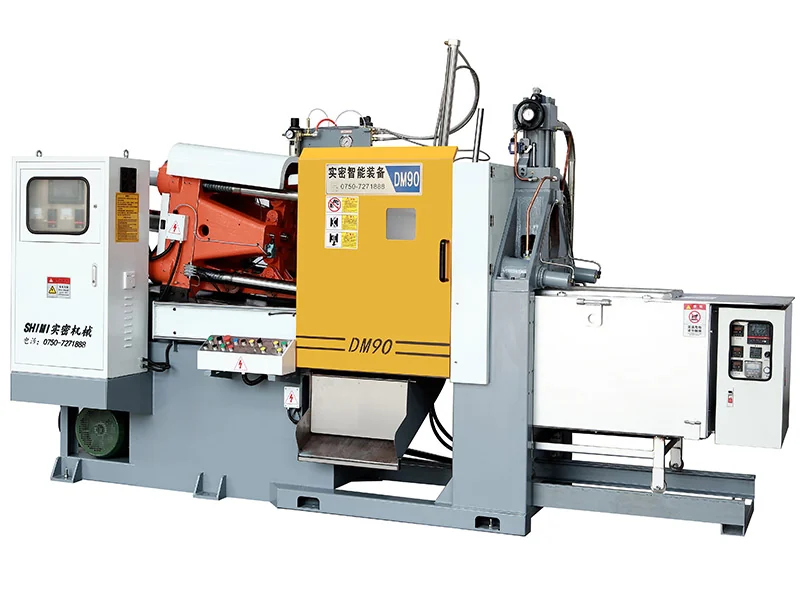
Hot chamber equipment uses an integrated metal-delivery system and is commonly chosen for zinc alloy parts that benefit from repeatable injection and efficient cycle times. Typical projects include hardware, connectors, decorative components, fittings, and other small precision castings.

  • Screen by zinc shot weight, die envelope, and cavity count
  • Confirm nozzle, gooseneck, furnace, heater, and temperature parts
  • Review cycle target, operating hours, and replacement hot-end parts
Explore hot chamber machines

Machine options by search intent

Popular Cold Chamber and Hot Chamber Die Casting Machine Ranges

Use the application and required tonnage to narrow the shortlist. Each specification page lists the clamping force, shot weight, die dimensions, and machine size needed for a more useful technical comparison.

For a faster shortlist: send the casting drawing, alloy, part plus runner weight, cavity count, die dimensions, target output, voltage, destination, and the automation expected in the cell.
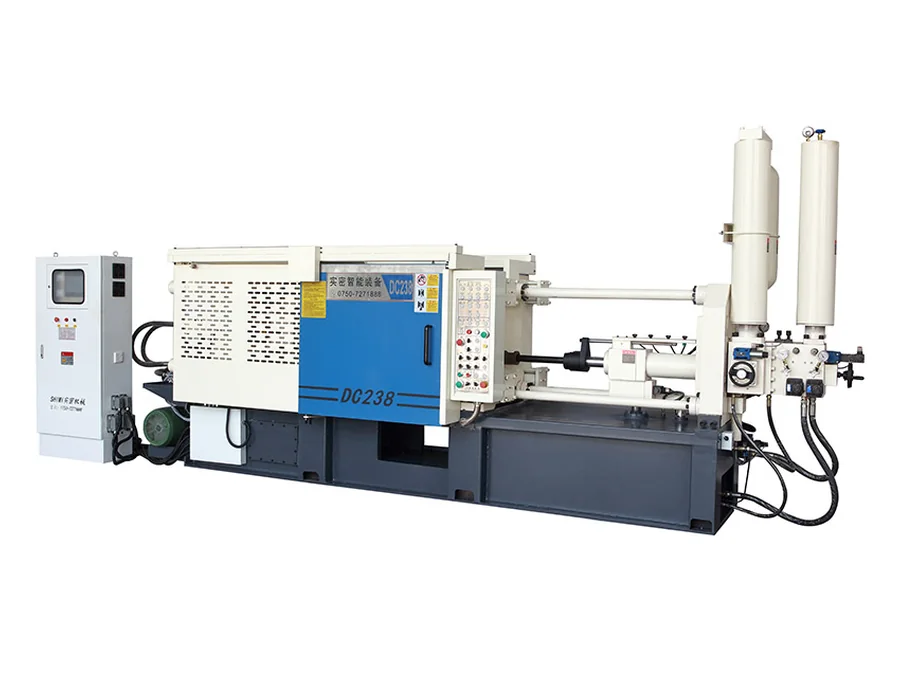
238 Ton Cold Chamber Die Casting Machine, model DC238T
Model DC238T2,380 kNAluminum alloys / Magnesium alloys

238 Ton Cold Chamber Die Casting Machine

A compact cold chamber option for aluminum or magnesium parts whose projected area, die envelope, and total shot weight fit a 2,380 kN platform. Review this range for smaller housings, hardware, brackets, and multi-cavity components.

View specifications →
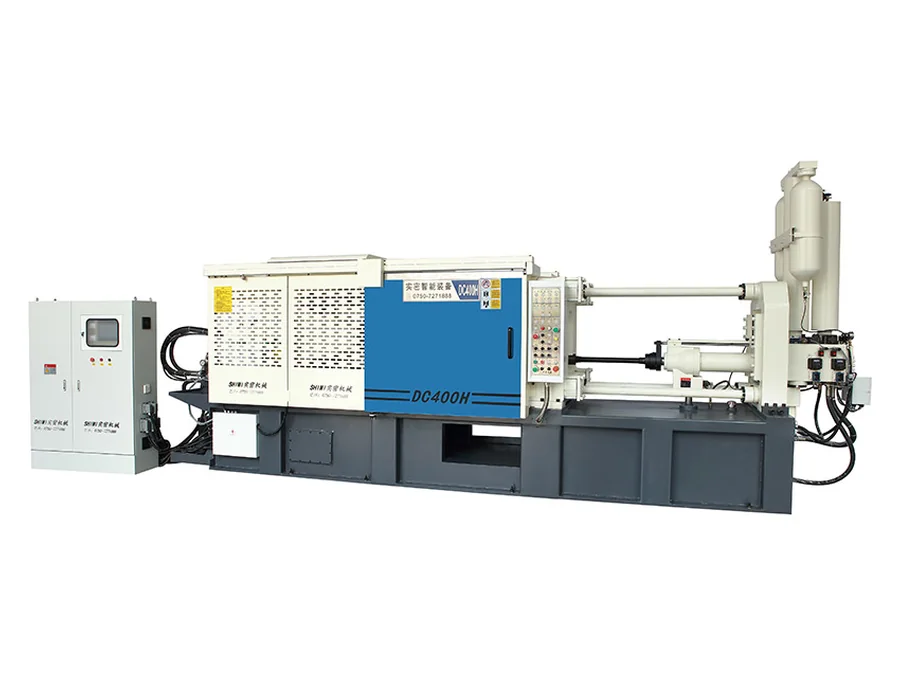
400 Ton Aluminum Die Casting Machine, model DC400T
Model DC400T4,000 kNAluminum alloys / Magnesium alloys

400 Ton Aluminum Die Casting Machine

A mid-range aluminum die casting machine for programs that need more die space and shot capacity than compact equipment can provide. The final match depends on casting plus runner weight, projected area, die dimensions, and automation scope.

View specifications →
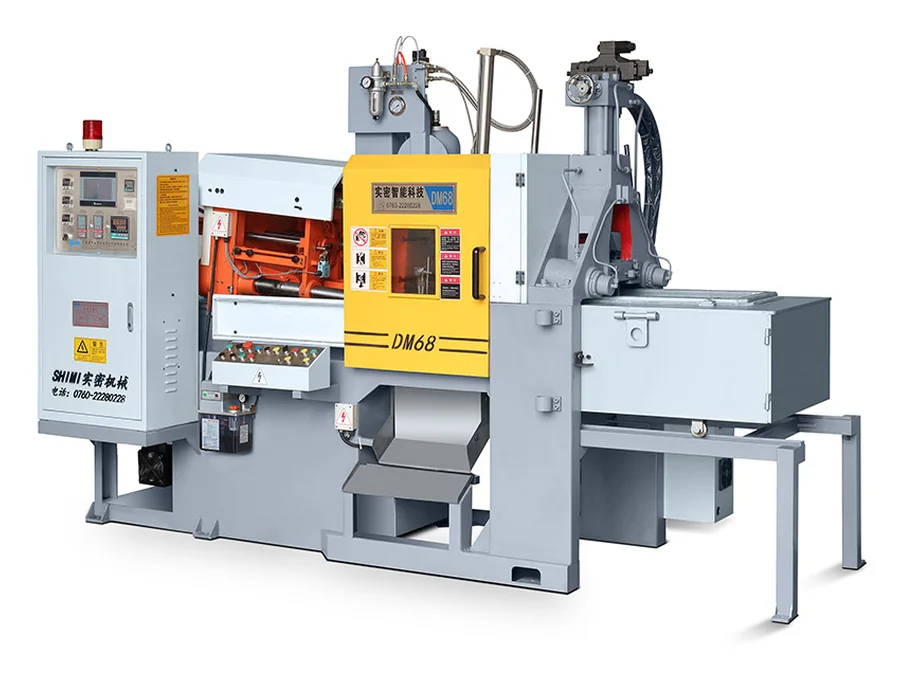
68 Ton Hot Chamber Zinc Die Casting Machine, model DM68T
Model DM68T680 kNZinc alloys

68 Ton Hot Chamber Zinc Die Casting Machine

A hot chamber zinc machine for compact dies and repeat production where integrated metal delivery can support efficient cycle times. Confirm zinc shot weight, die size, cavity count, nozzle arrangement, and target output before selection.

View specifications →
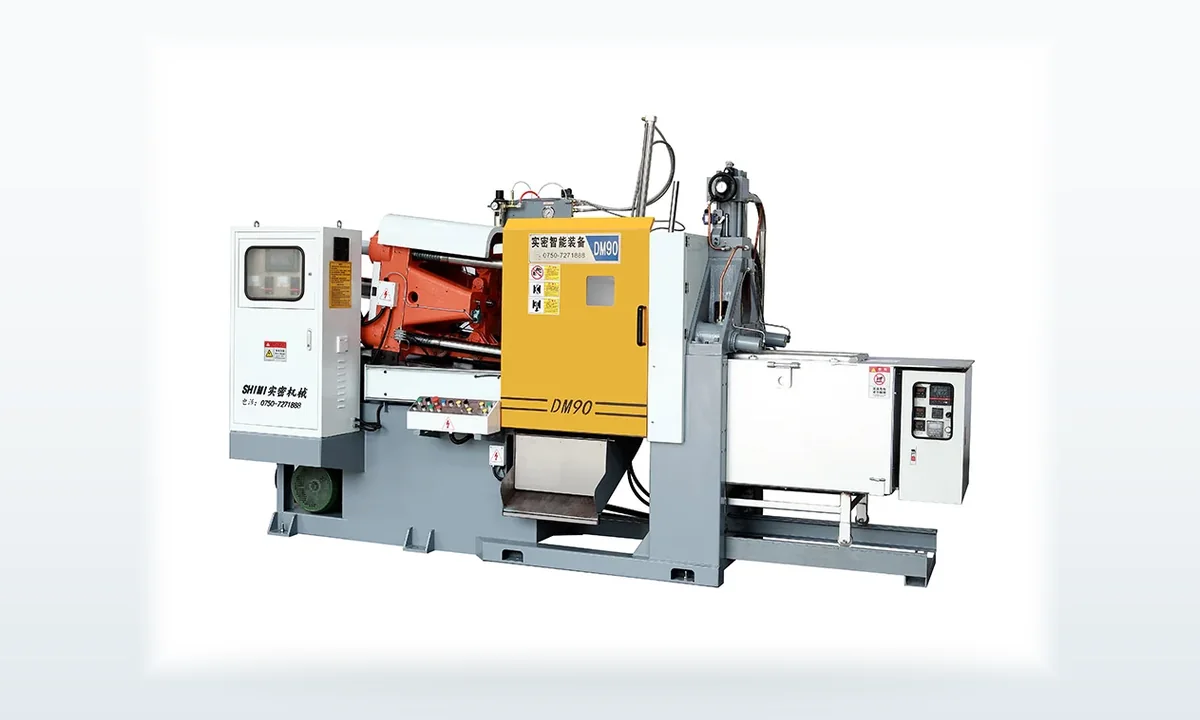
90 Ton Hot Chamber Die Casting Machine, model DM90T
Model DM90T900 kNZinc alloys

90 Ton Hot Chamber Die Casting Machine

A larger hot chamber option for zinc components that need a 900 kN clamping platform, additional die space, or a broader shot package. Share the part drawing, die data, and production target for configuration review.

View specifications →

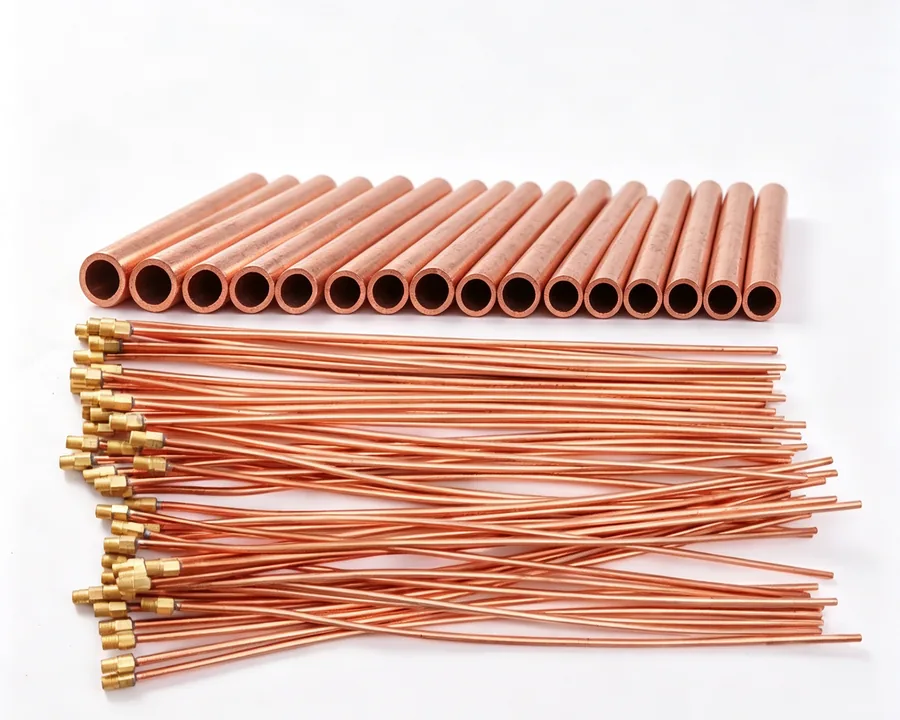
Spare-parts identification

Die Casting Machine Spare Parts Matched by Evidence, Not Guesswork

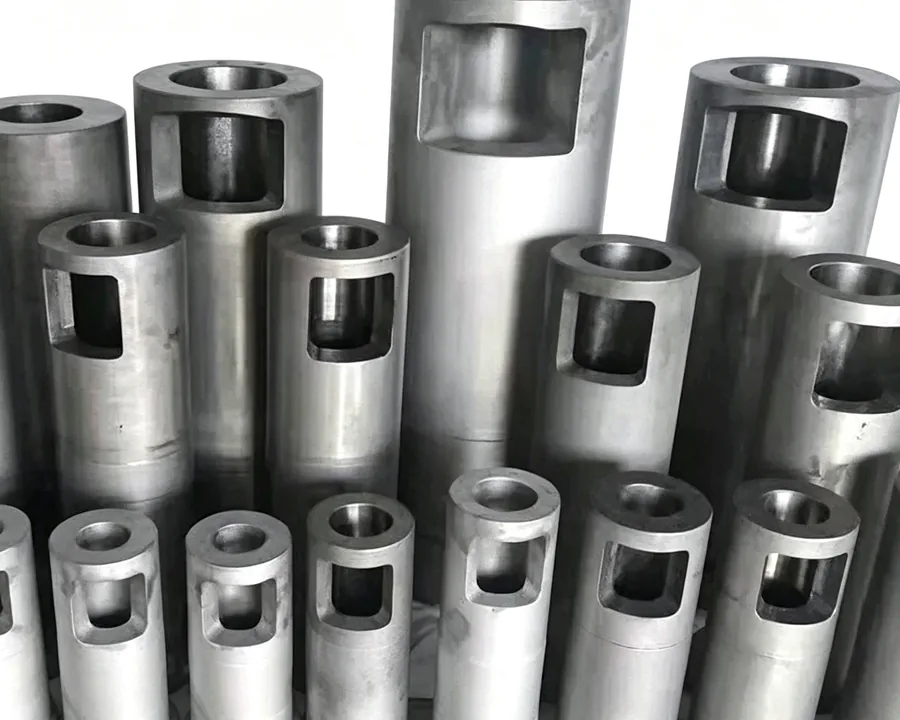
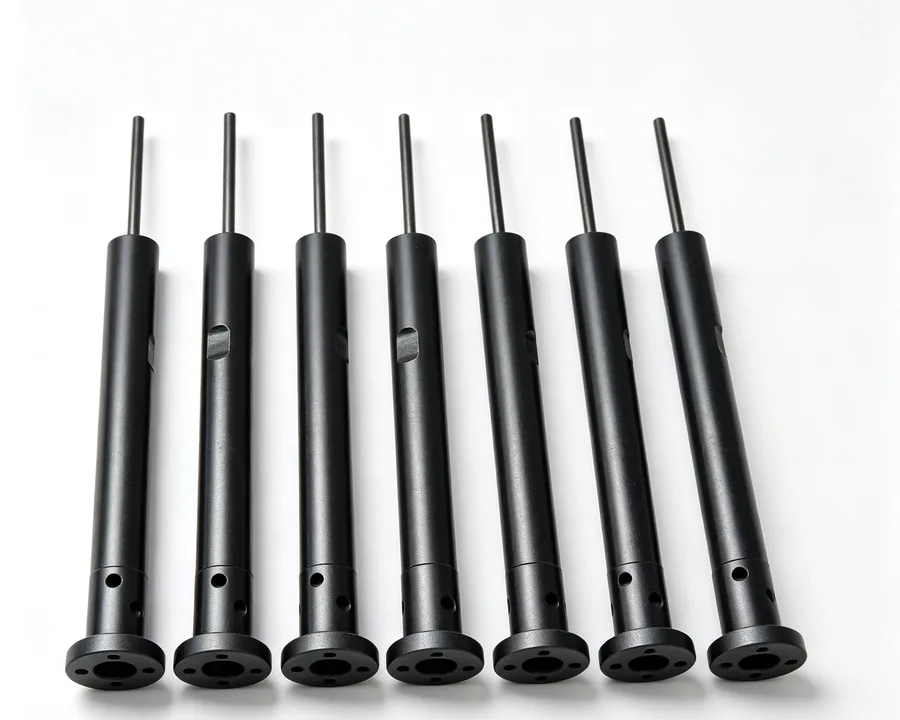
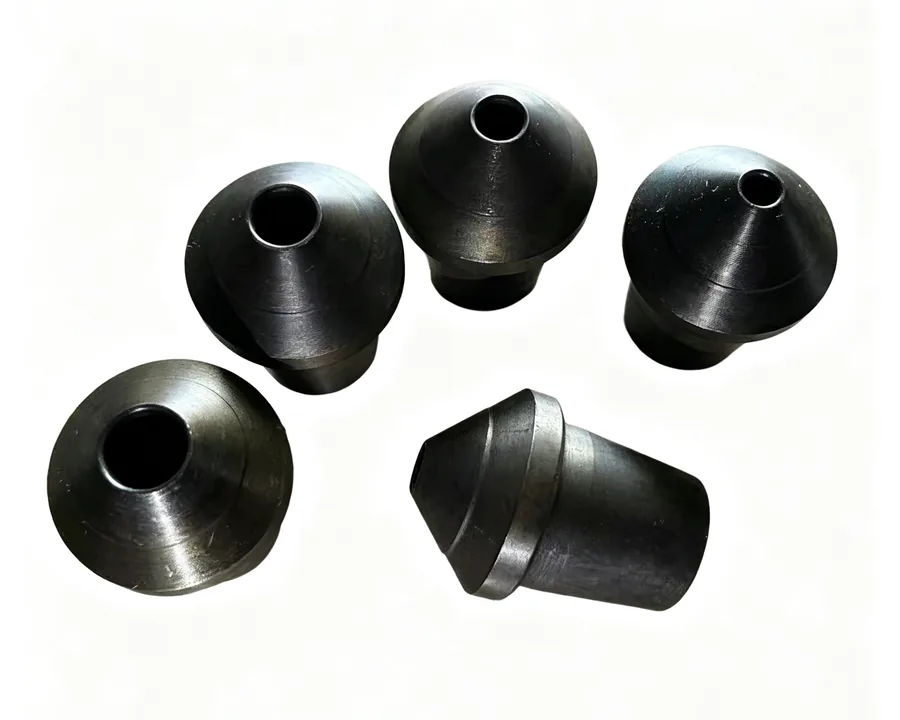
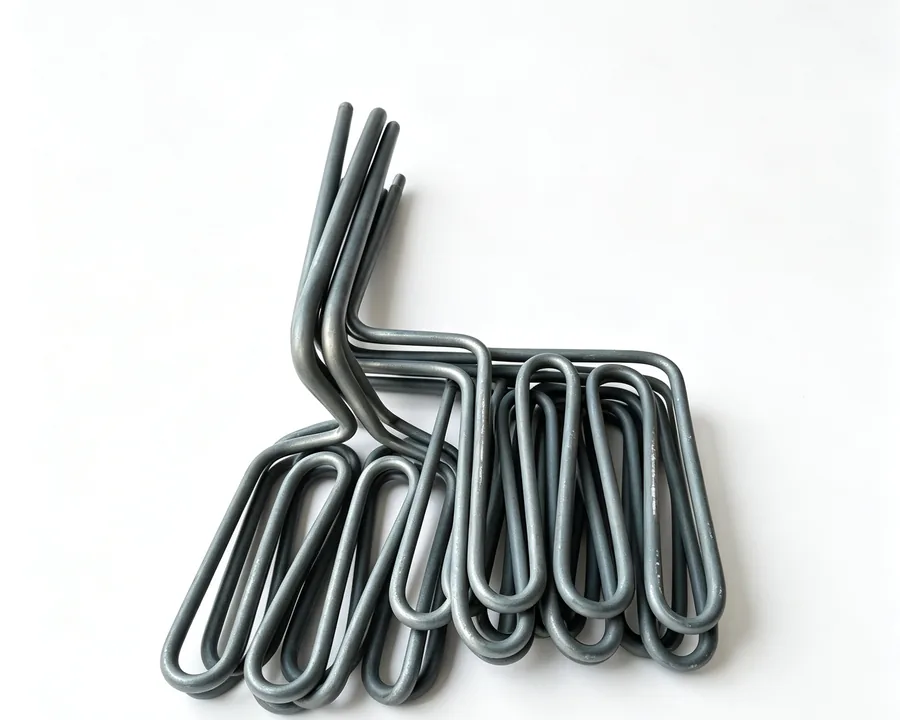
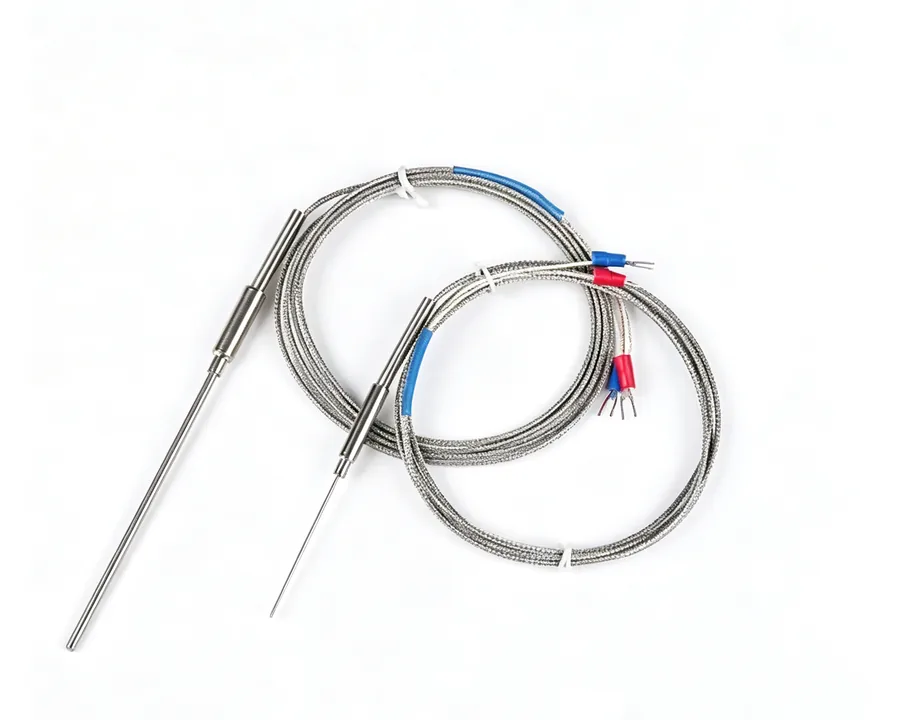
Replacement parts often fail because a general part name or machine model is not enough. Machine revisions, previous repairs, shot-end dimensions, voltage, thread, material, and operating temperature can all change the fit.

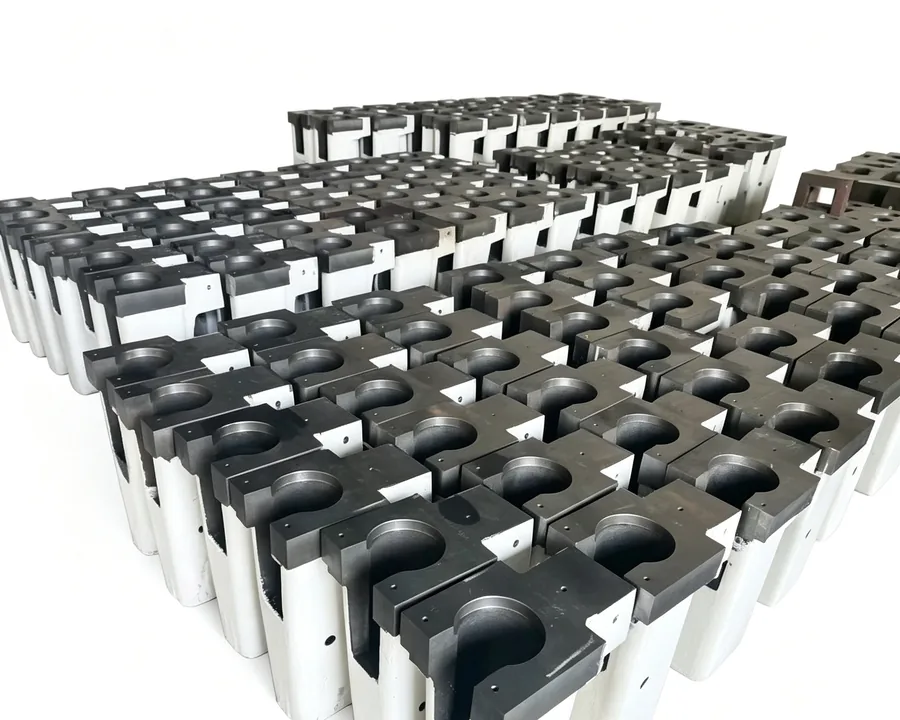
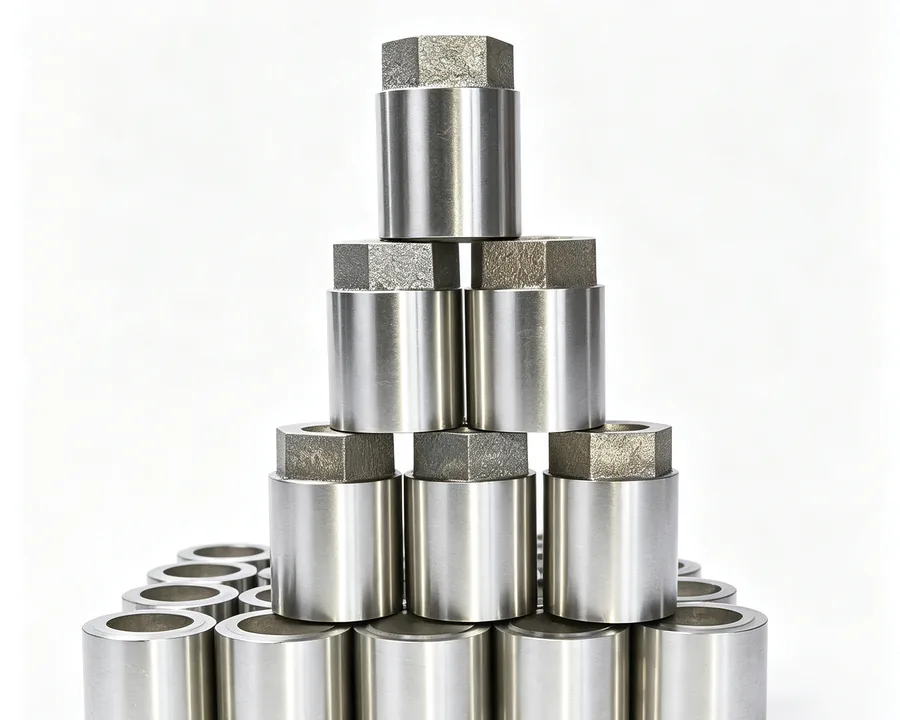
Luxue can review cold chamber and hot chamber spare parts using clear photos, measured dimensions, drawings, samples, and machine information. Send the complete part, its connection points, critical measurements, quantity, and operating condition so the quotation can be based on the actual requirement.

References to LK, YIZUMI, CHENGAO, and XINJIASHENG describe intended compatibility only. They do not imply official affiliation, authorization, or endorsement.

  • Machine brand, model, and build period when available
  • Full-part photos plus close-ups of connections and wear
  • Critical dimensions, material, voltage, or temperature
  • Drawing or physical sample for non-standard parts
  • Required quantity and purchase timing

Production visibility and purchase assurance

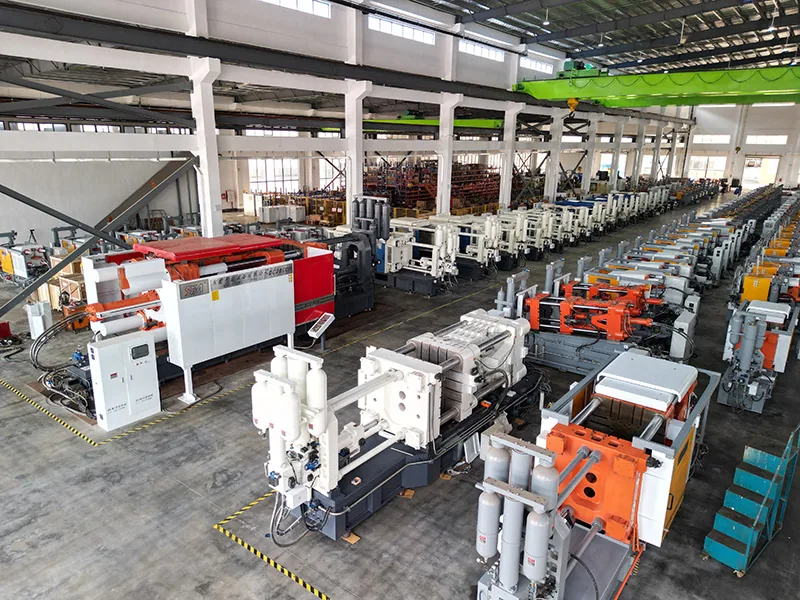
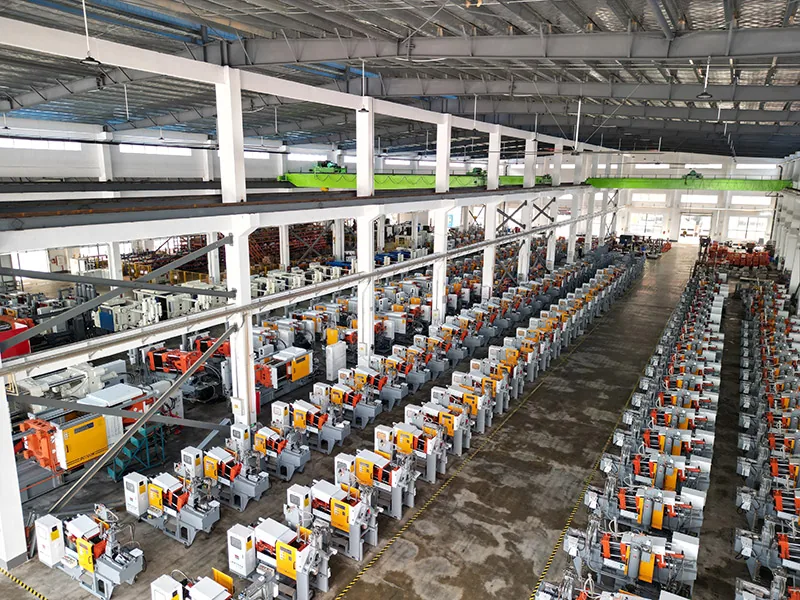
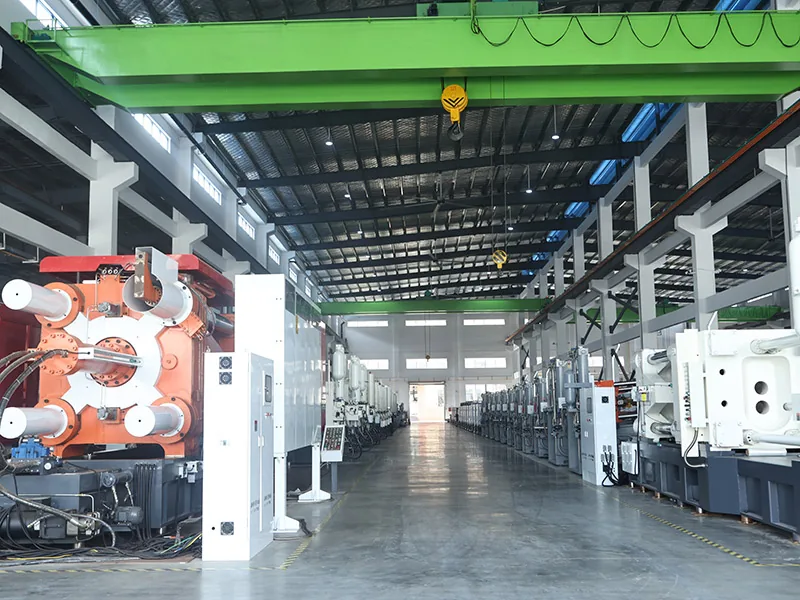
What Buyers Should Be Able to Verify Before Placing an Order

A reliable purchase is built on a clear technical scope, documented parameters, production visibility, and agreed delivery responsibilities. The purpose of this section is to reduce uncertainty before payment, not to replace final technical confirmation.

Scope confirmed before quotation

The machine, shot package, voltage, peripherals, spare parts, documents, packing, and delivery terms should be listed clearly so different quotations can be compared line by line.

Parts matched to evidence

Dimensions, drawings, samples, photos, material, and operating conditions are reviewed before a non-standard spare part is accepted for production.

Production and dispatch visibility

Buyers can request updated photos or video for the agreed production stage, packing arrangement, and equipment readiness before shipment.

Claims kept within the available evidence

Machine parameters come from the supplied brochures. Certificates, export cases, customer names, and brand authorizations are only shown after supporting files are verified.

Frequently asked questions

Questions Buyers Ask Before Sourcing a Die Casting Machine or Spare Part

These answers cover the first decisions behind machine type, tonnage, zinc and aluminum applications, spare-part identification, pricing, and supplier comparison. Final recommendations still depend on the casting, die, utilities, and agreed delivery scope.

What is the difference between cold chamber and hot chamber die casting machines?

Cold chamber machines receive molten metal through a separate shot sleeve and are commonly used for aluminum and magnesium alloys. Hot chamber machines use an immersed injection system and are commonly selected for zinc alloys and shorter-cycle production.

Which die casting machine is normally used for aluminum parts?

Aluminum die casting normally uses a cold chamber machine. The model is selected from the casting projected area, total shot weight, die size, cavity count, required injection performance, and planned automation.

Which die casting machine is suitable for zinc alloy production?

Zinc components are commonly produced on hot chamber machines. Selection should confirm zinc shot weight, die envelope, nozzle and gooseneck arrangement, furnace capacity, cycle target, and operating hours.

How do I choose the correct clamping tonnage?

Clamping tonnage cannot be selected from part weight alone. Provide the part drawing, projected area, alloy, expected cavity count, pressure requirement, die dimensions, and safety margin so the machine range can be screened correctly.

What information is needed for a useful machine quotation?

Send the alloy, casting and runner weight, part dimensions, die size, cavity count, target cycle or annual output, required voltage, destination, and the peripherals or automation expected in the production cell.

Can Luxue quote a complete die casting cell?

A quotation can include the machine and requested peripherals such as furnace, ladler, sprayer, extractor, trim equipment, cooling, and other cell items. The final scope is confirmed line by line before order placement.

Can you identify a spare part without an original part number?

Often yes, provided you send clear photos, the machine brand and model, critical dimensions, connection details, material or operating condition, quantity, and a drawing or sample when available.

Are your spare parts compatible with LK, YIZUMI, CHENGAO, or XINJIASHENG machines?

Luxue can review parts intended for those machine brands, but compatibility must be confirmed by model data, dimensions, drawing, or sample. Brand references describe intended fit only and do not imply official affiliation or authorization.

What affects the price of a die casting machine?

Price is affected by tonnage, shot-end configuration, control and hydraulic package, electrical standard, automation, furnace and peripherals, testing, documentation, packing, shipping scope, and destination. A project-specific quotation is more reliable than a generic list price.

What should I compare before choosing a supplier?

Compare the confirmed technical scope, included and excluded equipment, parameter source, electrical and safety requirements, spare-parts plan, documentation, packing, delivery terms, commissioning support, and the person responsible for follow-up.

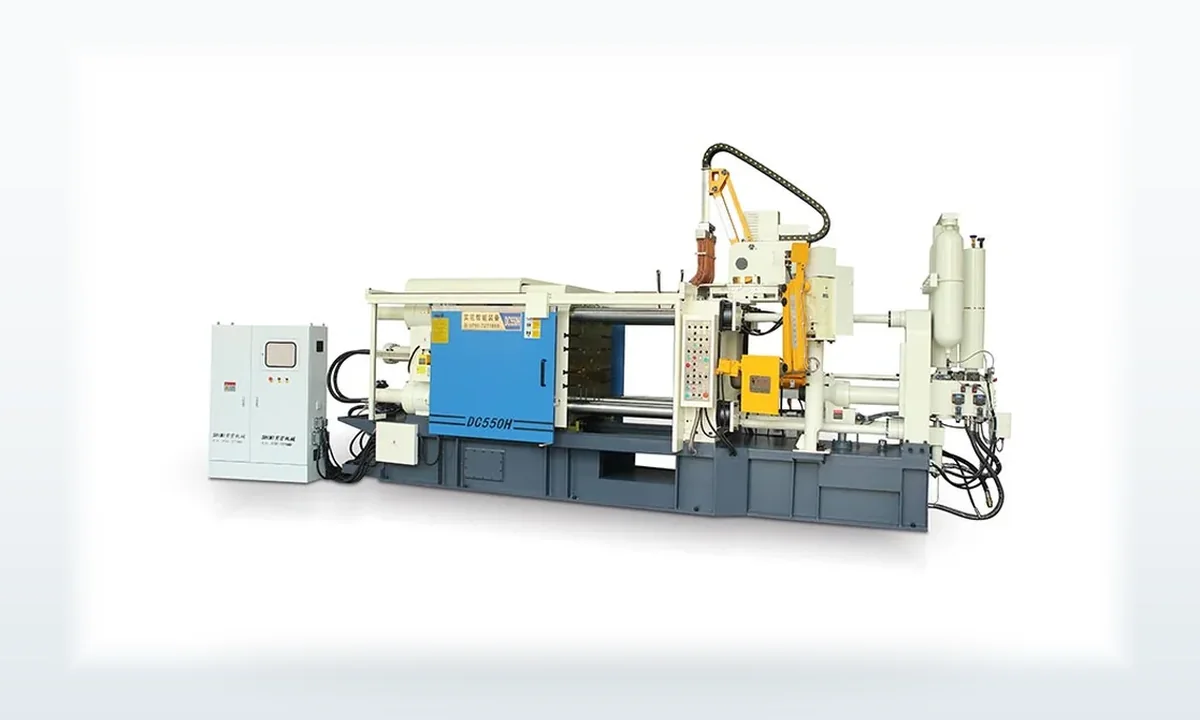
Request a quotation

Send Enough Detail to Receive a Useful Die Casting Quote

For a complete machine, send the alloy, casting weight and dimensions, die size, cavity count, target output, voltage, destination, and the peripherals expected in the production cell. If you do not know the tonnage, upload the drawing and request an initial range review.

For a spare part, send the machine brand and model, part name, clear photos, critical dimensions, quantity, and a drawing or sample when available. The more evidence provided at the start, the easier it is to avoid a vague or mismatched quotation.

  • Technical requirement and application review
  • Clear quotation scope and requested options
  • Attachment support for drawings and old-part photos
  • Response by email, with WhatsApp available for follow-up
sales@luxuediecasting.com WhatsApp Cathy
Get a Quote WhatsApp