Aluminum and magnesium | 180 to 3000 tons

Cold Chamber Die Casting Machines

Compare 11 cold chamber die casting machine models for aluminum and magnesium projects. Select the machine from your casting, die, required injection performance, and automation scope, not nominal tonnage alone.

  • 1,800-30,000 kN clamping-force range
  • Aluminum shot packages from 0.6 to 60 kg
  • Machine-only or integrated cell quotation
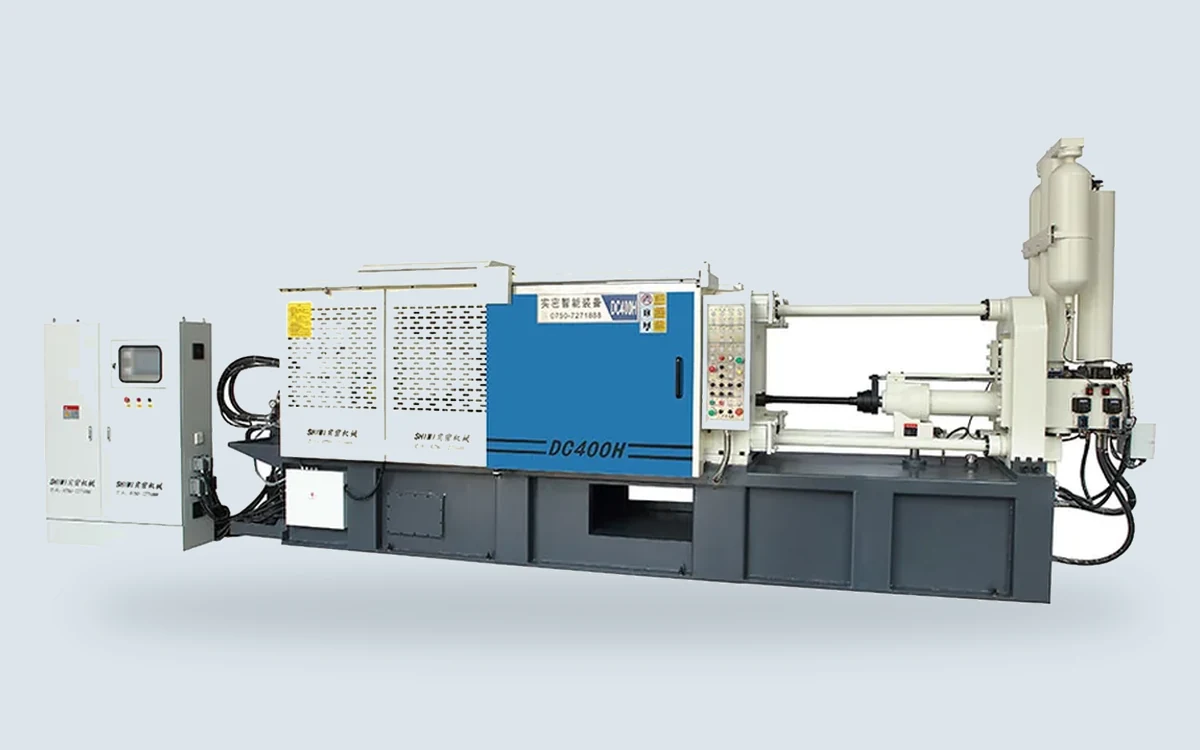
DC400T cold chamber die casting machine for aluminum production
Representative DC400T machine. Final configuration depends on the casting and cell scope.
Direct answer: A cold chamber die casting machine is the standard high-pressure route for many aluminum castings. The right model must satisfy clamping force, shot capacity, tie-bar spacing, platen size, die thickness, and injection requirements at the same time.
11listed machine models
180-3000 Tnominal machine range
0.6-60 kglisted aluminum shot packages
Al / Mgcommon alloy route

Model range and specifications

Compare Cold Chamber Die Casting Machine Models

Use this model index for an initial shortlist. Shot weight varies with the selected plunger package, and the final machine must also clear the die and meet the required injection conditions.

01Representative compact range cold chamber die casting machine for the DC180T size range
Compact range

180 Ton Aluminum Cold Chamber Die Casting Machine

DC180T

Compact aluminum platform for smaller casting and die envelopes.

Representative range image; confirm the supplied configuration.
Clamping force
1,800 kN
Aluminum shot
0.6 / 0.9 / 1.3 kg
Tie-bar spacing
486 x 486 mm
Die thickness
200-520 mm
View DC180T specifications
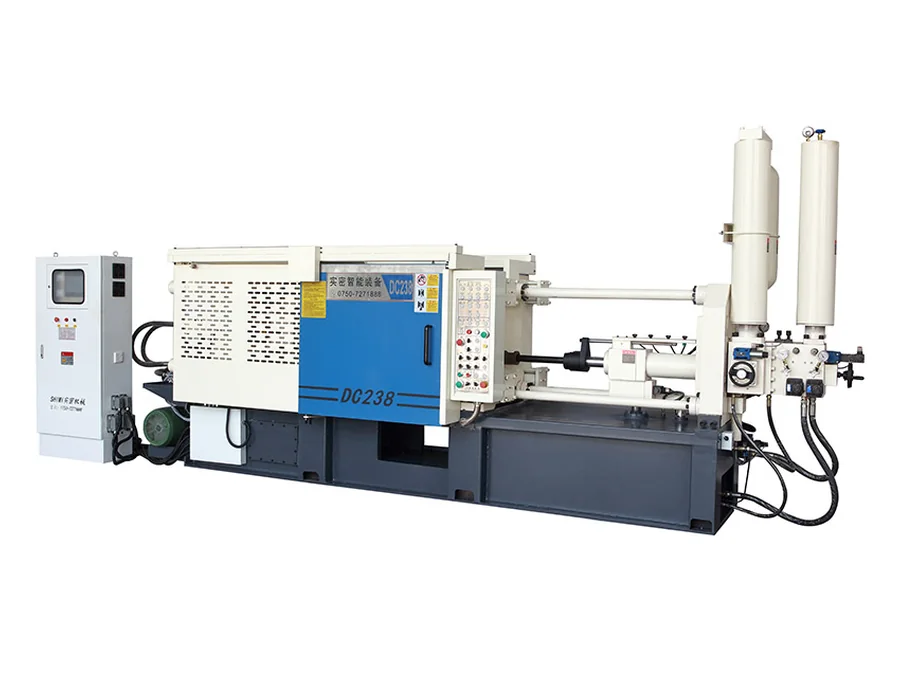
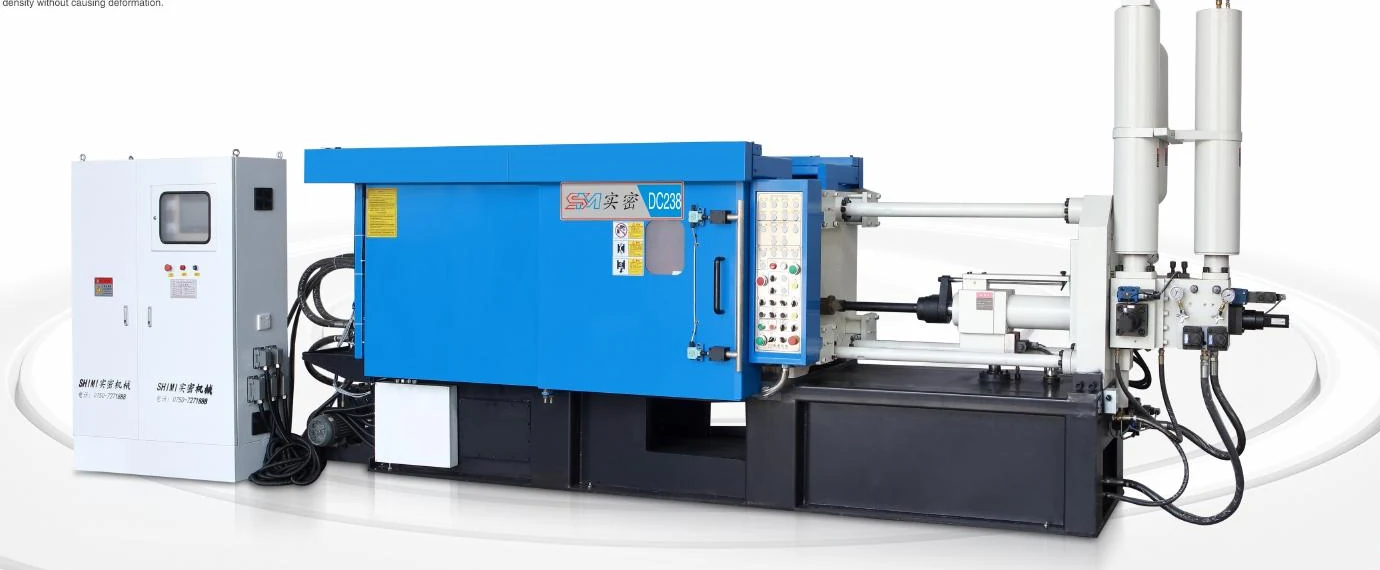
02Representative compact range cold chamber die casting machine for the DC238T size range
Compact range

238 Ton Aluminum Cold Chamber Die Casting Machine

DC238T

Compact aluminum platform for smaller casting and die envelopes.

Representative range image; confirm the supplied configuration.
Clamping force
2,380 kN
Aluminum shot
1.42 / 2.2 / 2.8 kg
Tie-bar spacing
530 x 530 mm
Die thickness
200-670 mm
View DC238T specifications
03Representative compact range cold chamber die casting machine for the DC300T size range
Compact range

300 Ton Aluminum Cold Chamber Die Casting Machine

DC300T

Compact aluminum platform for smaller casting and die envelopes.

Representative range image; confirm the supplied configuration.
Clamping force
3,000 kN
Aluminum shot
1.57 / 2.2 / 3.0 kg
Tie-bar spacing
580 x 580 mm
Die thickness
250-700 mm
View DC300T specifications
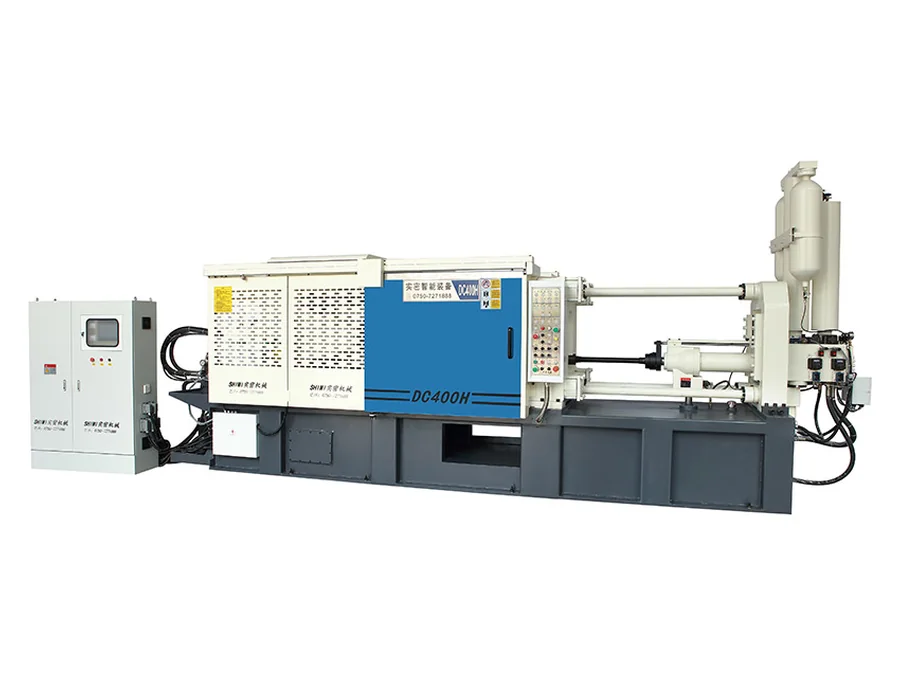
04Representative mid range cold chamber die casting machine for the DC400T size range
Mid range

400 Ton Aluminum Cold Chamber Die Casting Machine

DC400T

Mid-range platform for growing shot, die-space, and automation requirements.

Representative range image; confirm the supplied configuration.
Clamping force
4,000 kN
Aluminum shot
3.0 / 4.1 / 5.1 kg
Tie-bar spacing
700 x 700 mm
Die thickness
250-700 mm
View DC400T specifications
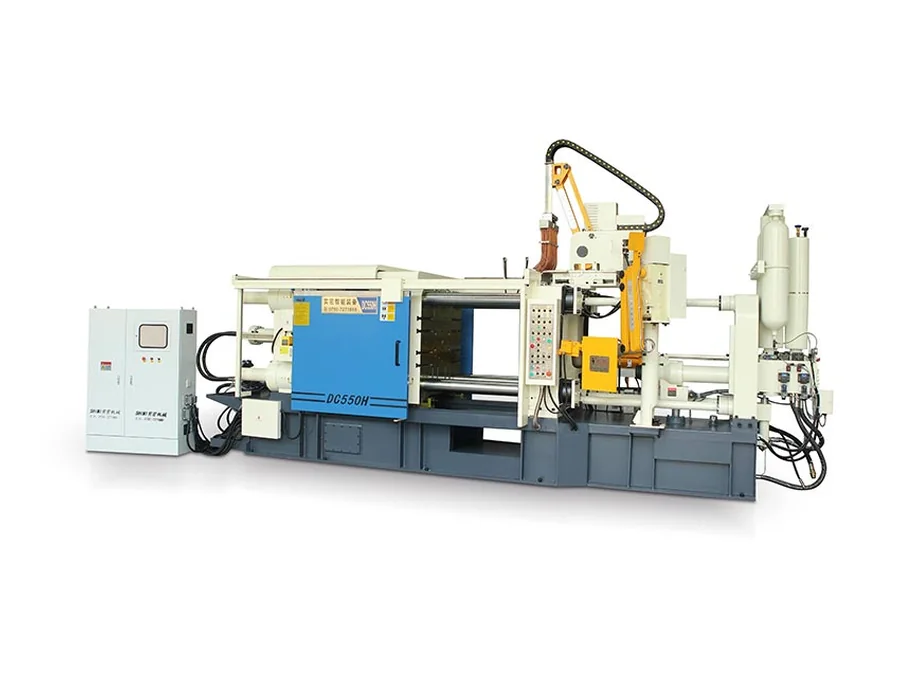
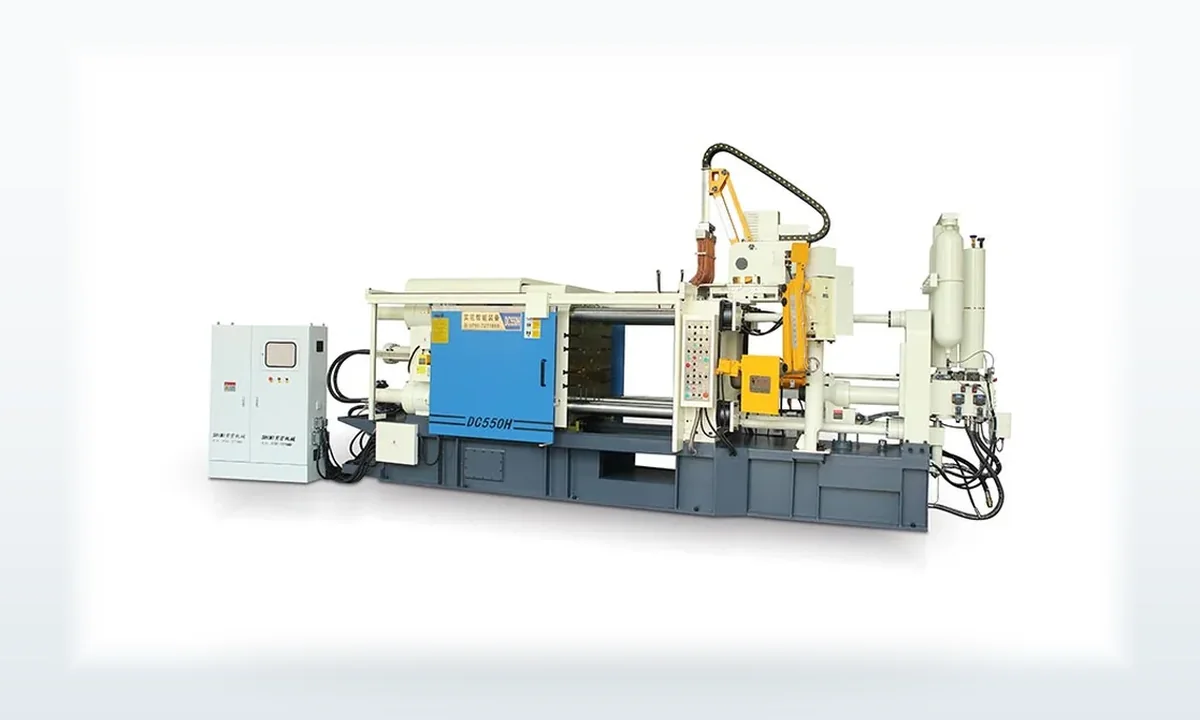
05Representative mid range cold chamber die casting machine for the DC550T size range
Mid range

550 Ton Aluminum Cold Chamber Die Casting Machine

DC550T

Mid-range platform for growing shot, die-space, and automation requirements.

Representative range image; confirm the supplied configuration.
Clamping force
5,500 kN
Aluminum shot
4.3 / 5.6 / 7.0 kg
Tie-bar spacing
780 x 780 mm
Die thickness
350-850 mm
View DC550T specifications
06Representative large range cold chamber die casting machine for the DC880T size range
Large range

880 Ton Aluminum Cold Chamber Die Casting Machine

DC880T

Large platform for higher projected area, shot demand, and die clearance.

Representative range image; confirm the supplied configuration.
Clamping force
8,800 kN
Aluminum shot
9.1 / 11.2 / 12 kg
Tie-bar spacing
960 x 960 mm
Die thickness
400-950 mm
View DC880T specifications
07Representative large range cold chamber die casting machine for the DC1000T size range
Large range

1000 Ton Aluminum Cold Chamber Die Casting Machine

DC1000T

Large platform for higher projected area, shot demand, and die clearance.

Representative range image; confirm the supplied configuration.
Clamping force
10,000 kN
Aluminum shot
10 / 12.5 / 15 / 18 kg
Tie-bar spacing
1030 x 1030 mm
Die thickness
450-1150 mm
View DC1000T specifications
08Representative heavy range cold chamber die casting machine for the DC1300T size range
Heavy range

1300 Ton Aluminum Cold Chamber Die Casting Machine

DC1300T

Heavy-duty platform requiring full die-handling, utility, foundation, and cell-layout review.

Representative range image; confirm the supplied configuration.
Clamping force
13,000 kN
Aluminum shot
13-36 kg
Tie-bar spacing
1100 x 1100 mm
Die thickness
450-1200 mm
View DC1300T specifications
09Representative heavy range cold chamber die casting machine for the DC2000T size range
Heavy range

2000 Ton Aluminum Cold Chamber Die Casting Machine

DC2000T

Heavy-duty platform requiring full die-handling, utility, foundation, and cell-layout review.

Representative range image; confirm the supplied configuration.
Clamping force
20,000 kN
Aluminum shot
22-39 kg
Tie-bar spacing
1350 x 1350 mm
Die thickness
600-1600 mm
View DC2000T specifications
10Representative heavy range cold chamber die casting machine for the DC2500T size range
Heavy range

2500 Ton Aluminum Cold Chamber Die Casting Machine

DC2500T

Heavy-duty platform requiring full die-handling, utility, foundation, and cell-layout review.

Representative range image; confirm the supplied configuration.
Clamping force
25,000 kN
Aluminum shot
30-55 kg
Tie-bar spacing
1500 x 1500 mm
Die thickness
700-1800 mm
View DC2500T specifications
11Representative heavy range cold chamber die casting machine for the DC3000T size range
Heavy range

3000 Ton Aluminum Cold Chamber Die Casting Machine

DC3000T

Heavy-duty platform requiring full die-handling, utility, foundation, and cell-layout review.

Representative range image; confirm the supplied configuration.
Clamping force
30,000 kN
Aluminum shot
35-60 kg
Tie-bar spacing
1650 x 1650 mm
Die thickness
850-2000 mm
View DC3000T specifications

Published parameters are based on the supplied machine brochure. Confirm the selected shot sleeve, plunger diameter, controls, electrical standard, and optional equipment in the quotation.
Specification source: supplied product brochure · Updated August 7, 2026 · Reviewed by Cathy, Director

Range overview

Choose a Practical Starting Range

Machine size is a screening tool, not the final answer. Start with the casting and die data, then review the closest models in the corresponding range.

DC238T compact cold chamber die casting machine for aluminum parts
Compact range

180-300 Ton Cold Chamber Machines

Review this range for smaller dies and aluminum components when projected area, total shot weight, tie-bar clearance, and die thickness fit the compact machine envelope.

Discuss your application
DC550T cold chamber aluminum die casting machine with automatic ladler
Mid-range

400-550 Ton Aluminum Die Casting Machines

Use the mid-range shortlist when the casting requires more die space, shot capacity, or automation scope than compact equipment can provide.

Discuss your application
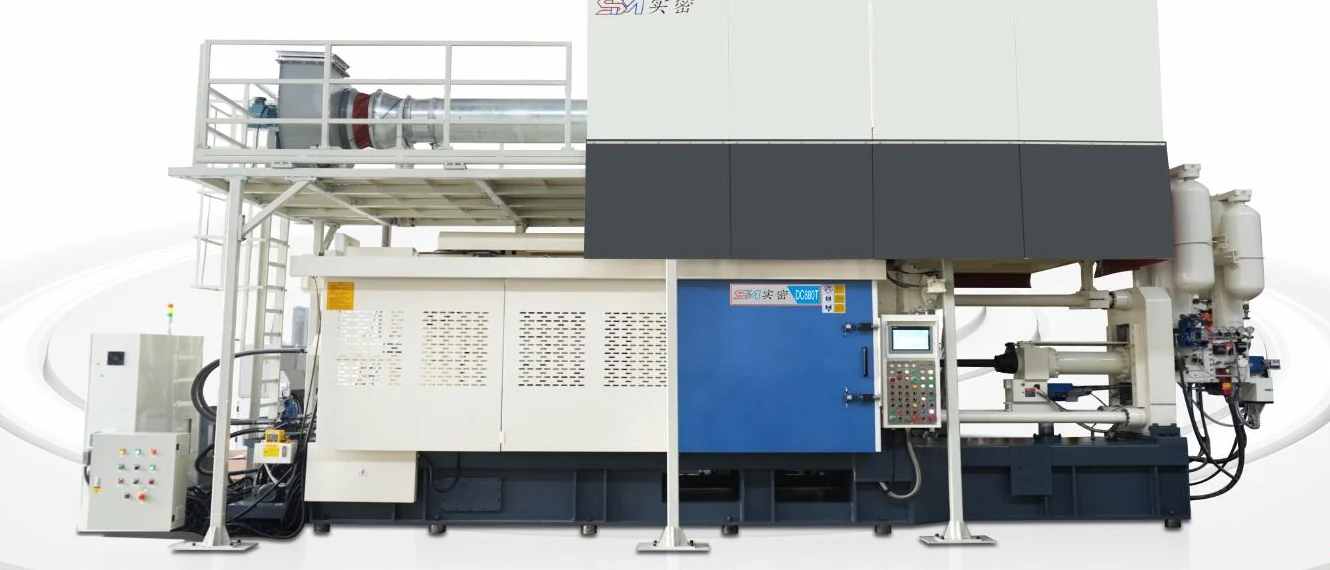
DC880T heavy cold chamber die casting machine with elevated platform
Large range

880-3000 Ton Heavy-Duty Machines

Large housings and industrial castings require a project review covering the die envelope, shot package, handling access, utilities, foundation, and complete cell layout.

Discuss your application

Selection priorities

Four Checks Before You Choose a Machine

These checks answer different failure risks. Passing only the tonnage calculation does not confirm shot capacity, die fit, or production-cell compatibility.

Clamping force

Calculate from total projected area, expected cavity pressure, and a suitable operating margin.

Shot capacity

Include the castings, runners, overflows, biscuits, and the usable fill ratio of the selected shot sleeve.

Die envelope

Check tie-bar spacing, platen size, die thickness, opening stroke, ejector layout, and handling access.

Cell integration

Define the furnace, ladler, sprayer, extractor, trim, cooling, guarding, controls, and utility interfaces.

How the process works

How Cold Chamber Injection Works

A measured dose of molten alloy is transferred from the furnace into the shot sleeve. The plunger advances through the sleeve, fills the die cavity at high pressure, and maintains pressure while the casting solidifies. The die then opens for extraction, spraying, and the next cycle.

This arrangement makes cold chamber equipment suitable for many aluminum and magnesium programs. It also means the furnace, dosing method, shot sleeve, plunger package, metal temperature, and cycle sequence must be treated as one process rather than unrelated options.

Cold chamber die casting production machine with automatic ladler

Application screening

Where Cold Chamber Machines Are Commonly Considered

Application names do not determine tonnage by themselves. Two visually similar parts can require different machines because their projected area, wall thickness, cavity count, runner design, or die size differs.

Automotive and mobility

Housings, brackets, covers, structural or drivetrain components require a review of alloy, leak requirements, projected area, die temperature control, trimming, and handling.

Motor and electrical housings

Motor bodies, control housings, heat-management parts, and enclosures may place added emphasis on fill behavior, porosity control, machining allowance, and repeatability.

Industrial and appliance parts

Pump bodies, tool housings, appliance components, and general industrial castings span a wide size range and should be screened from the actual drawing and die concept.

Lighting and thermal-management parts

LED housings and heat sinks require a project review of fin filling, thermal path, flatness, sealing, coating, extraction, and handling—not only casting weight.

Commercial comparison

What Changes the Machine Price?

A cold chamber die casting machine price is meaningful only when the quoted scope is comparable.

Tonnage and shot package establish the base equipment range. Controls, hydraulic configuration, electrical components, safety standard, and documentation then change the machine scope. A complete cell can also include a furnace, ladler, sprayer, extractor, conveyor, trim press, cooling, vacuum, guarding, and installation or commissioning services.

Ask each supplier to confirm

  • Exact model and shot-end configuration
  • Included controls and electrical standard
  • Included peripherals, guarding, and interfaces
  • Testing, documents, spares, and packing
  • Delivery term, destination, and service scope
Request a Comparable Quote

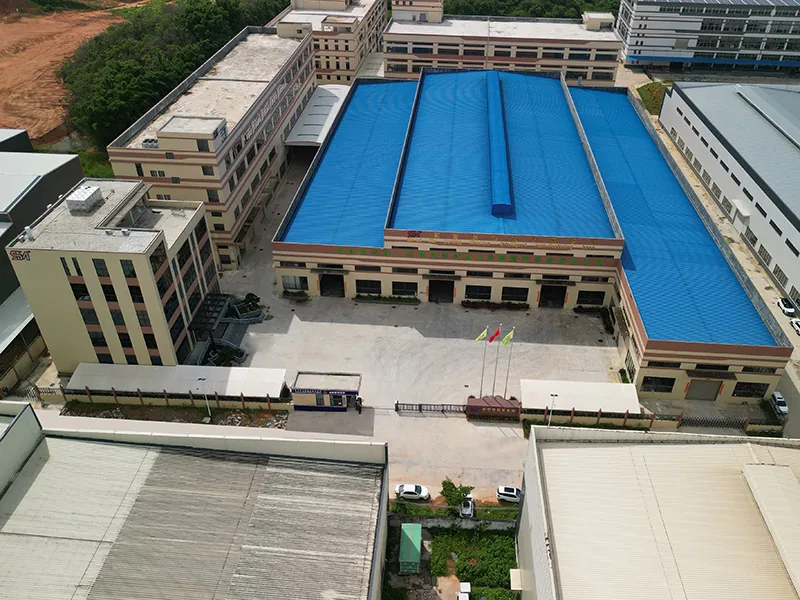
Workshop and equipment staging

See How Machines Are Assembled, Staged, and Prepared for Dispatch

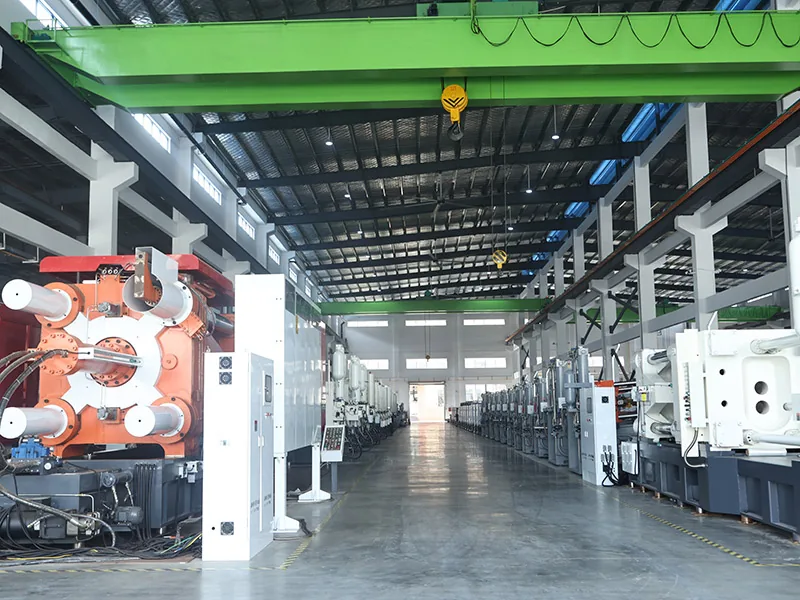
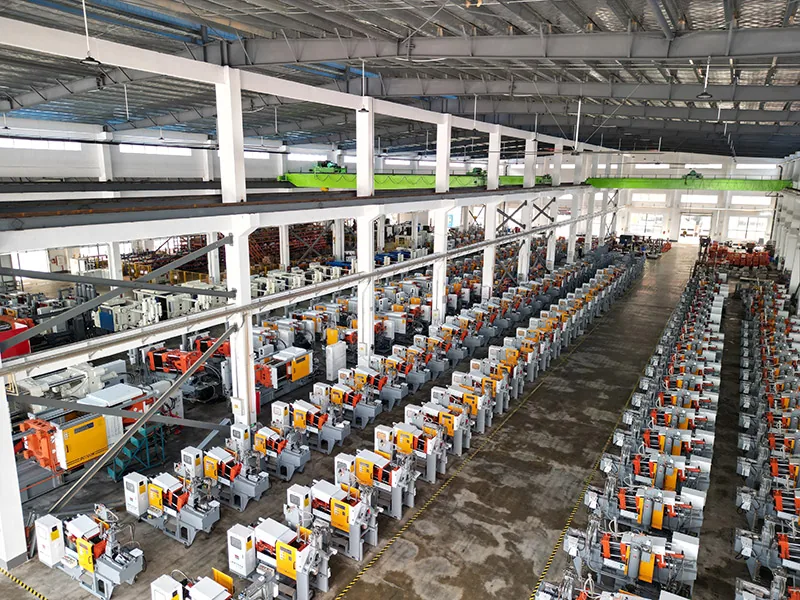
Factory images help purchasing teams review the working environment, equipment staging, and handling space behind a quotation. They do not mean that every pictured machine is available from stock.

01

Assembly visibility

Review the workshop arrangement, machine access, and lifting conditions shown in current production-floor media.

02

Equipment staging

See how completed or in-process equipment is arranged before packing and dispatch preparation.

03

Pre-dispatch confirmation

Request updated photos or video for the agreed production stage, packing arrangement, and equipment readiness before shipment.

Tell us the model range, destination, and inspection information your team needs. The response can include the available project evidence and dispatch scope relevant to your inquiry.

Request Project and Dispatch Details

Machine lifecycle planning

Match Operating Spares to the Selected Cold Chamber Configuration

A machine quotation and a spare-parts plan should use the same model, shot package, plunger diameter, peripheral scope, and maintenance assumptions.

Build the replacement-parts file with the machine order.

Review plunger tips and rods, shot sleeves, couplings, sprayer and ladler components, lubricants, drawings, inspection evidence, and recommended quantities against the final supplied configuration.

Browse Cold Chamber Spare Parts

Frequently asked questions

Cold Chamber Die Casting Machine FAQ

Short answers for engineering and purchasing teams comparing aluminum die casting machines, specifications, selection data, automation, and quotation scope.

What is a cold chamber die casting machine?

A cold chamber die casting machine receives a measured dose of molten metal in a separate shot sleeve for each cycle. A plunger then drives the alloy into the die at high pressure. This process is commonly selected for aluminum and magnesium alloys because the injection system is not continuously immersed in the molten metal.

Which machine is normally used for aluminum die casting?

Aluminum parts are normally produced on a cold chamber die casting machine. The correct model depends on projected area, casting and runner weight, die dimensions, cavity count, required injection performance, target output, and the peripherals included in the production cell.

How do I select the required clamping force?

Clamping force is screened from the total projected area multiplied by the expected cavity pressure, with an appropriate operating margin. Part weight alone is not enough. Share the part drawing, alloy, cavities, runner layout, die size, and pressure assumptions so the tonnage range can be reviewed.

What specifications should I compare between cold chamber machines?

Compare clamping force, tie-bar spacing, platen size, die thickness range, injection force, injection stroke, available shot packages, aluminum shot weight, motor configuration, machine dimensions, controls, and automation interfaces. Confirm that the quoted values refer to the same shot-end configuration.

What affects cold chamber die casting machine price?

Price changes with machine size, shot-end configuration, control and hydraulic package, electrical standard, furnace, ladler, sprayer, extractor, trim equipment, cooling, safety guarding, testing, documentation, packing, shipping scope, and destination. A useful comparison requires the same technical scope from each supplier.

Can you quote an automatic die casting cell?

The quotation can include a cold chamber machine plus requested peripherals such as a holding furnace, ladler, sprayer, extractor, release-agent system, conveyor, trim press, cooling equipment, and guarding. Each included and excluded item should be confirmed in the final scope.

What information should I send for machine selection?

Send the alloy, part drawing, casting and runner weight, projected area if known, cavity count, die dimensions and weight, target cycle or annual output, voltage, destination, available utilities, and required automation. If some data is missing, identify it clearly rather than estimating it silently.

Request machine selection and quotation

Send Your Casting and Die Data

For the fastest useful shortlist, upload the part drawing and provide the alloy, casting plus runner weight, projected area if known, cavity count, die dimensions, target output, voltage, destination, and required automation.

If the die has not been designed, send the available part information and mark the missing data. The initial response can identify what must be confirmed before a model or price is finalized.

  • Model range screened against the available data
  • Machine-only or complete-cell scope
  • Drawings and project files accepted in the form
  • Unknown inputs identified for follow-up
Get a Quote WhatsApp