Machine portfolio / Buyer decision hub

Die Casting Machines for Aluminum, Magnesium & Zinc

Quick answer: start with cold chamber machines for most aluminum and magnesium programs, and hot chamber machines for suitable zinc programs. Select the exact model only after clamp demand, complete shot, die fit, injection duty, production-cell scope, and plant conditions pass together.

16
published models
38–3000
ton range
2
process routes
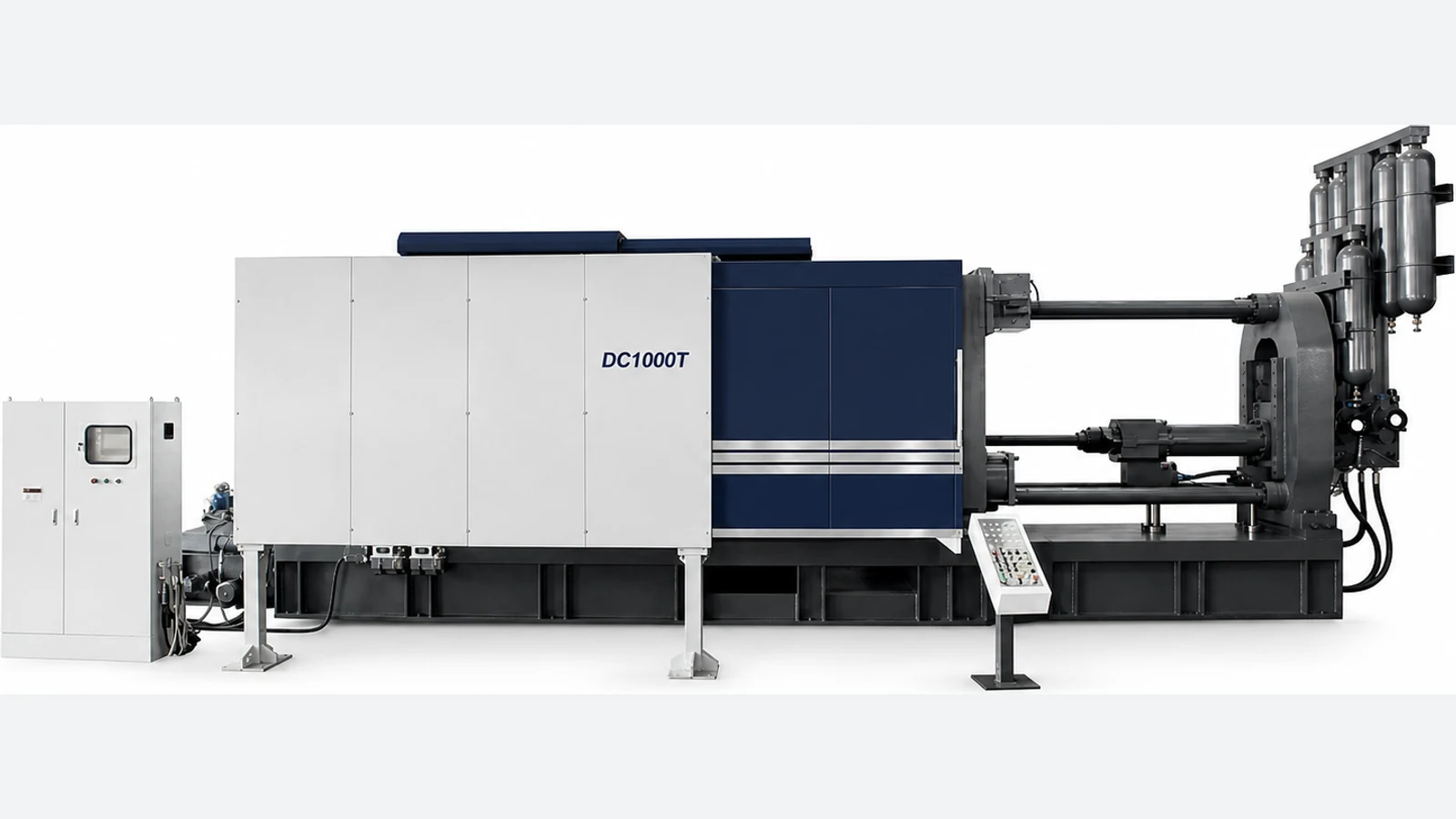
COLD / AL + MGDC1000T aluminum cold chamber die casting machine
DC SERIES180–3000 ton published range
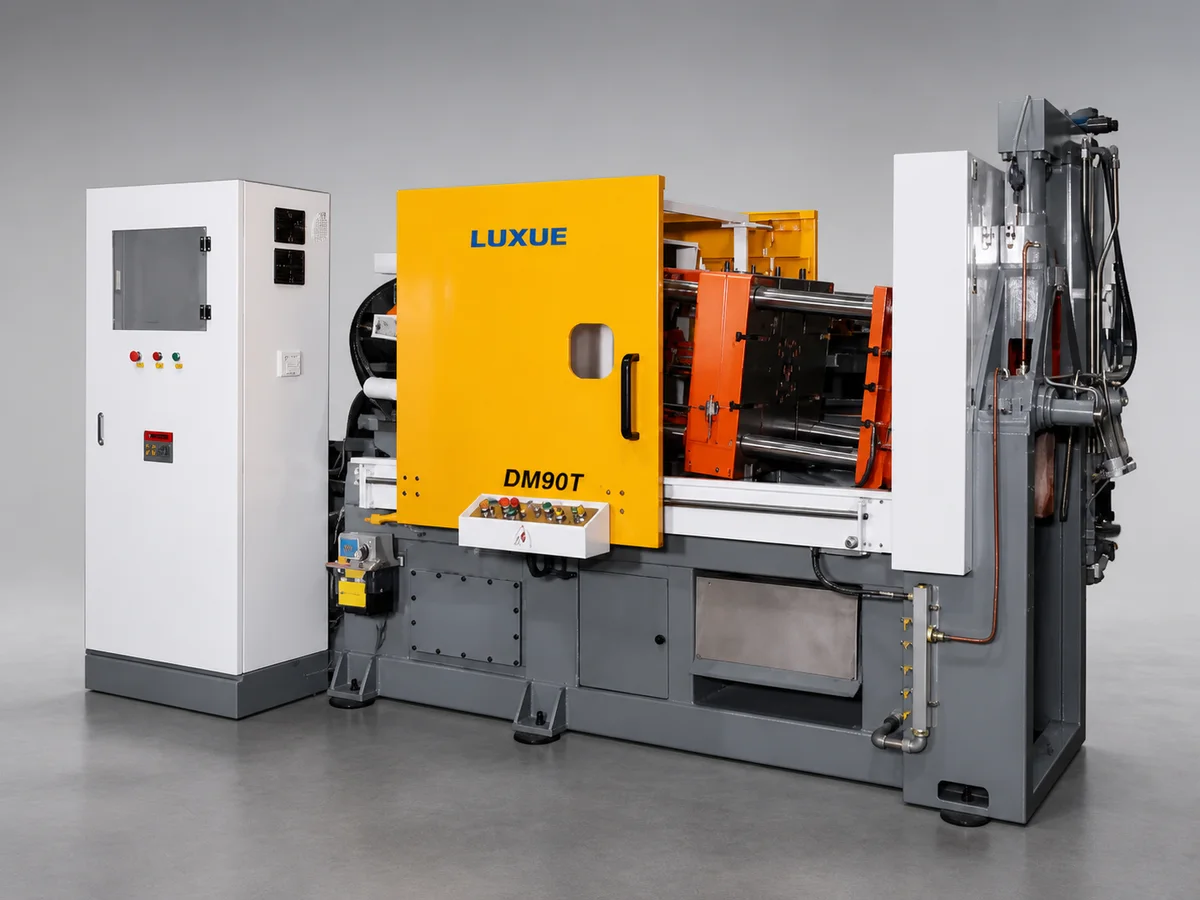
HOT / ZINCDM90T zinc hot chamber die casting machine
DM SERIES38–168 ton published range

Decision 01 / Alloy and metal delivery

Choose the process family before comparing tonnage

A chamber type is not a styling choice. It changes how metal reaches the shot system, which alloys can be evaluated, the furnace and dosing boundary, cycle behavior, maintenance exposure, and the machine families available for screening.

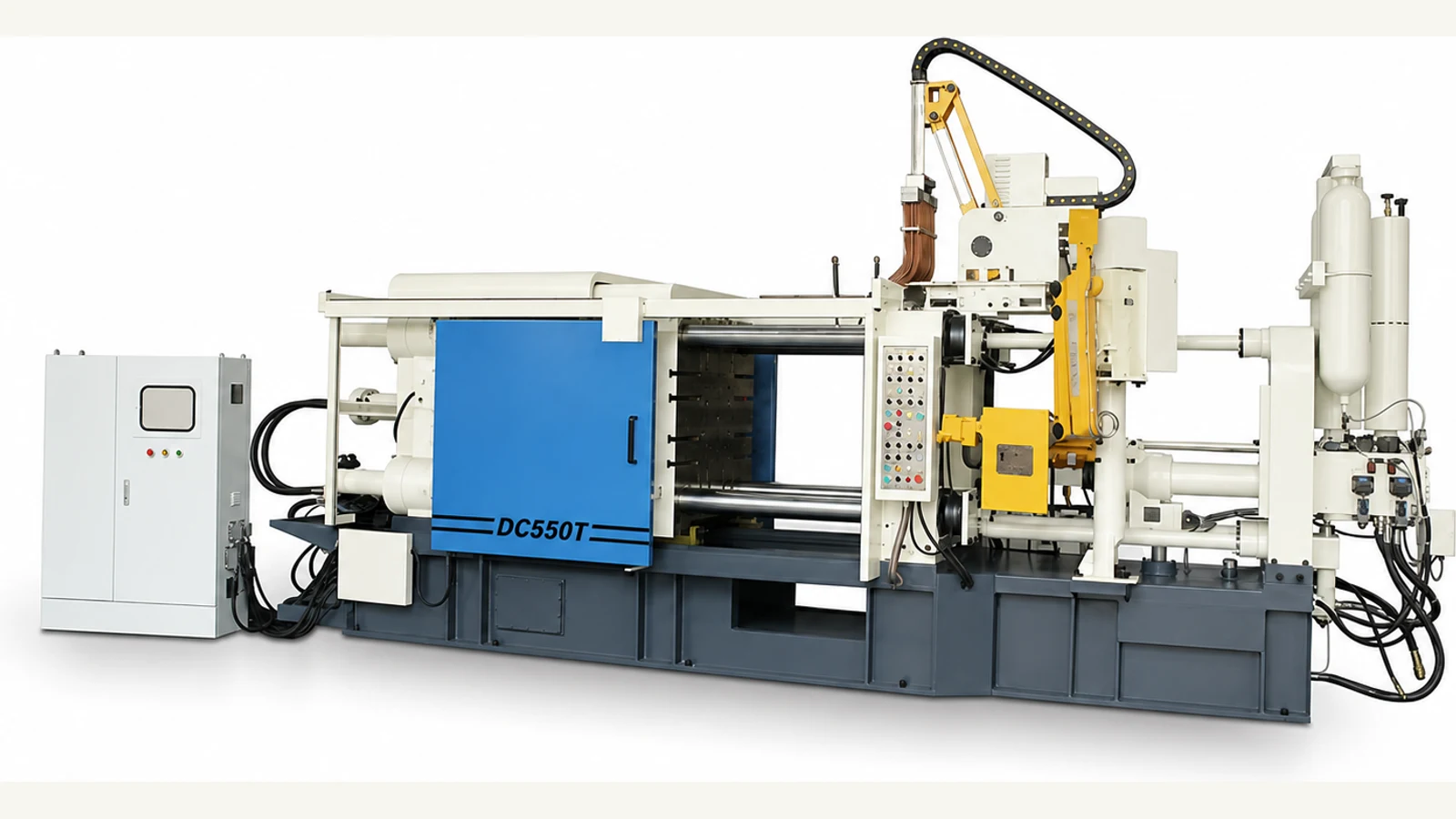
DC550T cold chamber aluminum die casting machine reference
ROUTE 01 / SEPARATE METAL CHARGE

Cold Chamber Die Casting Machines

Screen the DC series for aluminum and magnesium programs after confirming the actual alloy and melt route. Each project must still pass clamp demand, the selected shot package, die movement, injection performance, automation, and plant limits.

Published range
DC180T–DC3000T
Clamping force
1,800–30,000 kN
Primary alloy route
Aluminum / magnesium
Listed models
11
  • Separate furnace, ladling, or dosing scope
  • Multiple shot packages on listed models
  • Compact through heavy production-cell projects
Explore the cold chamber range
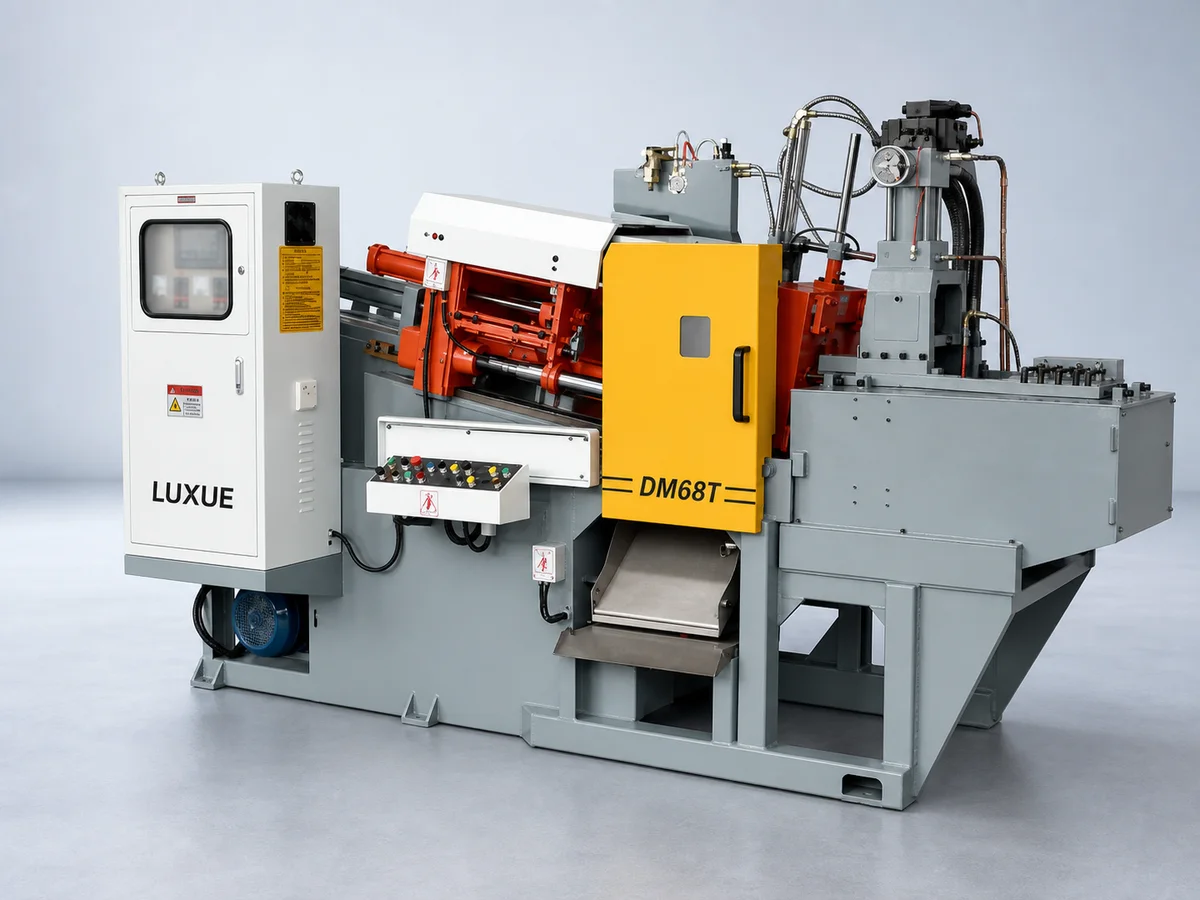
DM68T hot chamber zinc die casting machine reference
ROUTE 02 / IMMERSED INJECTION PATH

Hot Chamber Die Casting Machines

Screen the DM series for suitable zinc programs after confirming alloy, projected area, complete shot, die envelope, hot-end arrangement, temperature control, cycle target, extraction, and finishing requirements.

Published range
DM38T–DM168T
Clamping force
380–1,680 kN
Primary alloy route
Zinc alloys
Listed models
5
  • Integrated furnace and hot-end decision
  • Compact repeat-production range
  • Shot, die, heater, nozzle, and spares interfaces
Explore the hot chamber range

Selection boundary: the chamber guidance above is an initial process screen, not a material approval. Confirm the alloy specification and process conditions with the responsible material, die, and process teams before purchasing equipment. Review the NADCA process guidance and alloy-selection factors, then read the cold chamber vs hot chamber buyer guide for the purchasing workflow.

Decision 02 / Published model map

Use tonnage to navigate—then verify the complete machine window

These values support initial comparison only. Open each product page for the listed technical table and request written confirmation of the final configuration, revision, controls, shot end, options, and supply scope.

DC / COLD CHAMBER

Aluminum & magnesium model range

Open collection page
ModelClampTie-bar spacingMold thicknessPublished aluminum shot packages
DC180T1,800 kN486 x 486 mm200-520 mm0.6 / 0.9 / 1.3 kg (Al)View
DC238T2,380 kN530 x 530 mm200-670 mm1.42 / 2.2 / 2.8 kg (Al)View
DC300T3,000 kN580 x 580 mm250-700 mm1.57 / 2.2 / 3.0 kg (Al)View
DC400T4,000 kN700 x 700 mm250-700 mm3.0 / 4.1 / 5.1 kg (Al)View
DC550T5,500 kN780 x 780 mm350-850 mm4.3 / 5.6 / 7.0 kg (Al)View
DC880T8,800 kN960 x 960 mm400-950 mm9.1 / 11.2 / 12 kg (Al)View
DC1000T10,000 kN1030 x 1030 mm450-1150 mm10 / 12.5 / 15 / 18 kg (Al)View
DC1300T13,000 kN1100 x 1100 mm450-1200 mm13-36 kg (Al)View
DC2000T20,000 kN1350 x 1350 mm600-1600 mm22-39 kg (Al)View
DC2500T25,000 kN1500 x 1500 mm700-1800 mm30-55 kg (Al)View
DC3000T30,000 kN1650 x 1650 mm850-2000 mm35-60 kg (Al)View
DM / HOT CHAMBER

Zinc model range

Open collection page
ModelClampTie-bar spacingMold thicknessPublished zinc shot packages
DM38T380 kN300 x 280 mm120-300 mm0.7 kg (Zn)View
DM50T500 kN300 x 300 mm120-330 mm0.9 kg (Zn)View
DM68T680 kN360 x 320 mm120-330 mm0.9 kg (Zn)View
DM90T900 kN400 x 400 mm130-430 mm1.0 / 1.26 / 1.53 kg (Zn)View
DM168T1,680 kN486 x 486 mm200-520 mm2.1 / 2.4 / 2.86 kg (Zn)View

Do not approve a machine from this table alone. Clamp capacity, complete shot, die fit, injection duty, hot-end or dosing configuration, production output, automation, utilities, safety, and acceptance requirements are independent gates. Published dimensions and capacities require project-specific written confirmation.

Decision 03 / Engineering release gates

Do not start with “Which tonnage should I buy?”

Start with the evidence that can disqualify a model. The correct shortlist is the smallest defensible machine window that clears every applicable boundary with a recorded assumption, margin, owner, and acceptance method.

Use the complete machine RFQ checklist
01

Alloy and process route

Confirm the actual alloy specification, melt condition, metal-delivery method, temperature window, finish, and product requirements before choosing cold or hot chamber.

02

Clamp demand

Calculate total projected area against an approved cavity-pressure basis and documented operating margin. Nominal part size is not enough.

03

Complete shot

Check casting, runner, overflow, biscuit, and process allowance against the exact plunger or shot-end package—not a headline capacity alone.

04

Die fit and movement

Verify tie-bar spacing, platen, die thickness, opening, ejector stroke, core pulls, weight, lifting, service access, and changeover route.

05

Production cell

Define furnace or dosing, spray, extraction, cooling, trim, inspection, guarding, automation, recipes, data, and recovery as one operating system.

06

Plant and acceptance

Freeze voltage, utilities, foundation, route, local safety requirements, documentation, FAT, installation, training, spares, and service responsibility.

Decision 04 / Commercial boundary

A base machine is not a complete production system

A comparable quotation follows the same material path—from molten metal to accepted part—and names the owner of every interface. Separate required equipment, options, buyer-supplied items, exclusions, future provisions, and site work.

  1. 01
    Metal

    Melting or holding, transfer, dosing or ladling, temperature, treatment, loss, and safe recovery.

  2. 02
    Machine & die

    Clamp, shot end or hot end, controls, hydraulics, die services, cooling, vacuum, cores, and recipes.

  3. 03
    Handling

    Spray, extraction, robot, gripper, quench, conveyor, trim, scrap, interlocks, and fault recovery.

  4. 04
    Quality & data

    Inspection, leak test, marking, traceability, parameters, alarms, reports, sample approval, and rejection.

  5. 05
    Plant release

    Safety, route, foundation, utilities, documents, FAT, SAT, training, spares, installation, and warranty.

Decision 05 / Configuration request

Send one controlled project file—not a tonnage guess

When the same approved input is sent to every supplier, quotations become easier to compare and hidden assumptions surface earlier. If a value is unknown, mark it as unknown and ask for the supplier’s calculation basis.

Useful response target Model-fit decision, exact shot package, preliminary cell boundary, open assumptions, required evidence, options, exclusions, and next technical actions.
RFQ INPUT REGISTERREV / PROJECT-SPECIFIC
  1. 01

    Casting Drawing, alloy, projected area, cavities, net weight, complete shot, and critical requirements.

  2. 02

    Die Size, thickness, weight, mounting, opening, ejection, cores, cooling, vacuum, and handling.

  3. 03

    Process Pressure basis, fill requirement, temperature control, recipes, traceability, inspection, and scrap plan.

  4. 04

    Output Cycle target, annual volume, shifts, OEE basis, changeover, product mix, and expansion needs.

  5. 05

    Cell Furnace, dosing, spray, extraction, cooling, trim, inspection, guarding, automation, and data.

  6. 06

    Plant Layout, route, crane, floor, foundation, voltage, water, air, exhaust, network, and local rules.

  7. 07

    Acceptance FAT and SAT conditions, samples, duration, output, tests, pass criteria, reports, and retest.

  8. 08

    Commercial Quantity, destination, Incoterm, timing, documents, training, spares, service, and warranty.

Die casting machine FAQ

Answers buyers need before requesting a quotation

These answers support initial evaluation. The approved project file, quotation, technical agreement, drawings, and contract must define the final purchase.

Q01What is the difference between cold chamber and hot chamber die casting machines?

Cold chamber machines receive each metal charge from a separate furnace or dosing system and are commonly evaluated for aluminum and magnesium alloys. Hot chamber machines use an injection system immersed in the molten-metal supply and are commonly evaluated for suitable zinc alloys. The actual alloy, temperature, corrosion behavior, casting, die, output, and plant scope must still be confirmed.

Q02How do I select the correct die casting machine tonnage?

Start with the total projected area of the casting, runners, overflows, and slides exposed to cavity pressure. Apply an approved pressure basis and documented operating margin, then verify that the same machine also passes complete shot, die envelope, injection performance, automation, and plant limits. Tonnage alone cannot approve a model.

Q03What information should I send for machine selection?

Send the alloy specification, part and runner drawing, projected area, net and complete shot weight, cavity count, die dimensions and weight, required cycle and annual volume, critical quality requirements, automation scope, destination, voltage, utilities, and applicable standards. Mark estimates separately from verified values.

Q04Does the listed shot weight guarantee that my casting will fit?

No. Published shot weight is an initial reference. The usable result depends on the selected plunger or shot-end package, alloy basis, fill ratio, casting and feed-system demand, process allowance, injection duty, and approved operating window. Clamp demand and die fit require separate checks.

Q05Can Luxue quote a complete automated die casting cell?

A project can be reviewed around the base machine and required peripherals, but the written quotation must identify every included item, interface, buyer-supplied item, option, exclusion, test, document, installation duty, and service boundary. Send the desired process from molten metal to accepted part so the scope can be clarified.

Q06Are the specifications on this page final purchase specifications?

No. The tables summarize the currently published model data for initial screening. The final machine, shot package, controls, component brands, options, dimensions, utilities, safety configuration, documentation, and supply scope require written confirmation for the specific project.

Next decision

Need a defensible machine shortlist?

Send the casting, die, output, cell, and destination information. Luxue can review which published machine family and model window should be investigated—and which assumptions still need proof.

Get a Quote WhatsApp