Cold chamber replacement-parts sourcing

Cold Chamber Die Casting Machine Spare Parts

Identify injection, spray, ladling, lubrication, and foundry-support parts by machine model, measured interface, drawing, or approved sample—before price becomes the only comparison.

  • Drawing-based fit review
  • Twelve sourcing categories
  • Material and interface confirmation
  • Purchase-order evidence checklist

Technical content reviewed August 10, 2026 by Cathy, Director. Final compatibility depends on the approved drawing, sample, or signed specification.

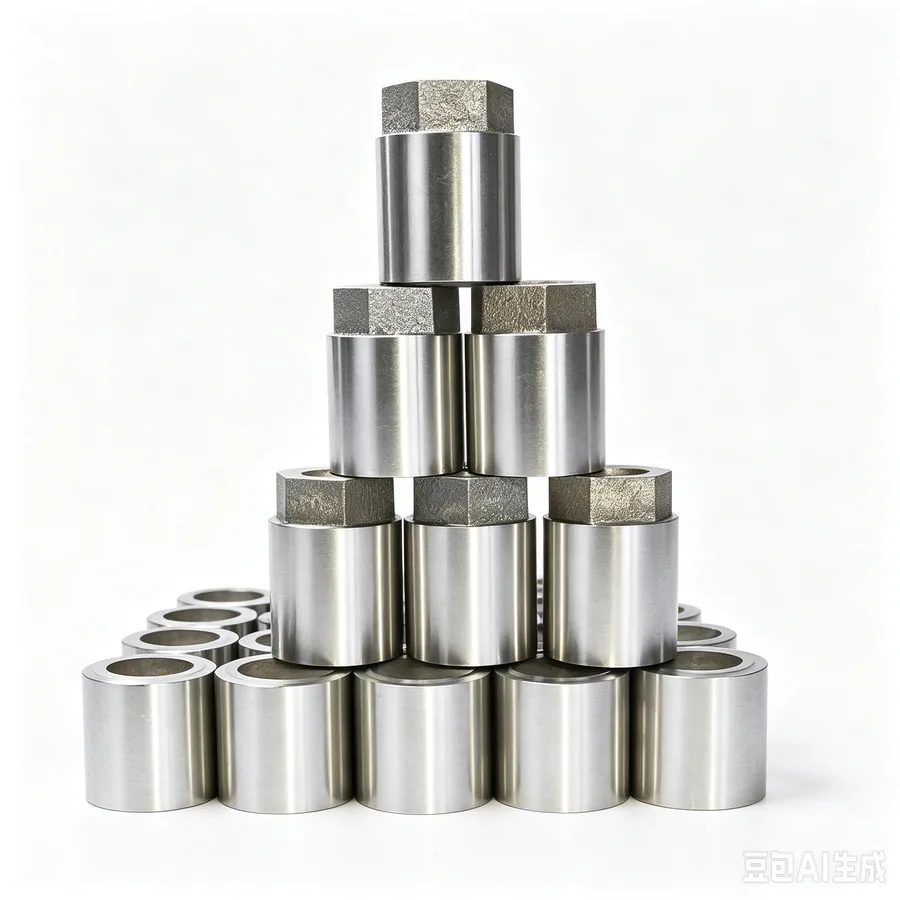
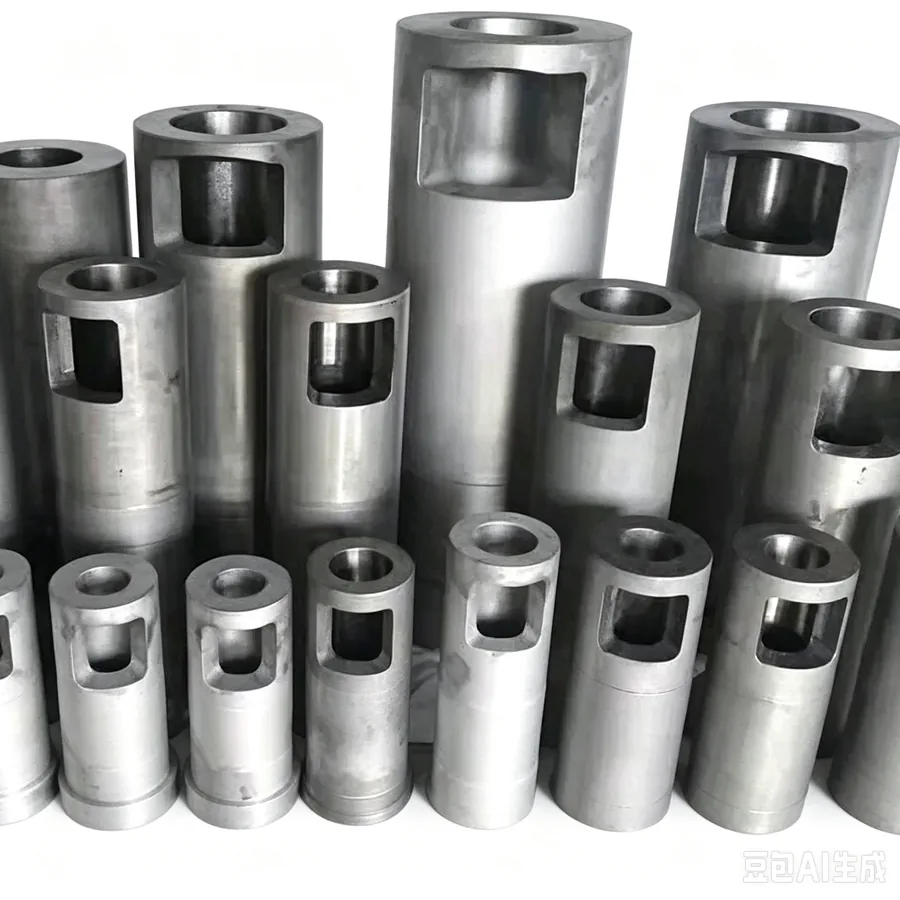
SHOT-END FAMILYCold chamber shot sleeves in multiple sizes
WEAR INTERFACECold chamber plunger tips
12part and consumable categories
4injection-chain categories
5spray and metal-handling categories
3lubrication and foundry-support categories

Direct answer for buyers

What belongs in a cold chamber spare-parts RFQ?

Cold chamber die casting machine spare parts include the wear and interface components that move, contain, lubricate, or deliver the shot—plus selected sprayer, ladler, metal-handling, and foundry-support items. A usable RFQ should not ask only for “a plunger” or “a ladle.” It should connect the part to the exact machine or peripheral, mating geometry, alloy and temperature, required material or consumable type, failure symptom, quantity, and acceptance evidence.

Fastest identification route: send a nameplate photo, installed-part photo, marked dimensions, and any existing drawing in one package.

Complete supplied-material catalog

Choose the part family, then verify the interface

Every category found in the supplied cold chamber material set is included below. The grouping separates direct machine wear parts from peripheral and auxiliary foundry items so you can request the correct scope.

Injection chain Spray and metal handling Lubrication and foundry support
01 / Injection chainMultiple polished cold chamber die casting plunger tips in different diameters

Cold Chamber Plunger Tips

Replace the sliding and sealing interface that drives molten metal through the shot sleeve during each injection cycle.

Confirm before quotation

Tip diameter, overall length, ring or groove layout, cooling design, material, hardness, and operating clearance.

Open the identification guide Request this part
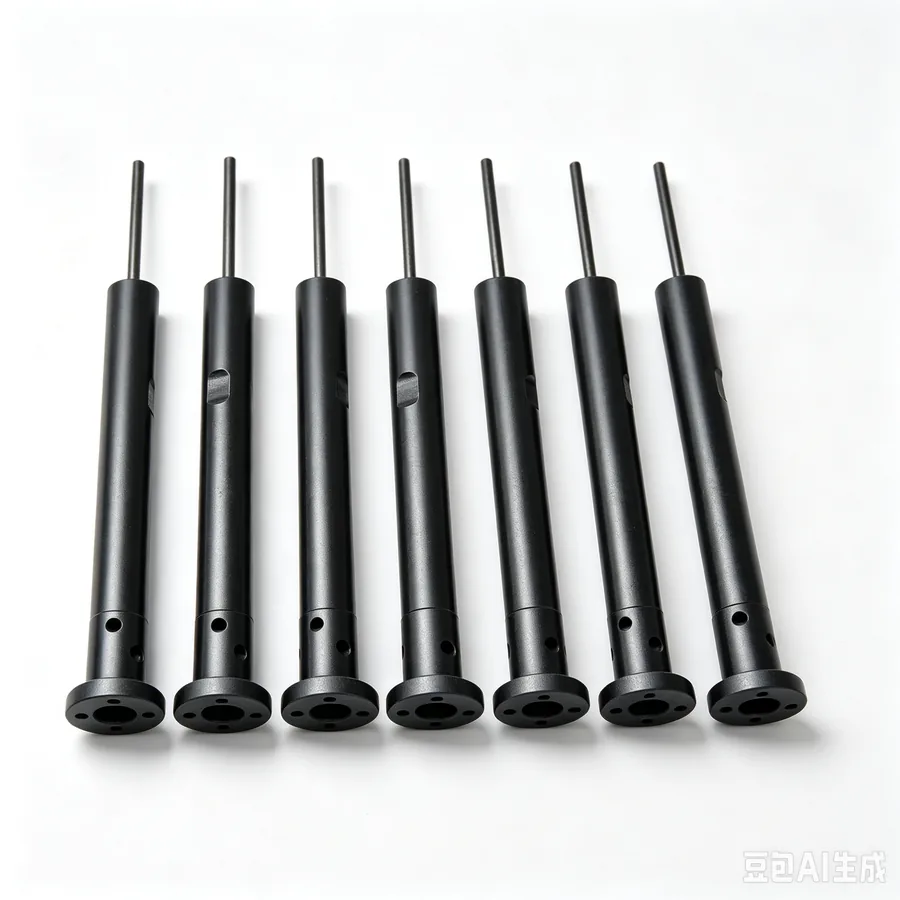
02 / Injection chainCold chamber die casting plunger rods with threaded ends and mounting flanges

Cold Chamber Plunger Rods

Connect the injection drive to the plunger tip while maintaining alignment through repeated thermal and mechanical loading.

Confirm before quotation

Overall length, rod diameter, both end connections, thread direction and pitch, flange pattern, and tip interface.

Open the identification guide Request this part
03 / Injection chainCold chamber shot sleeves in different diameters and pouring-port configurations

Cold Chamber Shot Sleeves

Define the fill chamber, pouring port, plunger travel, and machine-to-die interface for the complete shot package.

Confirm before quotation

Inside and outside diameters, total length, flange, pouring port, mounting datum, alloy, heat treatment, and drawing tolerances.

Request this part
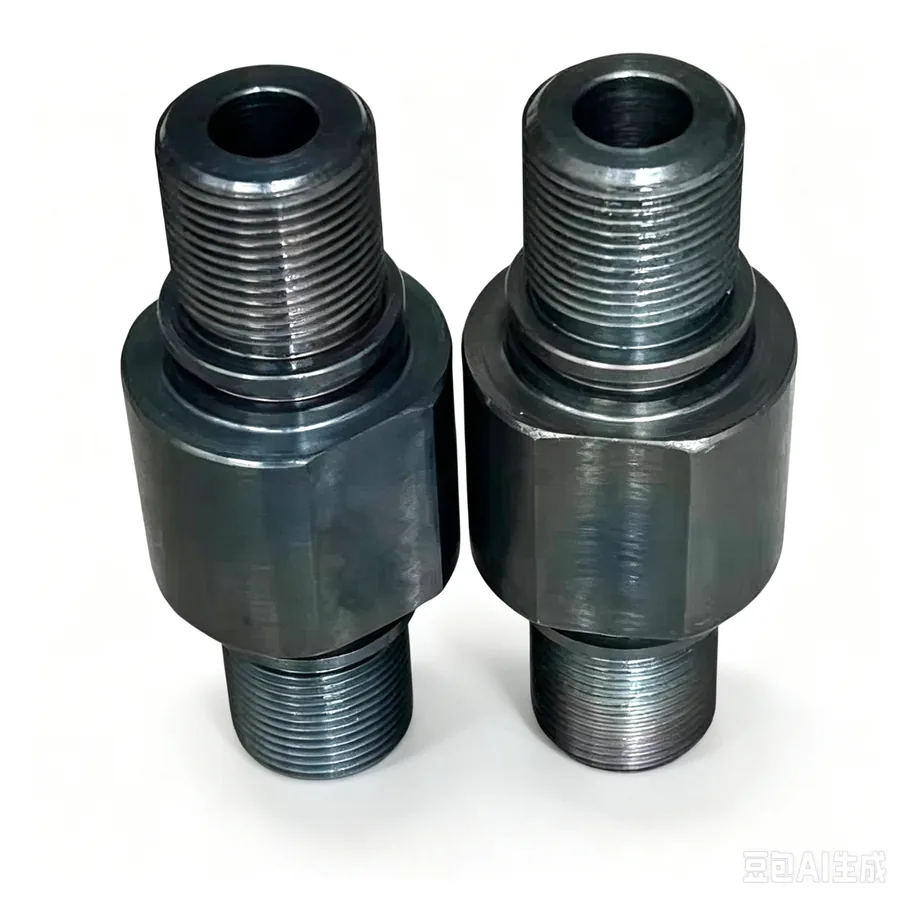
04 / Injection chainThreaded plunger rod couplings and cold chamber injection connectors

Plunger Rod Couplings

Join rods, tips, or actuator interfaces where thread geometry and shoulder locations control alignment and load transfer.

Confirm before quotation

Male and female threads, pitch, engagement length, shoulder datum, spanner flats, material, and mating-part drawing.

Request this part
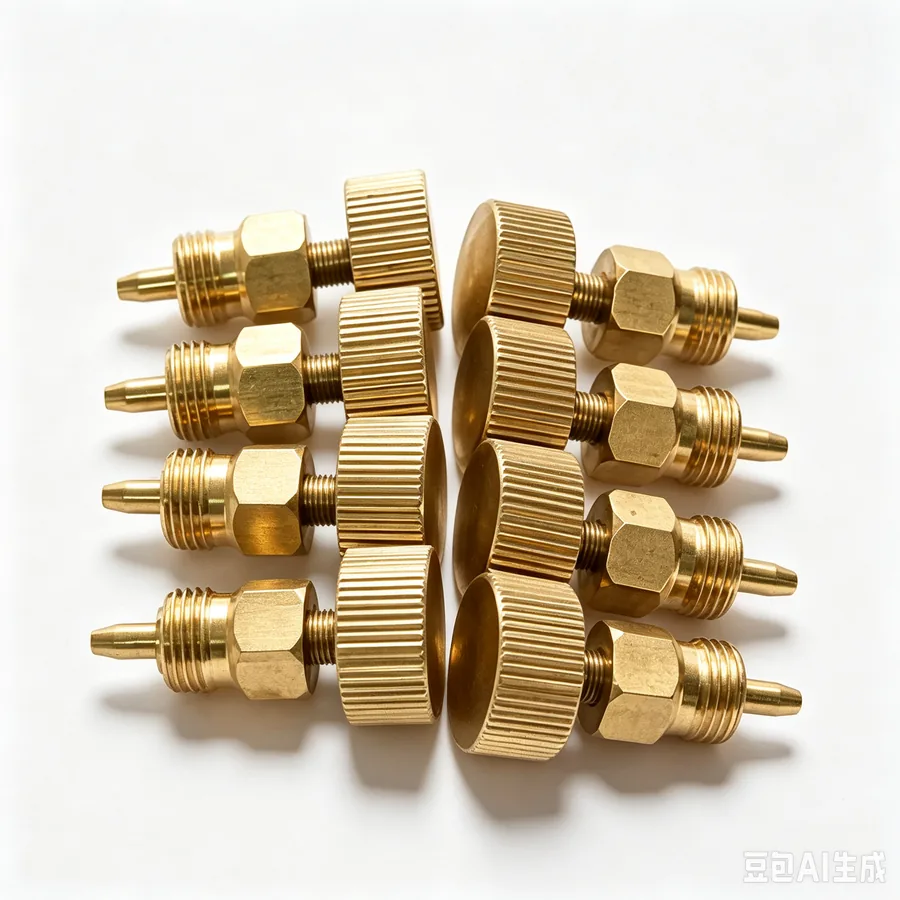
05 / Spray and dosingBrass spray nozzles and adjustable fittings for die casting sprayer equipment

Sprayer Nozzles and Fittings

Meter release agent or air at the die face through replaceable tips, threaded fittings, and adjustable spray interfaces.

Confirm before quotation

Sprayer make, nozzle pattern, thread, orifice, media, pressure, flow target, seal type, and installation position.

Open the identification guide Request this part
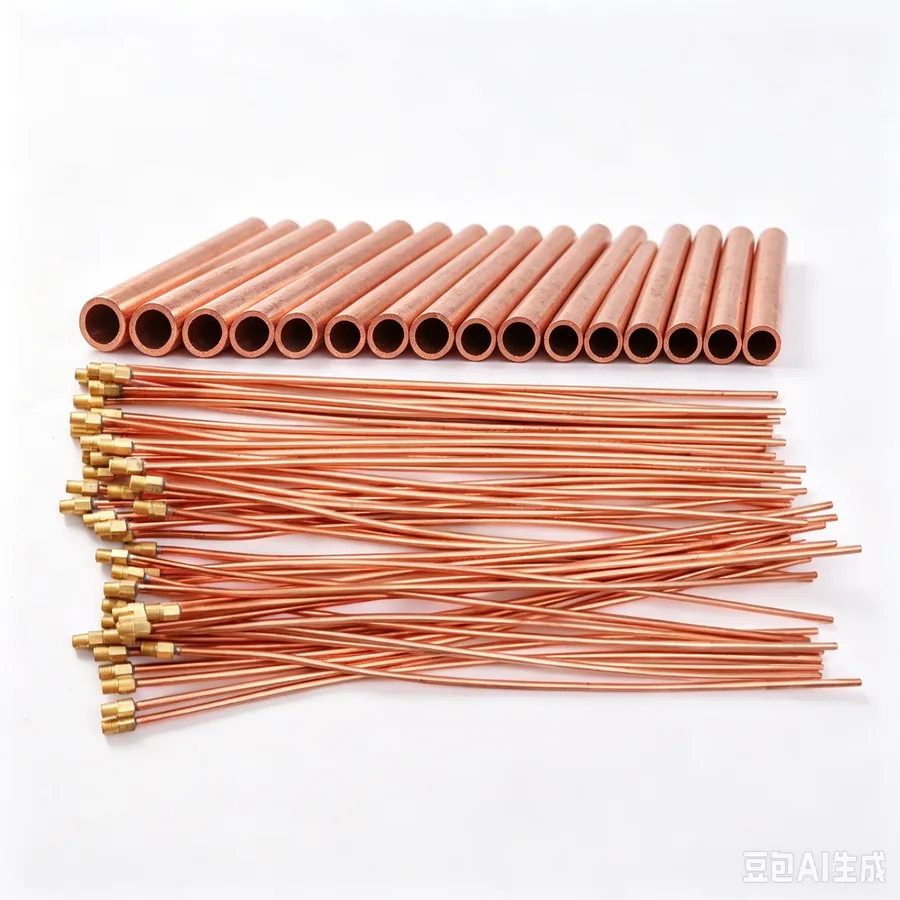
06 / Spray and dosingCopper spray tubes and pipe assemblies for die lubrication equipment

Spray Pipes and Tubes

Route air and release agent from the manifold to repeatable spray positions around the moving and fixed die halves.

Confirm before quotation

Tube diameter, length, bend geometry, end fittings, manifold connection, operating media, pressure, and required quantity.

Open the identification guide Request this part
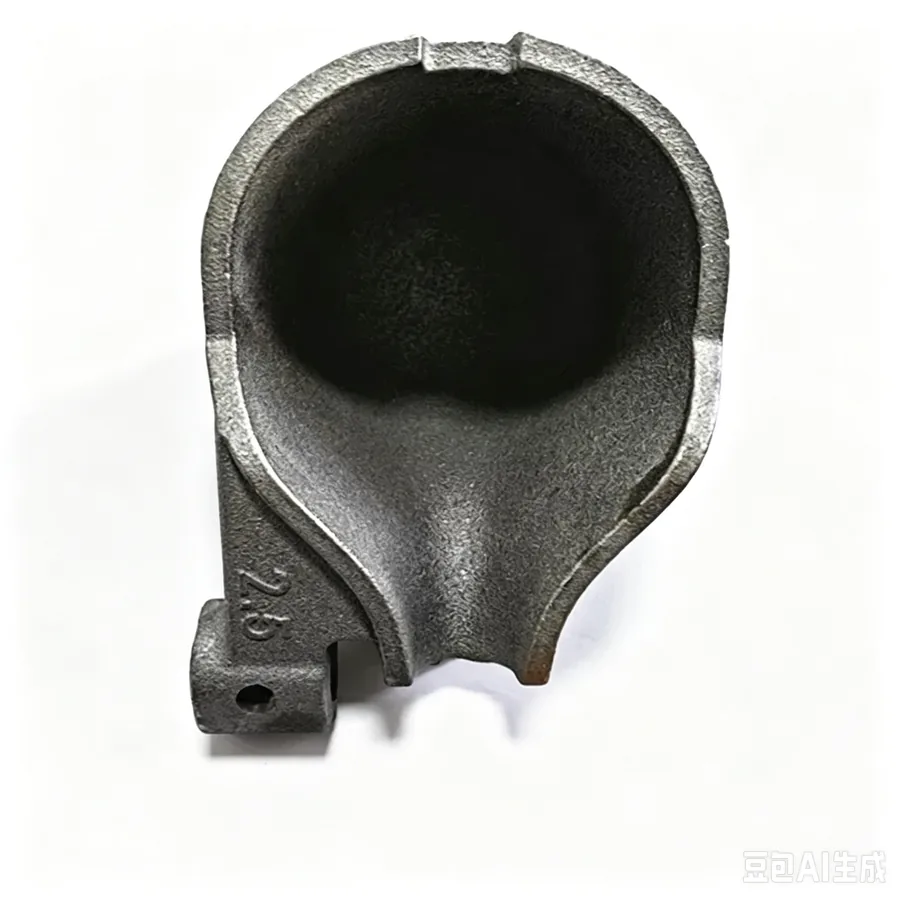
07 / Spray and dosingMetal ladler cup for an automatic cold chamber die casting ladling machine

Automatic Ladler Cups

Transfer a controlled molten-metal dose from the holding furnace to the shot sleeve within the programmed cycle.

Confirm before quotation

Ladler model, cup volume, alloy, mounting hole, arm interface, pouring lip, immersion depth, and operating temperature.

Open the identification guide Request this part
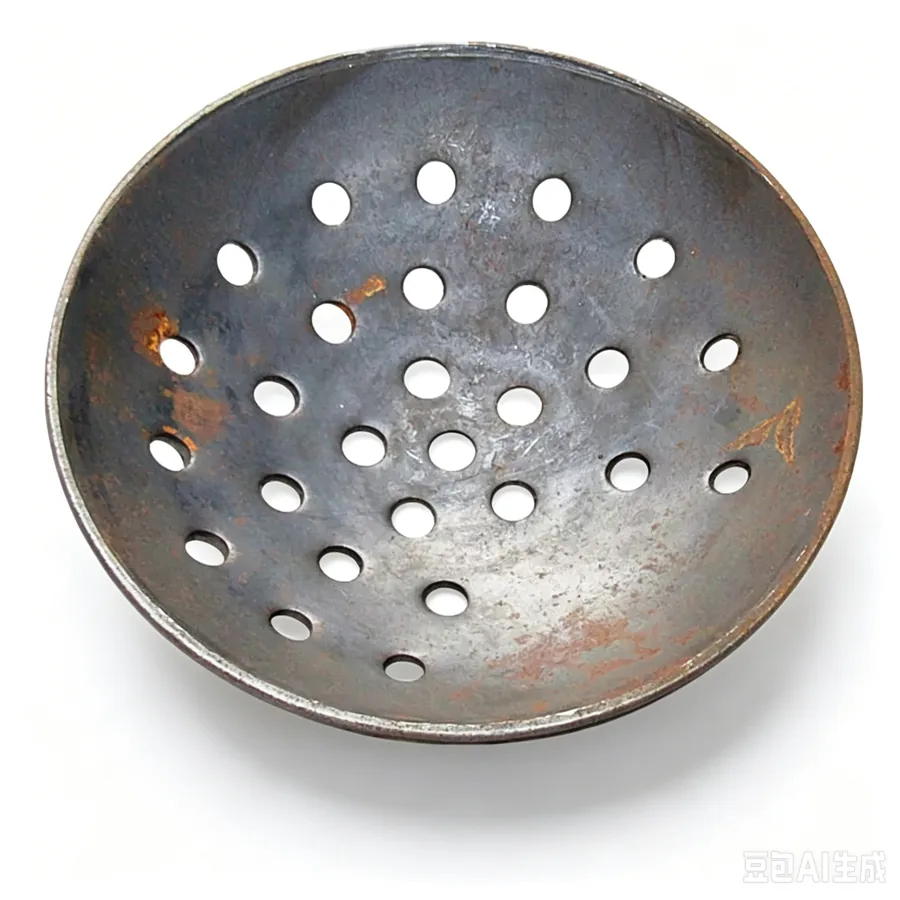
08 / Metal handlingRound perforated dross skimming ladles for molten metal handling

Dross Skimming Ladles

Separate surface dross during furnace housekeeping without treating the tool as a substitute for process-control discipline.

Confirm before quotation

Bowl diameter and depth, perforation size, handle connection, alloy temperature, material, coating, and manual or automated use.

Request this part
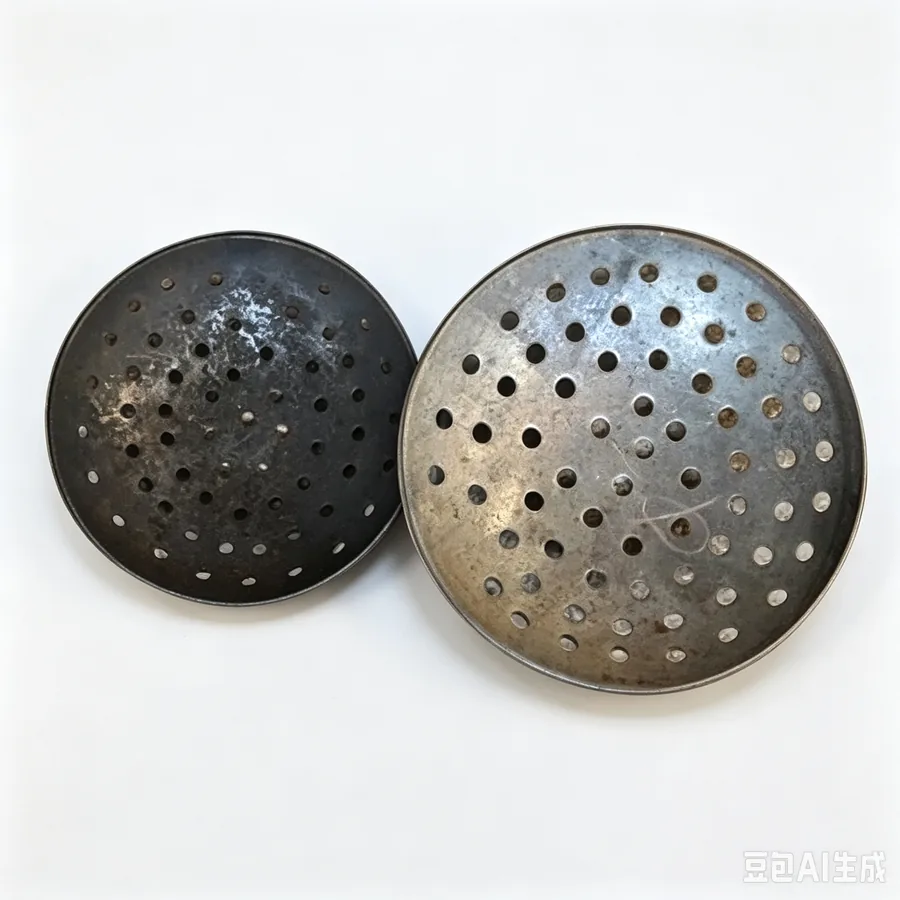
09 / Metal handlingPerforated foundry ladle for molten alloy skimming and handling

Perforated Metal Ladles

Support skimming, sampling, or metal-handling tasks where hole pattern, bowl geometry, and temperature resistance matter.

Confirm before quotation

Intended operation, alloy, working temperature, bowl dimensions, hole pattern, handle interface, coating, and quantity.

Request this part
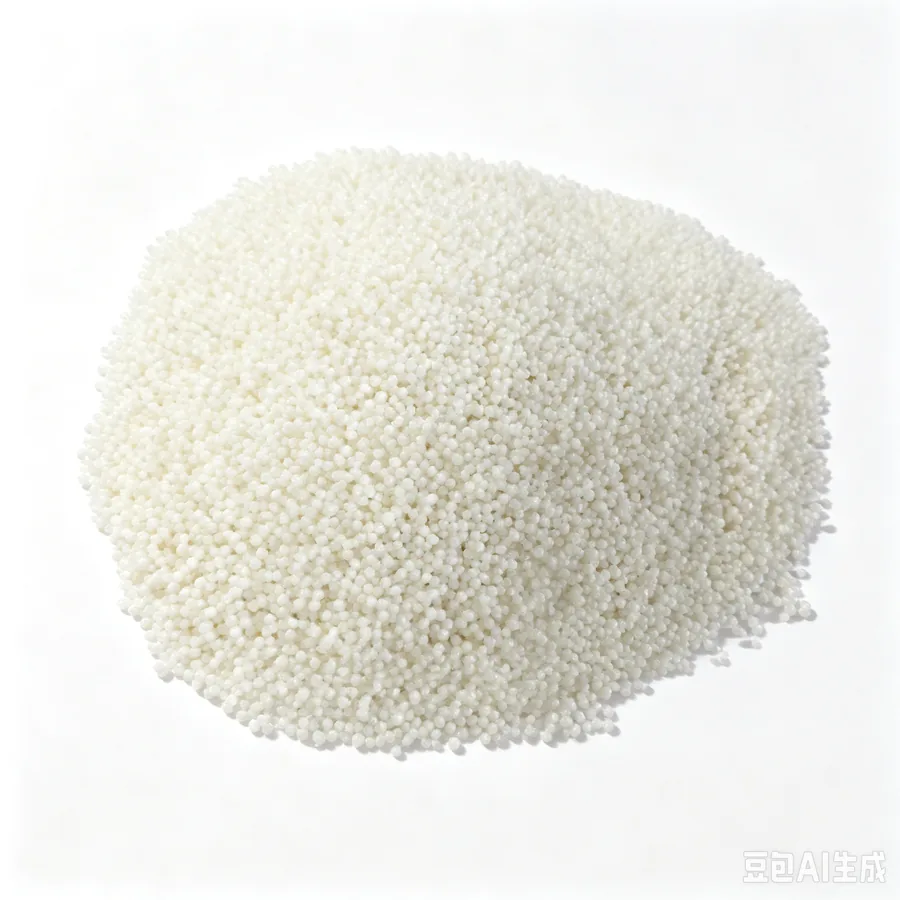
10 / LubricationWhite graphite-free granular plunger lubricant beads for cold chamber die casting

White Plunger Lubricant Beads

Provide metered, graphite-free lubrication between the cold chamber plunger tip and shot sleeve sliding surfaces.

Confirm before quotation

Graphite-free requirement, bead size, dosing method, plunger diameter, alloy, cycle conditions, package size, SDS, and trial criteria.

Request this part
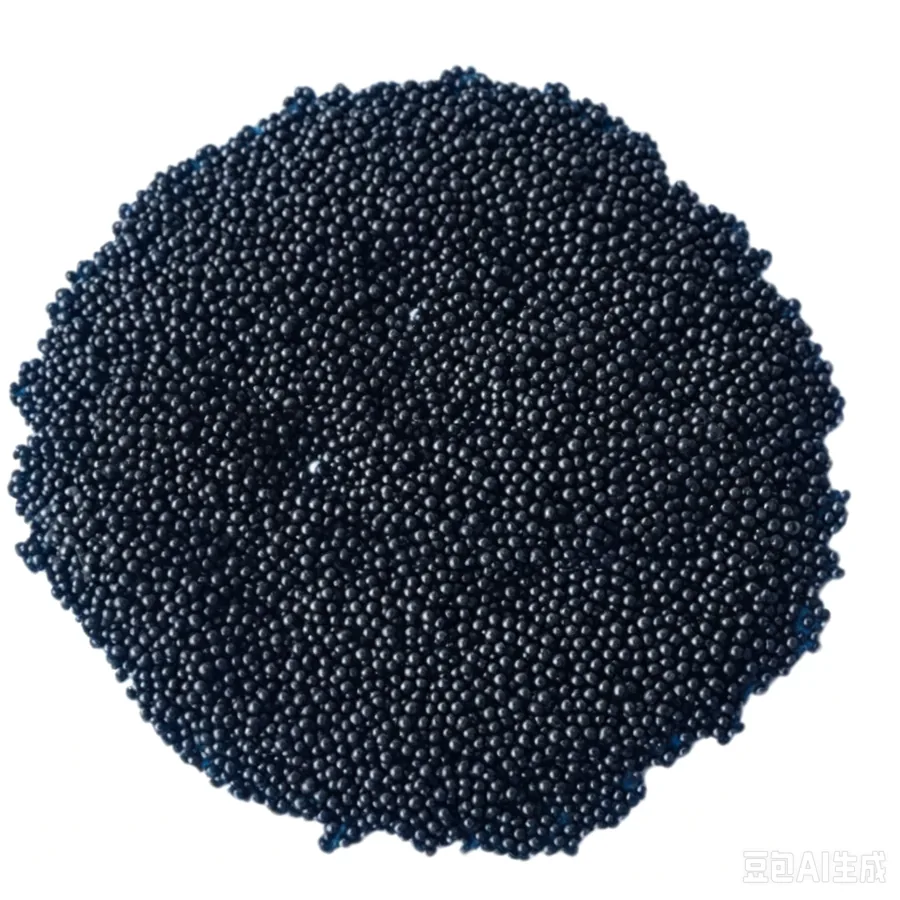
11 / LubricationBlack graphite-containing granular plunger lubricant beads for cold chamber machines

Black Plunger Lubricant Beads

Deliver a graphite-containing bead lubricant where the approved process requires added sliding-film performance at the shot end.

Confirm before quotation

Graphite requirement, bead size, dispenser compatibility, plunger diameter, alloy, dosage basis, package size, SDS, and trial approval.

Request this part
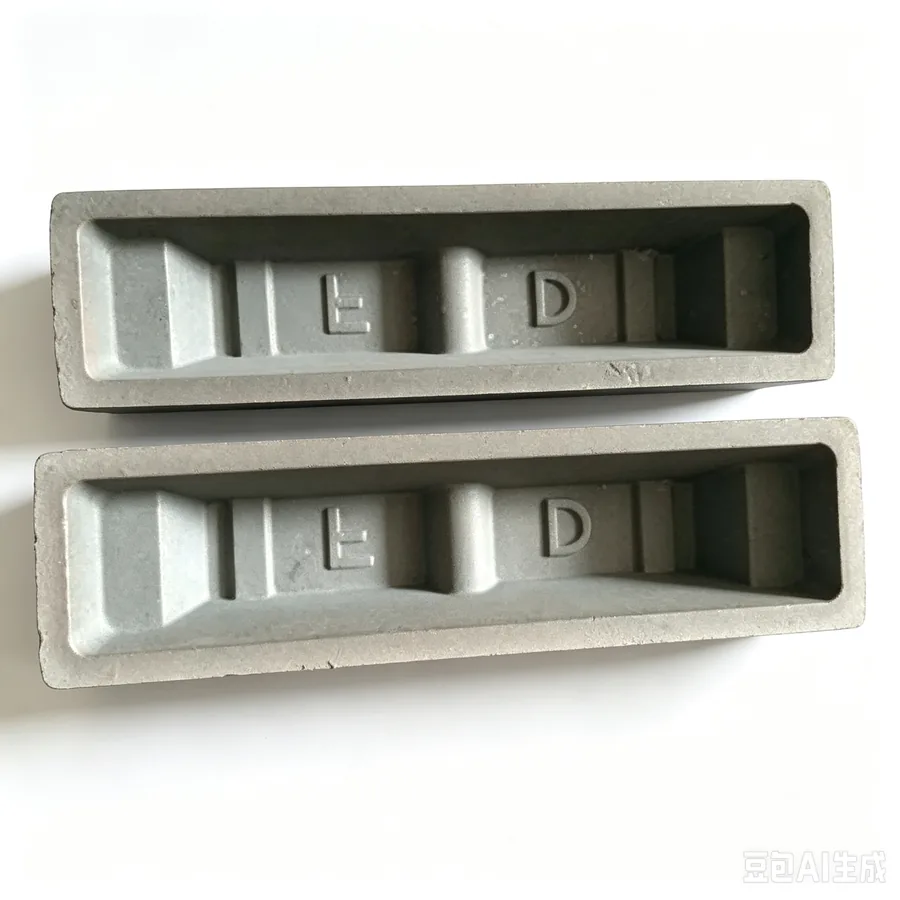
12 / Foundry supportCast metal ingot moulds or zinc troughs for foundry metal handling

Alloy Ingot Moulds and Zinc Troughs

Form or handle alloy ingots as auxiliary foundry tooling; this is not a universal cold chamber machine component.

Confirm before quotation

Alloy and process, cavity volume, overall dimensions, material, pouring temperature, handling method, markings, and drawing.

Request this part

Machine-brand identification

Select the installed brand, then verify the exact interface

Brand selection narrows the likely machine family; it does not release a part for manufacture. Model, build period, shot package, dimensions, drawing, or an approved sample still control compatibility.

Compatibility control

These names identify the machine a requested replacement part is intended to fit. They do not imply affiliation, endorsement, distributorship, or official OEM authorization. Modified machines and peripheral equipment may use different suppliers and interfaces.

Read the compatibility guidance

Six sourcing controls

Reduce wrong-part risk before the order

A professional quotation should make the matching logic visible. These controls turn an image-based request into an auditable purchase decision.

01

Drawing-led matching

Dimensions, interfaces, and approved drawings control fit—not a generic part name.

02

Machine-specific review

Brand, model, serial or build period narrow the applicable configuration.

03

Material confirmation

Alloy, temperature, wear mode, hardness, and lubrication conditions shape the specification.

04

Old-part evidence

Marked photos and samples expose connections that catalog descriptions often miss.

05

Quotation normalization

Every offer should state material, dimensions, tolerances, quantity, exclusions, and evidence.

06

Inspection before release

Critical dimensions and interfaces require an agreed inspection or sample-approval route.

Fit decision / shot-end parts

Do not separate the tip, sleeve, rod, and lubricant decision

The plunger tip slides inside the shot sleeve, the rod transfers injection force, the coupling controls alignment, and the lubricant supports the sliding interface. A dimensional mismatch, unsuitable clearance, incorrect thread, or unapproved lubricant can shift wear and downtime elsewhere in the chain. Compare the complete interface, not four isolated line items.

Match the part to the cold chamber machine range
01 / Measure

Record datums, diameters, length, port geometry, threads, shoulders, travel, and mating components.

02 / Explain

State the alloy, temperature, lubricant, cycle, failure symptom, maintenance history, and required service life.

03 / Approve

Freeze material, heat treatment, hardness, tolerances, inspection points, sample route, and nonconformance handling.

Peripheral-system evidence

Buy the replacement part inside its real motion sequence

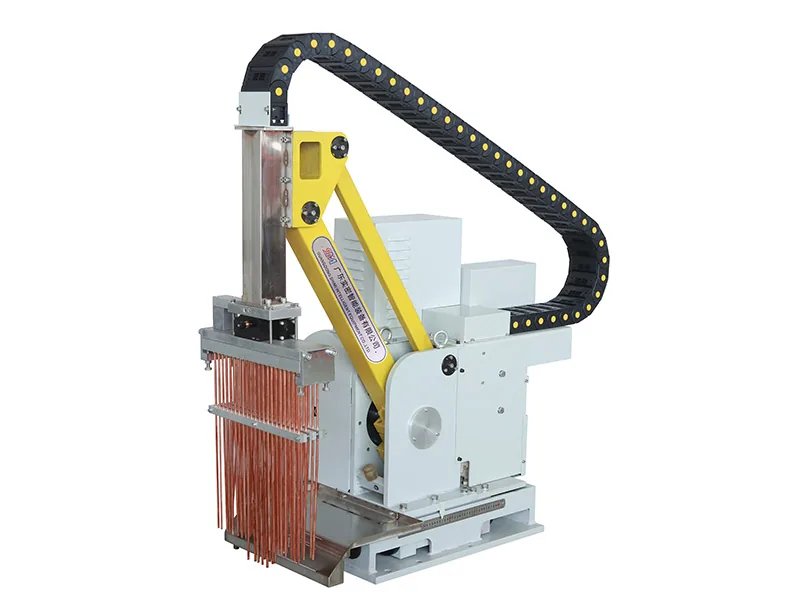
Sprayer and ladler parts depend on the parent equipment, programmed motion, media, volume, reach, and safety interlocks. The images below show the system context behind the smaller components in the catalog.

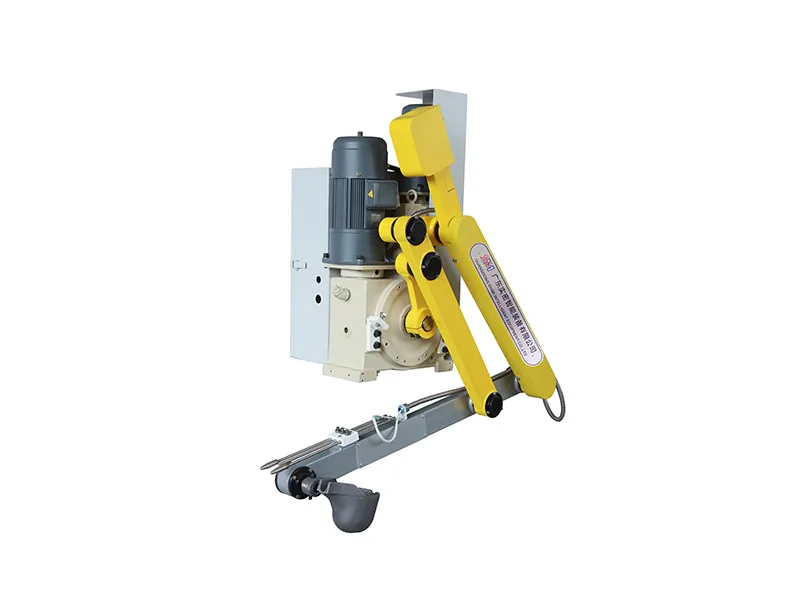
ShiMi five-point linkage automatic ladler reference
AUTOMATIC LADLER CONTEXT

Confirm cup volume and arm interface

The cup must match the ladler arm, dosing requirement, furnace position, immersion depth, pouring path, and programmed cycle—not only the casting weight.

ShiMi automatic die casting sprayer reference
AUTOMATIC SPRAYER CONTEXT

Confirm flow, pattern, and manifold geometry

Nozzles and tubes should be checked against media, pressure, flow, die coverage, bend positions, manifold ports, robot reach, and collision clearance.

System reference images: ShiMi five-point linkage automatic ladler and related peripheral equipment. Images establish parent-system context only; final supplied brands, configuration, and interfaces require written confirmation.

Maintenance-to-purchase matrix

Translate the symptom into evidence—not a guessed diagnosis

Use the table to structure inspection and RFQ data. It does not replace root-cause analysis by your maintenance, process, tooling, and safety teams.

Observed conditionReview togetherEvidence to attachPurchase risk to control
Tip or sleeve wear, leakage, scoringTip, sleeve, rod alignment, clearance, lubrication, alloy temperatureWear photos, measured bore and tip, cycle data, lubricant recordReplacing one component while the paired interface remains out of specification
Unstable spray coverage or blocked nozzleNozzle, pipe, manifold, media, filtration, pressure, timingSpray pattern, port map, thread, flow and pressure dataBuying the right-looking fitting with the wrong flow or connection
Inconsistent ladle dose or spillCup volume, arm mount, probe, furnace level, path, encoder and timingCycle video, cup dimensions, mount photo, target doseChanging the cup without confirming the dosing and motion system
Smoke, deposits, or accelerated shot-end wearWhite or black lubricant type, dosage, dispenser, tip/sleeve conditionSDS, product label, dose per shot, diameter, process observationsSwitching chemistry or dosage without a controlled production trial

Do not infer root cause from one symptom. Approve corrective action only after machine, tooling, process, material, and maintenance evidence are reviewed together.

Specification and authority

Use published data to define the interface question

Published cold chamber machine records show that plunger diameter, launch distance, shot-chamber flange, shot capacity, and pressure package vary by machine model. That is why a spare-parts inquiry should identify the machine and exact shot package before a tip, sleeve, rod, or coupling is released.

For lubricant beads, confirm whether your approved process needs a graphite-free white type or graphite-containing black type, then validate particle size, dosing, SDS, storage, and trial criteria. Lubrication supports the tip-to-sleeve sliding interface; it does not correct an incorrect mechanical fit.

Quotation normalization

Compare suppliers on the same controlled scope

A lower unit price is not comparable when material, tolerances, inspection, packing, or sample approval are missing. Request one response against the same evidence package.

Identity and revision

Machine, peripheral, part location, drawing number, revision, old-part reference, and any approved deviation.

Technical specification

Material, heat treatment, hardness, coating, critical dimensions, tolerances, threads, ports, and operating conditions.

Commercial boundary

Quantity, unit, lead time, Incoterm, packing, marking, documentation, spares, exclusions, and validity.

Acceptance route

Inspection report, material evidence, first article, sample approval, fit trial, nonconformance, and replacement responsibility.

Cold chamber spare-parts FAQ

Answers before you release the RFQ

These answers define a safer purchasing process. Project-specific dimensions, materials, interfaces, and acceptance terms still require written approval.

Q01Which cold chamber die casting machine spare parts can you review?

The page covers plunger tips, plunger rods, shot sleeves, rod couplings, sprayer nozzles and pipes, automatic ladler cups, skimming and perforated ladles, white and black plunger lubricant beads, and auxiliary ingot moulds. Supply depends on the submitted dimensions, material, machine interface, quantity, and acceptance requirements; the list is a sourcing scope, not a promise that every configuration is interchangeable or immediately available.

Q02What information is required to quote a cold chamber plunger tip or shot sleeve?

Send the machine brand and exact model, plunger or sleeve diameter, overall length, flange and pouring-port geometry, connection details, cooling design, material or hardness requirement, quantity, and clear marked photos. A dimensional drawing or approved old-part sample is strongly preferred. Also state the casting alloy, operating temperature, lubricant method, failure symptom, and whether matching must follow an existing paired tip-and-sleeve set.

Q03Can a part be matched only from the die casting machine model?

The model is a useful starting point but is rarely sufficient for a final release. Machines with the same nominal model can have different build years, shot packages, optional peripherals, supplier revisions, or locally modified interfaces. Use the model to narrow the search, then confirm critical dimensions, threads, ports, material, and mating components against a drawing, marked photographs, or an agreed sample before manufacturing or dispatch.

Q04How should white and black cold chamber plunger lubricant beads be selected?

First confirm whether the approved process requires a graphite-free white bead or a graphite-containing black bead. Then verify bead size, dosing equipment, plunger diameter, alloy, cycle conditions, desired dosage, package size, storage, SDS documentation, and trial acceptance. Lubricant selection should be validated with your process and EHS teams because excess, insufficient, or incompatible lubricant can affect housekeeping, wear, gas generation, and casting quality.

Q05Do sprayer and automatic ladler parts fit every peripheral machine?

No. Sprayer nozzles, copper pipes, ladler cups, probes, and connectors vary by peripheral brand, arm design, thread, flow requirement, dosing volume, operating position, and control sequence. Send the peripheral model and nameplate, an overall machine photo, the installed location, critical dimensions, and the required function. For a ladler cup, include cup volume, mounting pattern, immersion depth, and pouring orientation.

Q06Can you manufacture a discontinued or non-standard cold chamber machine part?

A drawing-based or sample-based review may be possible when the original part is discontinued, modified, or unavailable. The quotation should identify which dimensions come from your evidence, which material and heat-treatment assumptions remain open, what inspection report will be supplied, and whether a first-article sample is required. Reverse engineering should not proceed from an unmarked photograph when critical internal geometry or tolerances cannot be verified.

Q07What should be written into the cold chamber spare-parts purchase order?

Freeze the part name and revision, machine and location, approved drawing or sample reference, material, heat treatment, coating, hardness, critical dimensions and tolerances, quantity, inspection evidence, marking, packing, delivery term, warranty boundary, and nonconformance process. For consumables, add composition or graphite requirement, particle size, package size, SDS or COA expectations, storage conditions, and trial-approval criteria. List exclusions explicitly so price comparisons use the same scope.

Cold chamber part identification request

Send one evidence pack for one usable quotation

Upload the old part, drawing, and machine nameplate together. Mark the dimensions that control fit and tell us what failed, changed, or is no longer available.

  1. 01
    Machine

    Brand, model, serial or build period, shot package, part location, and overall photo.

  2. 02
    Part

    Name, quantity, marked dimensions, threads, ports, materials, mating parts, drawing, and old sample.

  3. 03
    Process

    Alloy, temperature, cycle, lubricant, media, pressure, failure symptom, and maintenance history.

  4. 04
    Order

    Destination, timing, inspection, first article, documentation, packing, and acceptance requirements.

Get a Quote WhatsApp