
Gooseneck, furnace probe, ladle, and zinc-handling tooling define the molten-metal environment.
Hot-end replacement parts / zinc die casting
Hot Chamber Die Casting Machine Spare Parts
Source the immersed injection, nozzle, heating, temperature-sensing, spray, and molten-zinc handling parts as one controlled hot-end system—not as disconnected catalog items.
Sixteen supplied-material items Five named machine brands Electrical and thermal data review Drawing or sample approval route
Technical content reviewed August 10, 2026 by Cathy, Director. Final compatibility depends on the approved machine record, drawing, sample, electrical data, and signed specification.
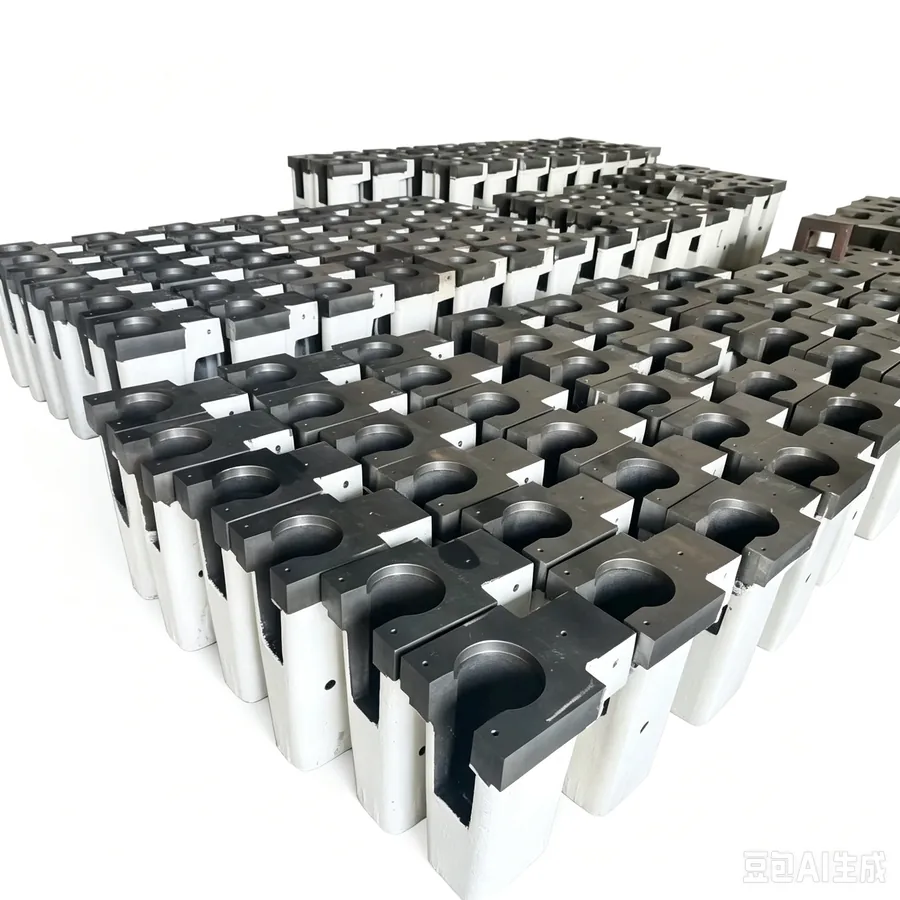 IMMERSED METAL PATH
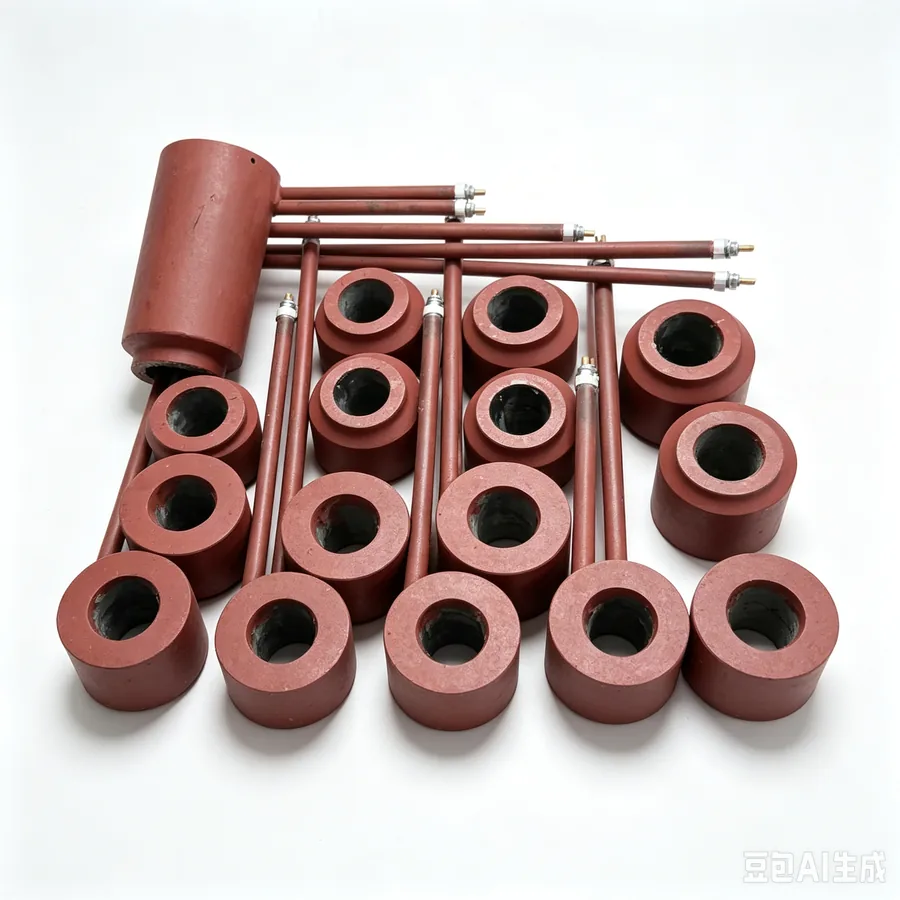 THERMAL ZONE
16source images included
5immersed injection and service items
7heating and temperature items
4die service and zinc handling items
Direct procurement answer
What information identifies a hot chamber spare part?
Start with the machine brand, exact model, serial number or build period, hot-end and furnace photographs, and the installed location. Then add critical dimensions, electrical ratings, sensor type, alloy, operating temperature, quantity, failure evidence, and a drawing or approved old-part sample. Brand and part name narrow the search; the measured interface and controlled specification determine whether a replacement can be released.
Fastest review package: nameplate + complete hot-end photo + removed-part photo + marked dimensions + drawing or sample + voltage/wattage or sensor data.
Hot-end control map
Follow the part through heat, metal, motion, and maintenance
This page uses the physical process sequence so maintenance and purchasing can see which adjacent components must be checked before replacing one item.
Plunger tip and rod must match the immersed bore, connection, stroke, alloy, and service condition.
Nozzle, heater, and thermocouple form one controlled thermal interface to the die.
Spray equipment, removal tools, drawings, measurements, and trial criteria close the maintenance loop.
Complete supplied-material register
Sixteen items, organized by the interface they control
Every image in the supplied hot chamber folder is represented. Similar heater and probe images remain separate because electrical construction, geometry, and installed position can change the quotation.
01Immersed hot end
Hot Chamber Gooseneck Pots
Carry molten zinc from the furnace through the immersed injection path toward the nozzle and die.
CONTROL BEFORE QUOTATION
Add this item to the RFQ Machine model, build period, furnace layout, plunger bore, metal passage, nozzle interface, mounting datums, alloy, and approved drawing.
 02
02Injection interface
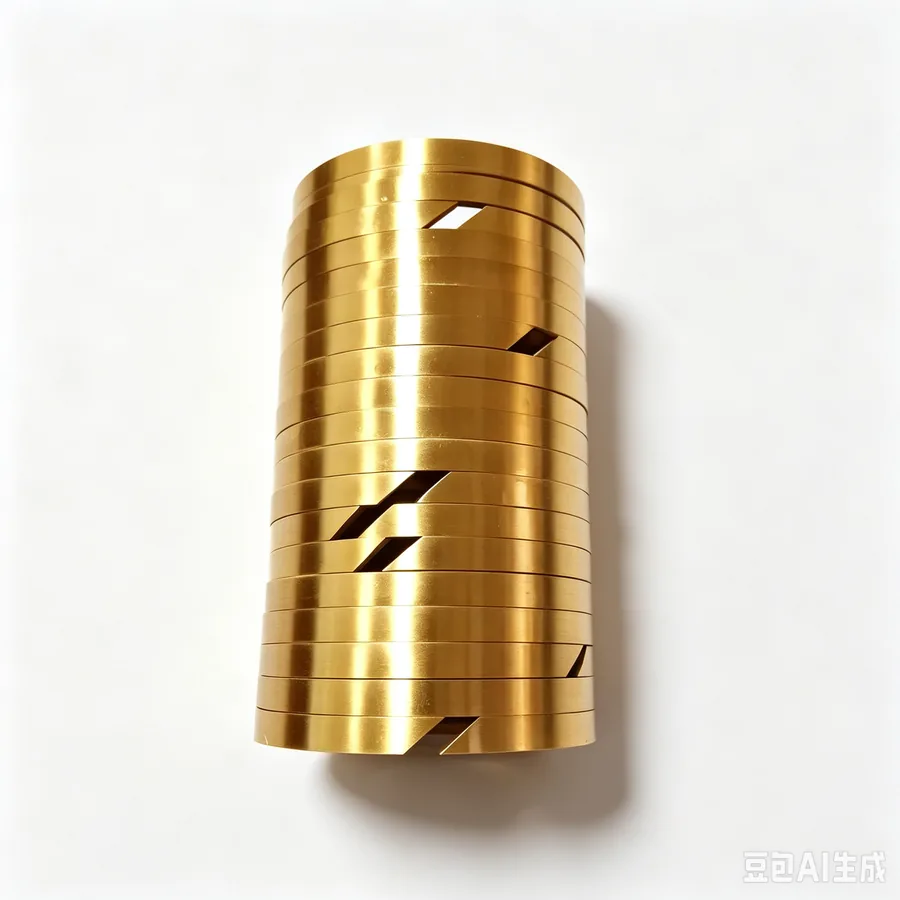
Hot Chamber Plunger Tips
Seal and drive molten metal through the gooseneck while operating inside a high-temperature immersed system.
CONTROL BEFORE QUOTATION
Open the identification guide Add this item to the RFQ Outside diameter, length, groove or ring arrangement, material, clearance, mating bore, alloy, temperature, and wear evidence.
 03
03Injection interface
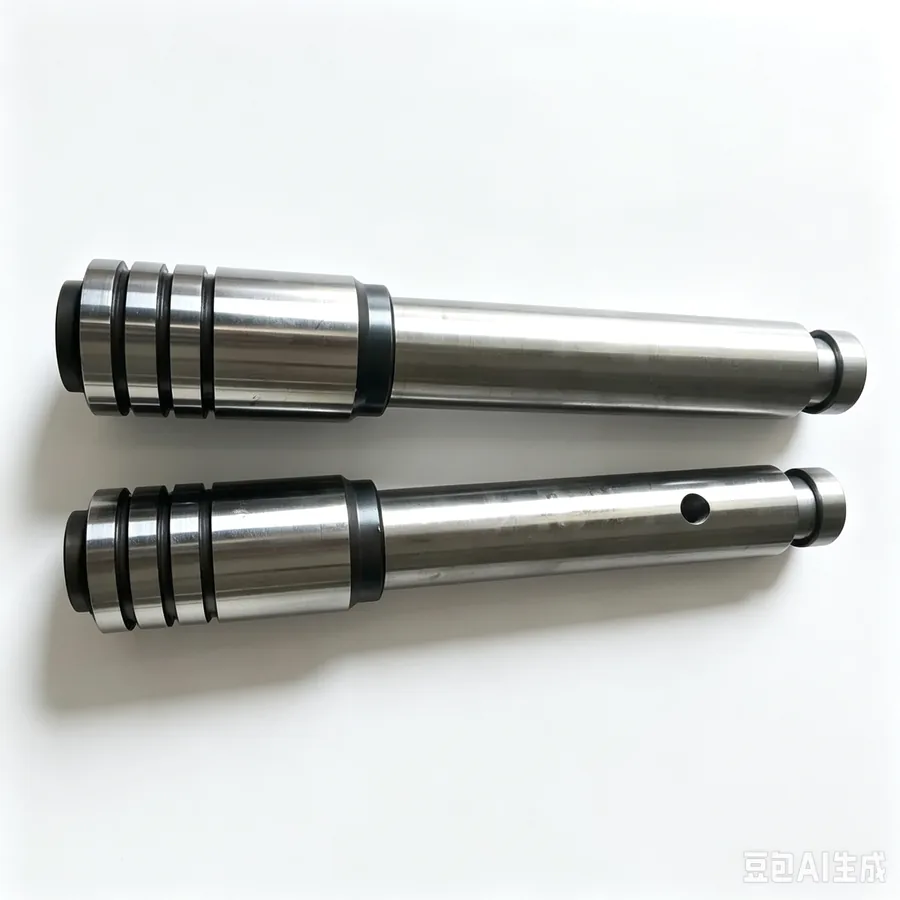
Hot Chamber Plunger Rods
Transfer injection motion to the immersed plunger tip while preserving alignment and connection geometry.
CONTROL BEFORE QUOTATION
Open the identification guide Add this item to the RFQ Overall length, diameters, both end connections, threads, shoulder datums, stroke, mating tip, straightness, and machine model.
 04
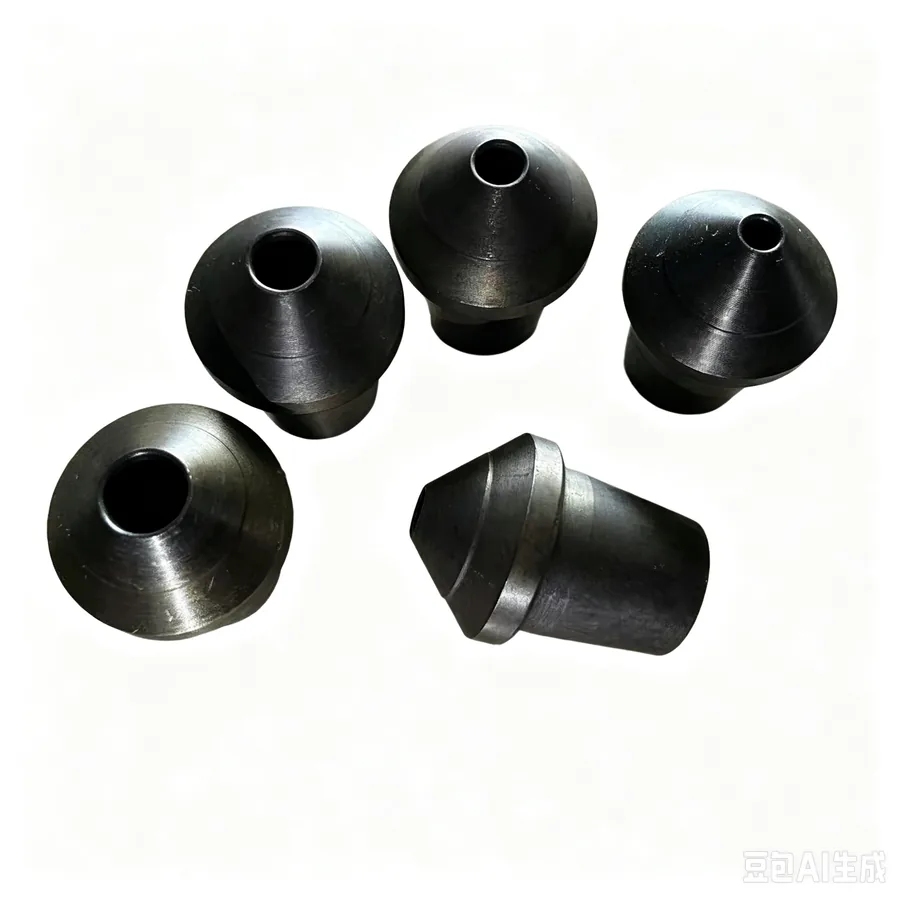
04Metal delivery
Hot Chamber Nozzle Tips
Connect the heated metal-delivery path to the die sprue and control the final interface before cavity filling.
CONTROL BEFORE QUOTATION
Open the identification guide Add this item to the RFQ Nozzle length, taper, bore, thread, seat, sprue interface, heater arrangement, alloy, operating temperature, and approved sample.
 05
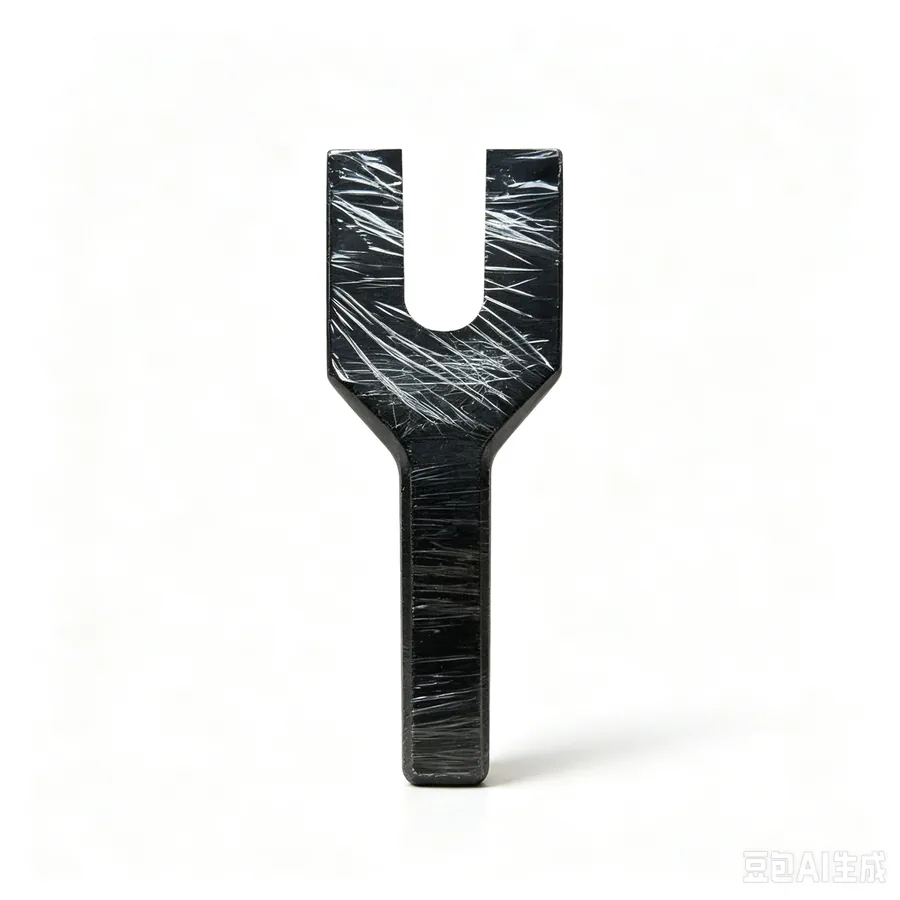
05Service tooling
Nozzle Removal Forks
Support controlled nozzle service when the fork dimensions match the accessible flats, groove, and maintenance procedure.
CONTROL BEFORE QUOTATION
Open the identification guide Add this item to the RFQ Fork opening, thickness, reach, handle connection, material, nozzle geometry, access clearance, and approved lockout procedure.
06Thermal control
Nozzle Heater Bands and Sleeves
Maintain the nozzle-zone temperature through ring or sleeve heaters sized for the installed hot-end geometry.
CONTROL BEFORE QUOTATION
Open the identification guide Add this item to the RFQ Inside and outside diameter, width, voltage, wattage, lead length, connector, sensor position, insulation, and installation zone.
 07
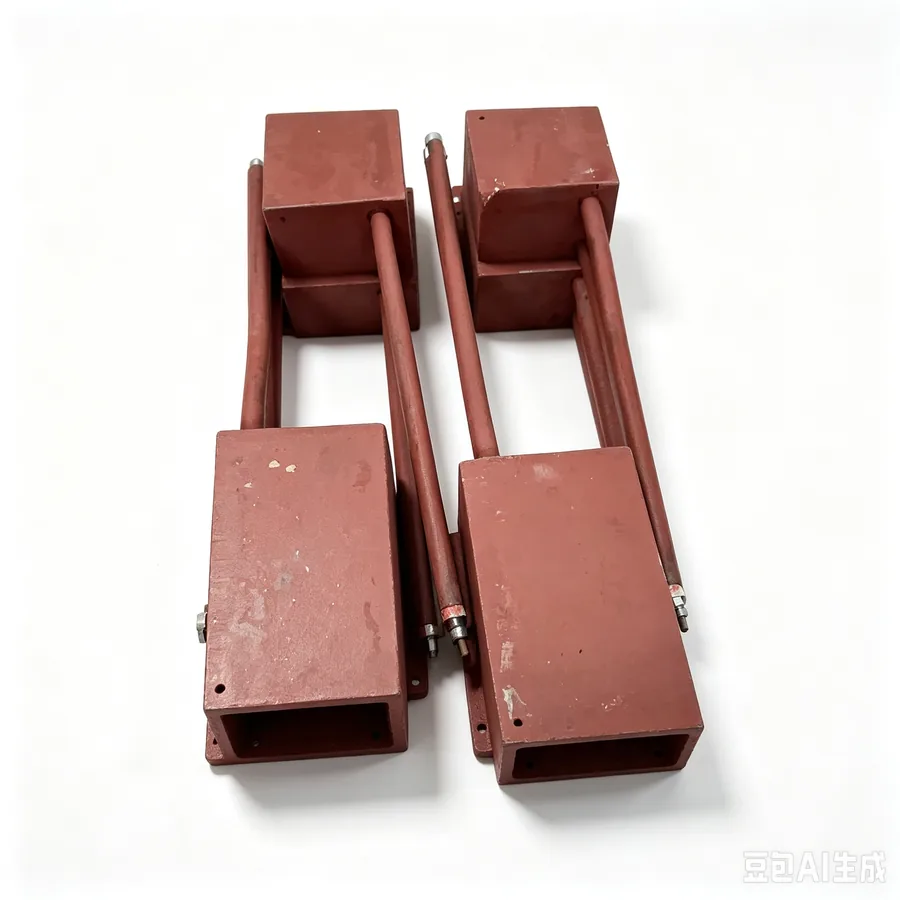
07Thermal control
Custom Heating Blocks
Apply heat through a shaped block or assembly where contact surface, power density, and mounting control performance.
CONTROL BEFORE QUOTATION
Open the identification guide Add this item to the RFQ Block dimensions, contact profile, material, heater count, voltage, total power, wiring, mounting, sensor location, and drawing.
 08
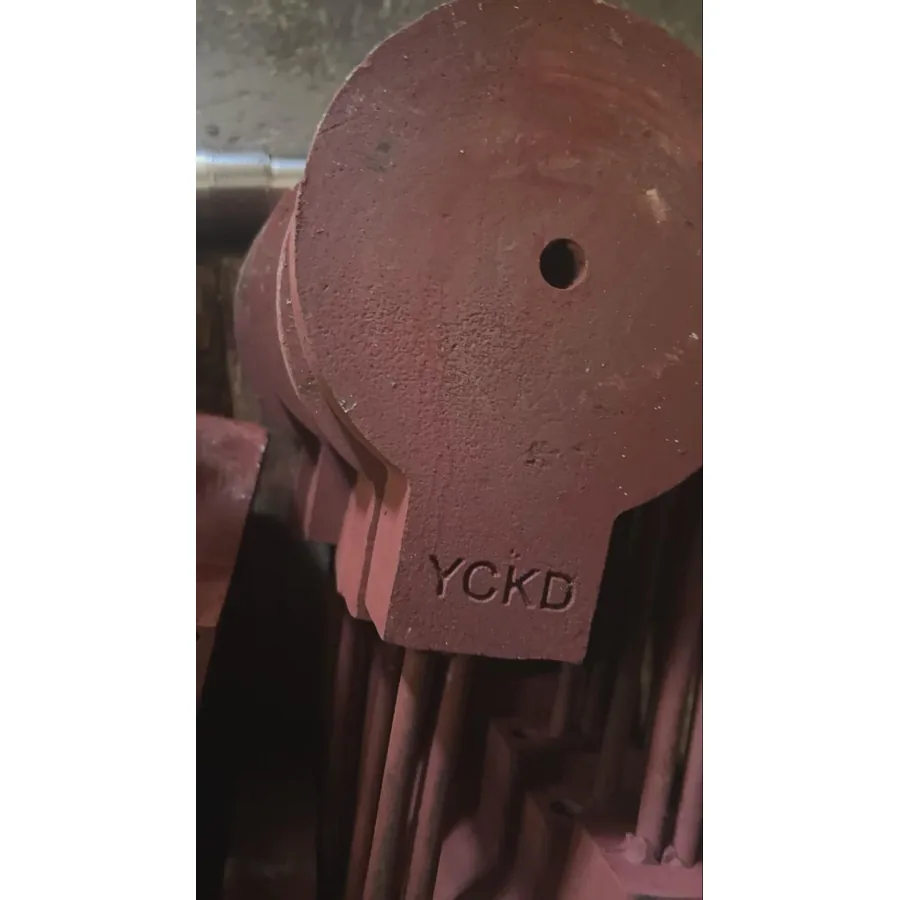
08Thermal control
Heater Discs and Plates
Provide localized heating through a disc-shaped component built around the required bore and contact area.
CONTROL BEFORE QUOTATION
Open the identification guide Add this item to the RFQ Outside diameter, bore, thickness, profile, voltage, power, cable exit, mounting face, operating temperature, and sample.
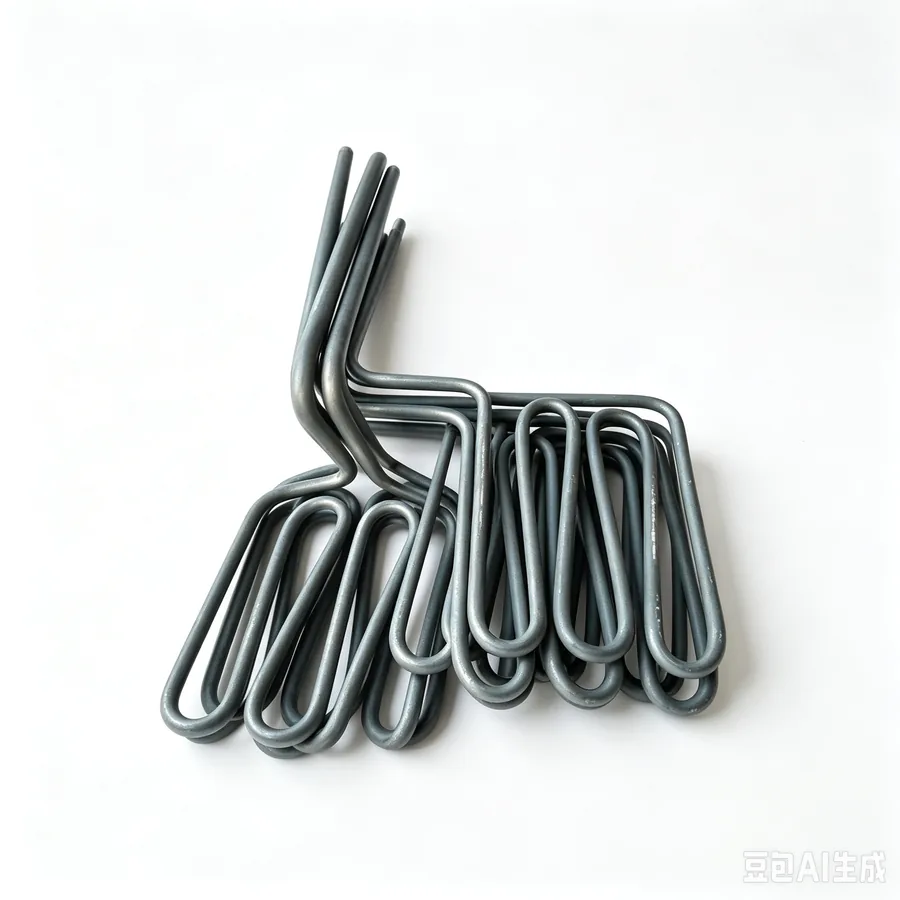 09
09Thermal control
Three-Piece Heating Elements
Replace a matched multi-element heating set where shape, circuit arrangement, and installed position must remain coordinated.
CONTROL BEFORE QUOTATION
Open the identification guide Add this item to the RFQ Set quantity, formed geometry, element diameter, voltage, wattage per element, terminals, phase or circuit layout, and drawing.
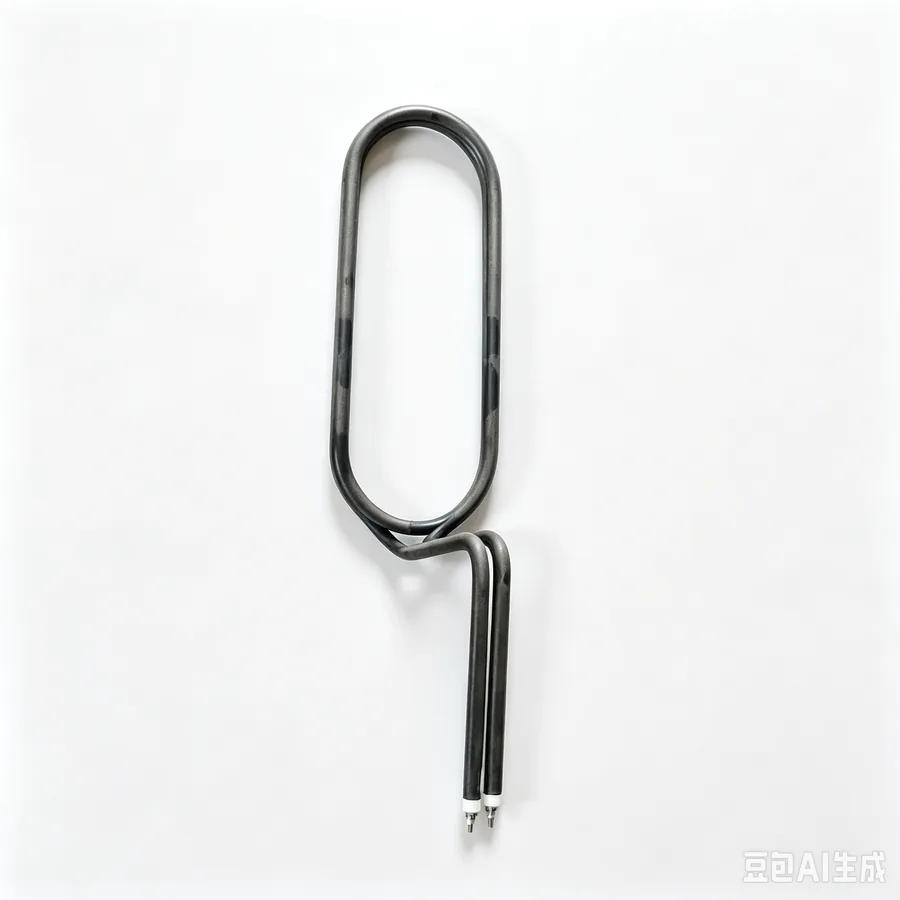 10
10Thermal control
Single-Loop Heating Elements
Supply a formed resistance-heater loop against the exact envelope, terminal position, electrical rating, and duty.
CONTROL BEFORE QUOTATION
Open the identification guide Add this item to the RFQ Overall shape, tube diameter, bend radii, cold ends, voltage, wattage, resistance, terminal type, insulation, and quantity.
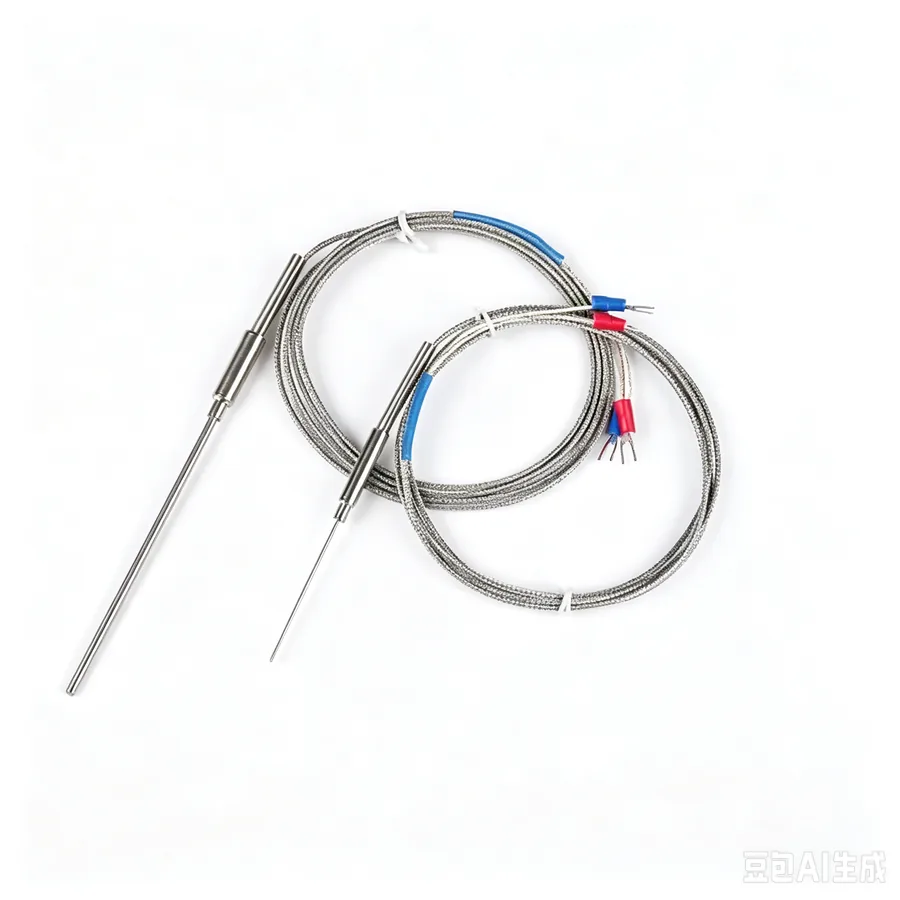 11
11Temperature sensing
Hot-End Thermocouple Probes
Measure a defined hot-end or heater-zone temperature for control, alarms, troubleshooting, and process records.
CONTROL BEFORE QUOTATION
Open the identification guide Add this item to the RFQ Sensor type, probe diameter and length, thread, sheath, temperature range, lead, connector, polarity, and controller input.
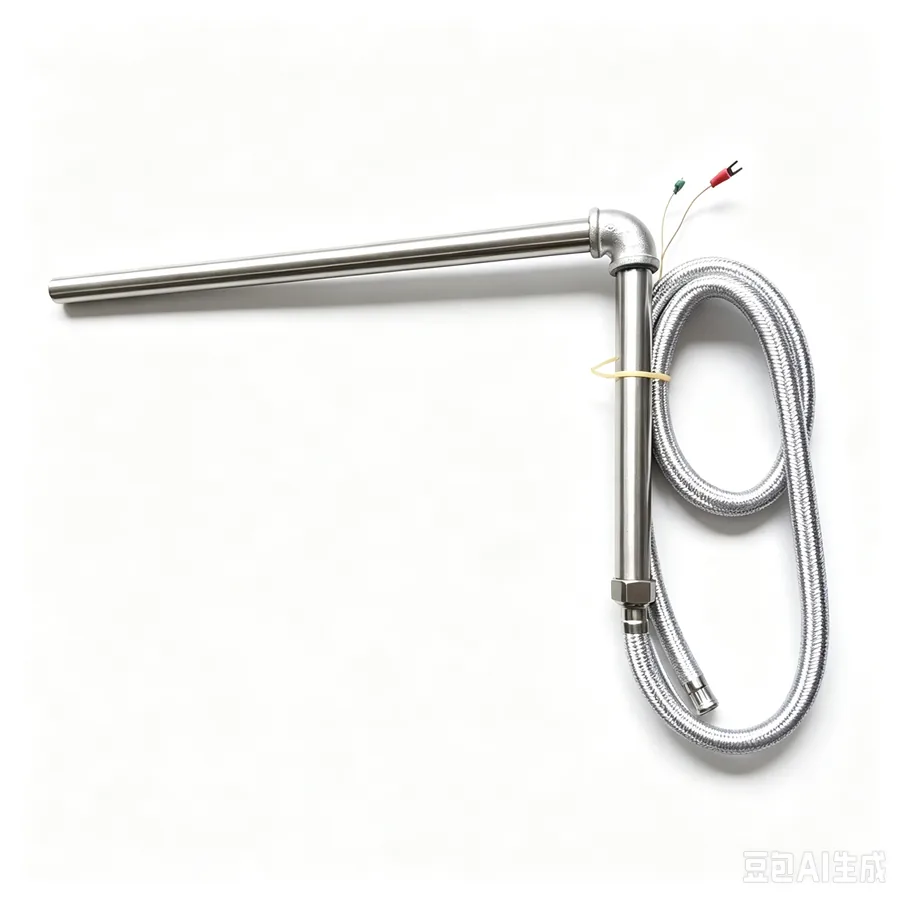 12
12Temperature sensing
Furnace Temperature Probes
Monitor molten-metal or furnace-zone temperature through a longer rigid probe and protected cable assembly.
CONTROL BEFORE QUOTATION
Open the identification guide Add this item to the RFQ Thermocouple type, immersion length, sheath material and diameter, process connection, range, cable, termination, and position.
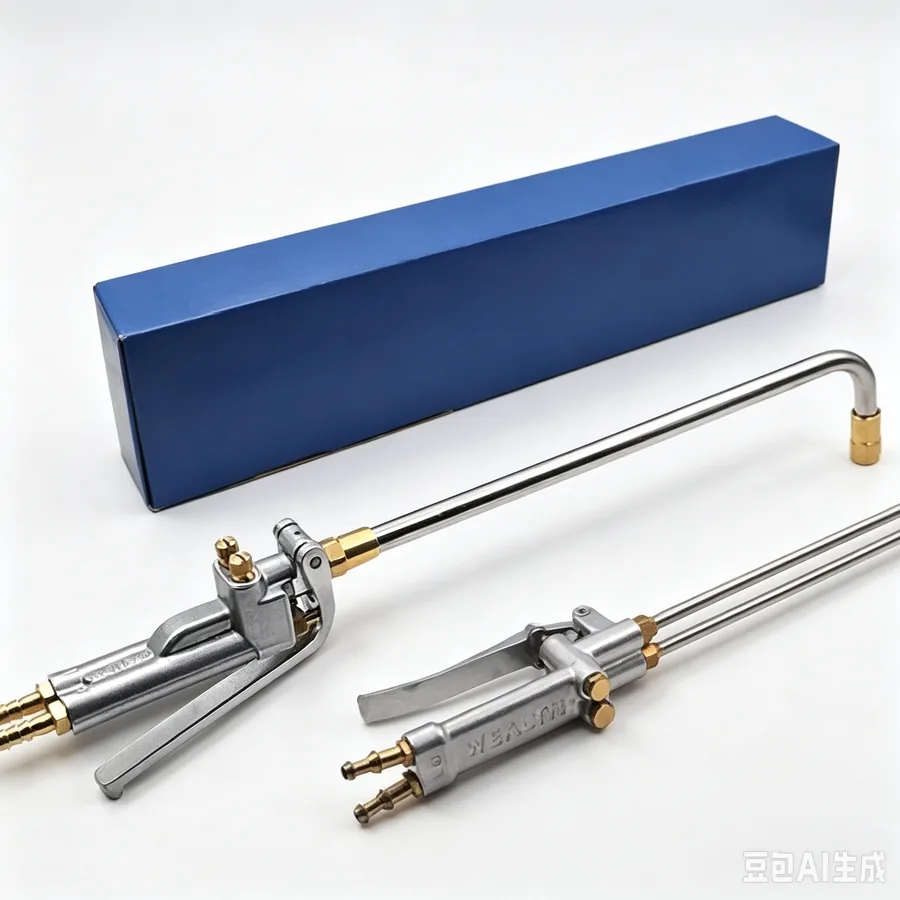 13
13Die service
Die Spray Guns
Apply release media or air through a service gun whose lance, valve, seals, and fittings match the operating system.
CONTROL BEFORE QUOTATION
Open the identification guide Add this item to the RFQ Sprayer or gun model, media, pressure, flow, lance length, nozzle, inlet threads, seals, trigger function, and quantity.
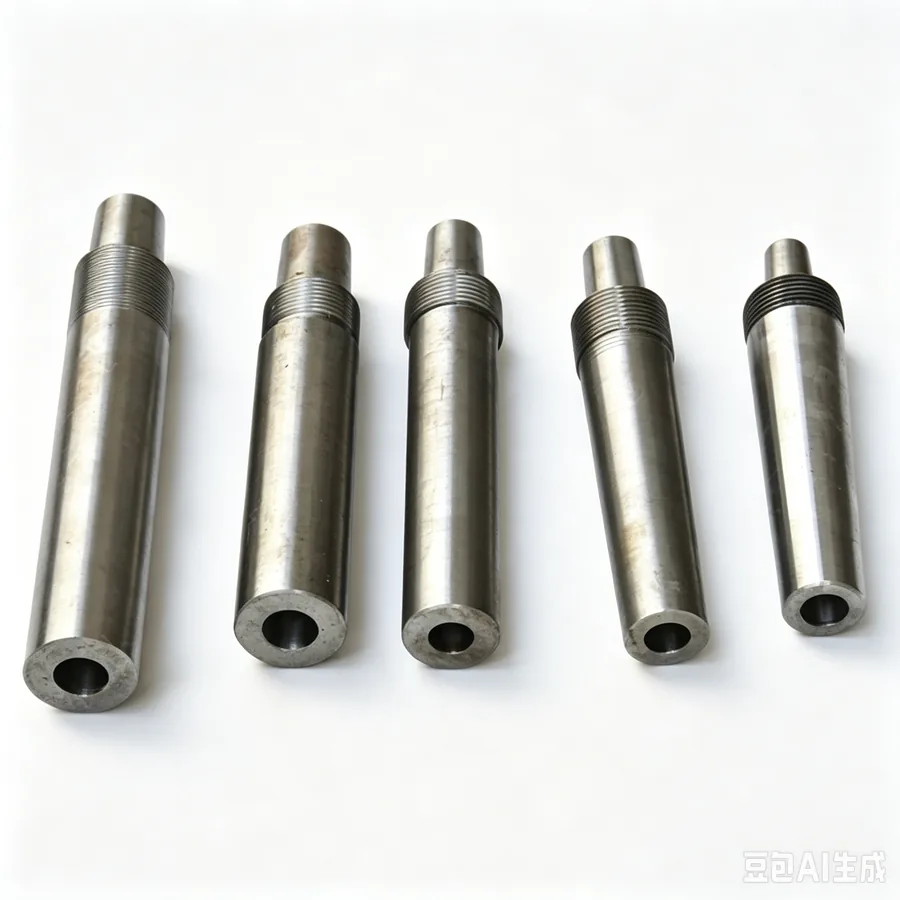 14
14Die service
Spray Tubes and Lances
Route air or release agent to the required die position through replaceable tubes with controlled connection geometry.
CONTROL BEFORE QUOTATION
Open the identification guide Add this item to the RFQ Tube diameter, length, bore, bend, inlet and outlet connections, media, pressure, nozzle interface, position, and quantity.
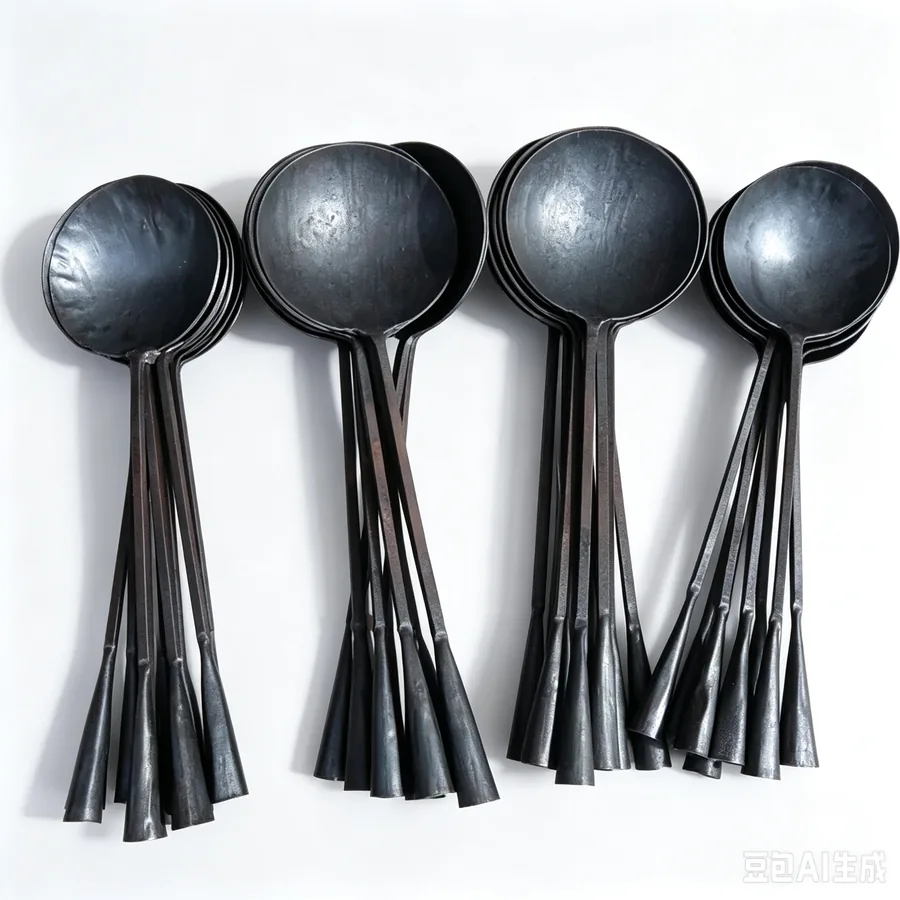 15
15Molten-metal handling
Molten Zinc Ladles
Support manual sampling, transfer, or furnace housekeeping when the ladle construction suits the approved task.
CONTROL BEFORE QUOTATION
Open the identification guide Add this item to the RFQ Intended task, bowl volume, alloy, working temperature, material, coating, handle length, lifting method, and quantity.
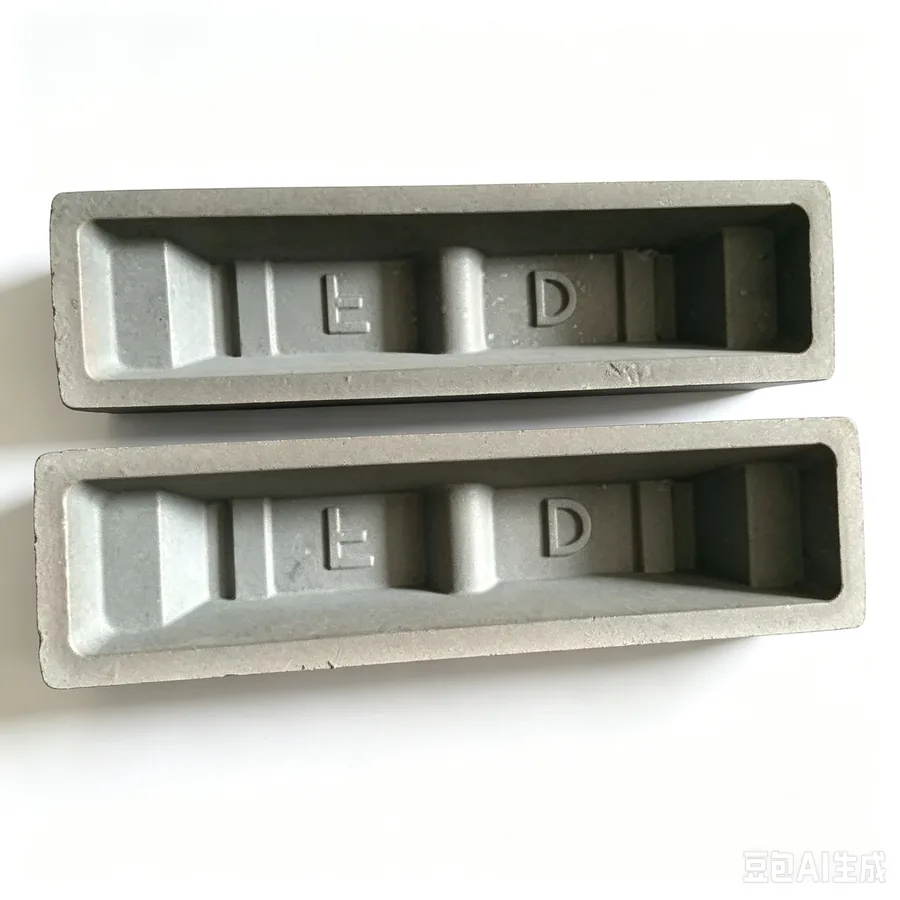 16
16Foundry support
Zinc Ingot Moulds and Troughs
Form or handle zinc ingots as auxiliary foundry tooling rather than as a universal hot chamber machine component.
CONTROL BEFORE QUOTATION
Add this item to the RFQ Alloy, cavity volume, dimensions, material, pouring temperature, handling method, identification marks, and drawing.
Compatibility passport
Choose the installed machine brand
Brand selection pre-fills the RFQ and helps route the inquiry. It never replaces model, revision, hot-end, dimension, heater, or thermocouple confirmation.
Compatibility statementSymptom-to-evidence ledger
Investigate the hot zone before ordering the visible failure
The table structures a purchasing inquiry; it does not replace qualified electrical, process, maintenance, tooling, or safety diagnosis.
| Observed condition | Review as one system | Evidence to attach | Wrong-order risk |
|---|---|---|---|
| Nozzle freezing or unstable flow | Nozzle, heater, sensor, controller, contact, alloy temperature | Temperature trend, heater rating, resistance, sensor type, nozzle dimensions | Replacing the nozzle while the thermal-control fault remains |
| Early plunger or gooseneck wear | Tip, bore, rod alignment, alloy, temperature, deposits, cycle | Wear map, measured bore and tip, stroke, process and maintenance records | Installing a new tip into a worn or misaligned immersed bore |
| Probe drift or control alarm | Sensor type, polarity, sheath, immersion, wiring, input card | Label, wiring, controller setting, comparison reading, installed position | Buying a physically similar probe with the wrong calibration or connection |
| Uneven spray or blocked lance | Gun, tube, nozzle, media, pressure, filtration, valve and timing | Pattern photo, thread, tube geometry, pressure, flow and media | Matching appearance but missing the required flow and seal interface |
Isolate electrical and hot-metal hazards before inspection. Do not infer the root cause from one damaged component or one temperature reading.
Machine-system evidence
Use the parent machine to locate the interface
Published hot chamber specifications identify values such as plunger diameter, shot weight, crucible capacity, nozzle heating power, and machine configuration. Those values help define the correct questions for gooseneck, plunger, nozzle, heater, and probe inquiries, but the final part still requires its own approved interface record.
- 01 Mark the part location on a complete machine or hot-end photo.
- 02 Record the exact DM or other machine model and build period.
- 03 Add the heater circuit or sensor input for electrical components.
- 04 Freeze drawing, sample, inspection, and trial acceptance.
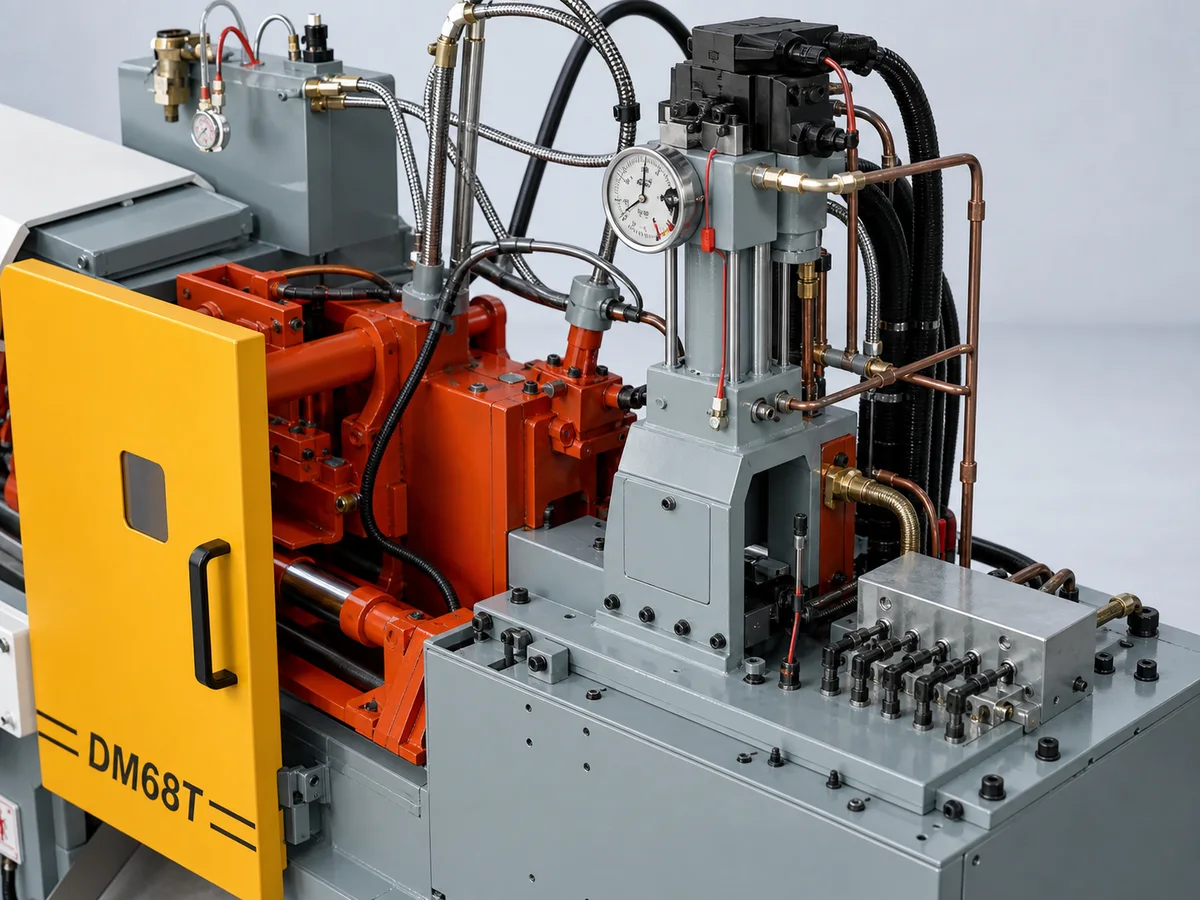
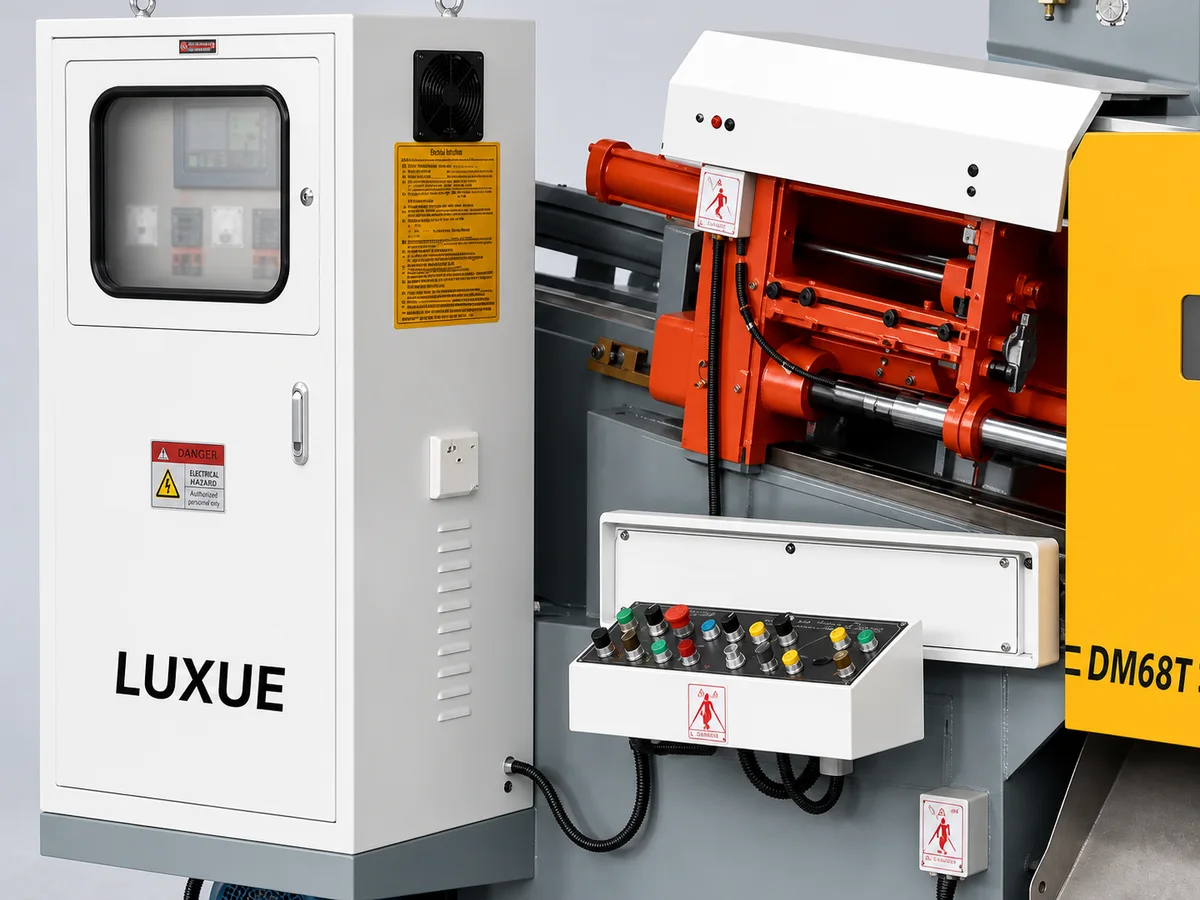
Technical context: ShiMi DM68T published hot chamber parameters and ShiMi DM400T published hot chamber parameters. Reference images and data identify system context, not a guaranteed replacement-part specification.
Purchase-order release gate
Four records should agree before approval
Price comparison becomes useful only after suppliers respond to the same machine identity, technical scope, evidence, and acceptance route.
Machine record
Brand, model, serial or build period, furnace type, hot-end arrangement, location, and modification history.
Part record
Drawing or sample revision, mating components, dimensions, material, coating, electrical data, sensor type, and quantity.
Process record
Alloy, temperature, cycle, heater duty, spray media, failure mode, maintenance history, and safety constraints.
Acceptance record
Inspection report, resistance or calibration check, first article, fit trial, marking, packing, and nonconformance process.
Hot chamber spare-parts FAQ
Questions to close before the RFQ
These answers support initial procurement and AI-search retrieval. The approved drawing, sample, electrical specification, and signed quotation remain controlling documents.
01Which hot chamber die casting machine spare parts are included?
The supplied-material scope includes gooseneck pots, plunger tips and rods, nozzle tips, nozzle-removal forks, heater bands and sleeves, custom heating blocks, heater discs, single-loop and three-piece heating elements, two thermocouple styles, spray guns and tubes, molten-zinc ladles, and zinc ingot moulds. These are purchasing categories. Availability and final fit still depend on the machine, hot-end configuration, drawing, electrical ratings, alloy, quantity, and acceptance requirements.
02What is required to quote a hot chamber gooseneck or nozzle?
Send the machine brand, exact model, serial number or build period when available, furnace and hot-end photographs, installed location, plunger bore, nozzle and gooseneck interfaces, mounting datums, metal-passage details, alloy, operating temperature, quantity, and marked dimensions. A controlled drawing or approved old-part sample is strongly preferred because visually similar hot-end parts can differ internally and may not share the same heat, flow, or mounting geometry.
03Can you match LK, YIZUMI, XINJIASHENG, CHENGAO / ZHENGAO, or SHIMI parts by brand alone?
No. Brand selection narrows the likely machine family but does not prove compatibility. The same brand can have multiple models, build periods, furnace types, shot packages, nozzle arrangements, local modifications, and peripheral suppliers. Confirm the exact model, hot-end assembly, critical dimensions, electrical data, mating parts, and drawing or sample. Brand names identify the intended compatibility target only and do not imply OEM authorization, affiliation, endorsement, or distributorship.
04How should nozzle heaters and electric heating elements be specified?
Record the heater shape, inside and outside dimensions, installed contact surface, element diameter, bend geometry, voltage, wattage, resistance when known, phase or circuit arrangement, lead length, terminal type, insulation, sensor location, and maximum operating temperature. Also explain whether the item is one element or a matched set. An incorrect electrical rating or poor physical contact can create temperature instability and safety risk, so installation and verification should follow qualified electrical procedures.
05What information is needed for a thermocouple or temperature probe?
Identify the sensor type, controller input, probe or sheath material, diameter, insertion or immersion length, thread or mounting connection, measuring range, cable construction, lead length, connector, polarity, installed zone, and expected response. Send a label photo and wiring details where possible. Do not assume two probes are interchangeable because they have the same outer shape; sensor calibration, polarity, sheath, junction, and controller compatibility can differ.
06Should the plunger tip, rod, gooseneck, and lubricant condition be reviewed together?
Yes. The plunger tip operates inside the gooseneck bore, the rod transfers injection motion, and the molten-metal and temperature conditions influence wear, clearance, sealing, and deposits. A replacement tip may fail early if the bore is worn, alignment is incorrect, the rod connection is unsuitable, or process conditions remain uncontrolled. Submit wear photographs, measured interfaces, alloy and temperature records, maintenance history, and the paired-component dimensions before approving an isolated replacement.
07Can a discontinued or modified hot chamber part be made from a sample?
A drawing-based or sample-based feasibility review may be possible, but the evidence package must distinguish measured geometry from assumptions. Internal passages, material grade, heat treatment, heater construction, sensor type, and critical tolerances may not be recoverable from an external photograph. The quotation should define the approved sample, drawing revision, inspection method, first-article route, destructive or non-destructive checks if required, and responsibility for any machine-side modification or trial.
08What should purchasing include in a hot chamber spare-parts order?
State the machine and part identity, approved drawing or sample revision, alloy and operating temperature, material, coating or heat treatment, critical dimensions and tolerances, electrical ratings, sensor type, quantity, inspection evidence, marking, packing, delivery term, warranty boundary, and nonconformance process. For a heater or thermocouple, add resistance or calibration checks. For hot-end metal components, add mating-interface inspection and, where appropriate, first-article or controlled production-trial acceptance.
Hot chamber part identification request
Build the RFQ around the hot-end evidence
Select the brand, identify the installed zone, and upload the nameplate, old part, marked measurements, and electrical or sensor information together.
- 01Machine and hot end
Brand, model, build period, furnace, gooseneck, nozzle, and installed-location photographs.
- 02Mechanical interface
Diameters, lengths, threads, seats, bores, passages, datums, mating parts, drawing, and sample.
- 03Thermal and electrical data
Alloy, temperature, voltage, wattage, resistance, sensor type, controller input, leads, and terminals.
- 04Commercial release
Quantity, urgency, destination, inspection, first article, documentation, packing, and acceptance.