Kitchen and food-preparation equipment
Mixer structures, coffee-machine housings, blender and processor frames, handles, bases, brackets, controls, gear supports, covers, and decorative shells.

Product experience lab / application 06
Translate what users see, touch, hear, clean, load, and live with into controlled casting, finish, assembly, machine, cell, and acceptance requirements.
Technical content reviewed August 10, 2026 by Cathy, Director. Safety, food or skin contact, electrical, thermal, environmental, and durability claims remain subject to the complete approved product and applicable validation.
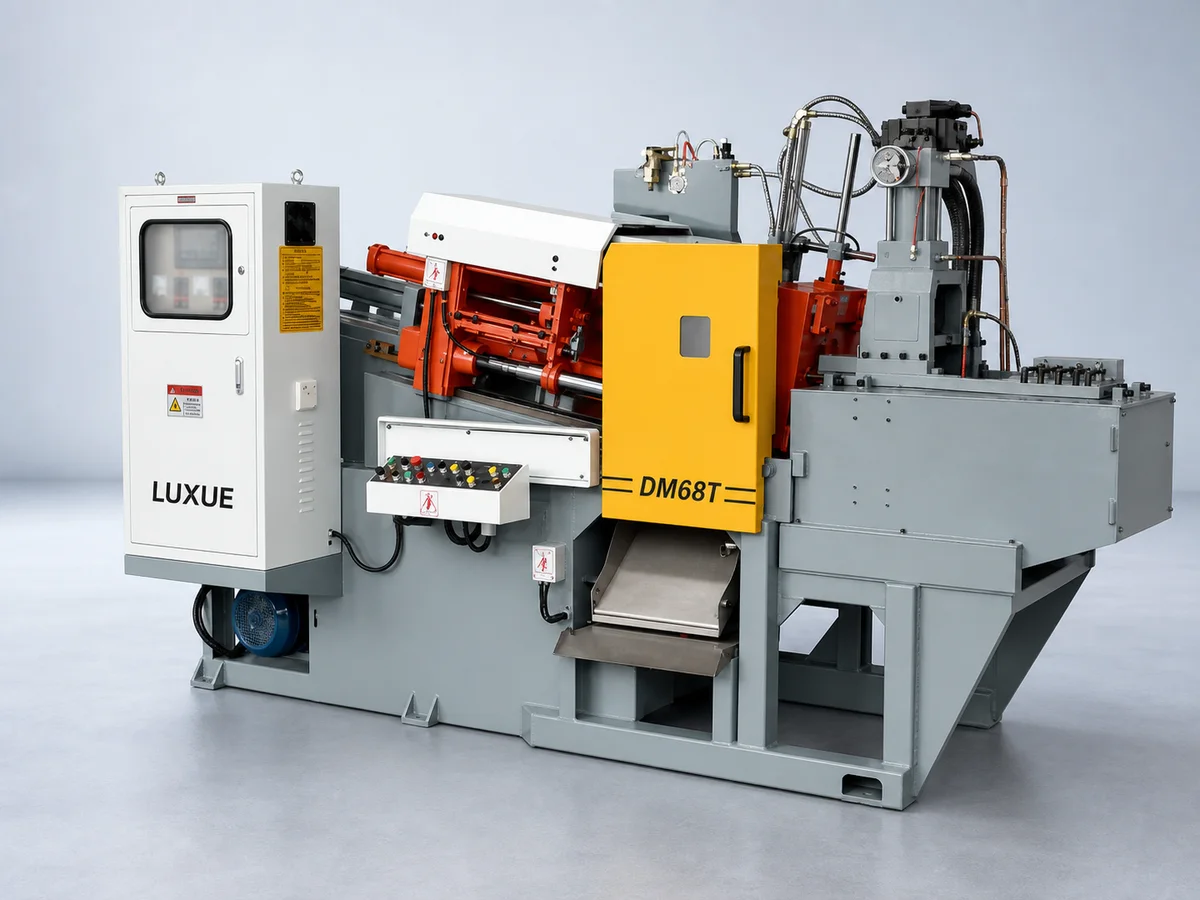
Application portfolio / six product environments
A coffee-machine housing, weighted mixer base, smart thermostat frame, tool body, appliance knob, and decorative tabletop product place different demands on material, process, finish, testing, and production release.
Mixer structures, coffee-machine housings, blender and processor frames, handles, bases, brackets, controls, gear supports, covers, and decorative shells.
Laundry, cleaning, climate, floor-care, ventilation, ironing, dispensing, and domestic equipment frames, mechanisms, knobs, handles, and housings.
Grooming-device frames, beauty-tool housings, wellness equipment, ergonomic grips, stands, mechanisms, closures, and premium exterior components.
Tool housings, handles, frames, guides, adjustment parts, guards, supports, small gear cases, latches, fittings, and control components.
Access devices, control hubs, sensors, cameras, speakers, thermostats, communication units, mounts, bezels, shielding frames, and heat-spreading housings.
Tableware, dispensers, presentation hardware, desk accessories, audio components, weighted bases, decorative mechanisms, and design-led metal products.
Alloy routing lab
Material selection affects mass, touch, heat flow, stiffness, creep, corrosion, finish, die design, process temperature, cycle, tooling life, automation, and lifetime cost. Keep tradeoffs explicit.
Evaluate for knobs, handles, precision frames, mechanisms, housings, weighted bases, decorative components, and products where mass, damping, detail, dimensional stability, finish, or part consolidation creates value.
Evaluate for motor and gearbox frames, appliance structures, larger housings, brackets, bases, covers, heat-spreading components, and products where size, lower density, stiffness, or an aluminum assembly architecture controls.
Human interface review
Consumer rejection can begin before a laboratory failure: an uneven gap, cold or hot touch point, unstable base, visible flow line, coating mismatch, rough edge, buzz, rattle, or loose control can undermine the product.
Convert subjective expectations into zone maps, boundary samples, gauges, test states, environmental conditioning, sample sizes, and reaction rules that suppliers can repeat.
Color, gloss, texture, waviness, parting line, gate, ejector, sink, flow marks, pores, scratches, shade consistency, and assembly gaps.
Surface temperature, edge radius, grip, texture, balance, mass, stiffness, rattle, operating force, coating feel, and cleanliness.
Vibration transmission, resonance, motor and gear noise, clicks, latch sound, looseness, impact response, and change through life testing.
Motion, stability, access, controls, installation, cleaning, service, error states, misuse, fatigue, wear, and predictable failure behavior.
Use environment / exposure map
“Indoor appliance” is not an exposure specification. Record temperature, heat sources, humidity, condensation, steam, spills, grease, detergent, disinfectant, abrasion, UV, storage, transport, and installation conditions.
Ambient, internal sources, surface limits, duty, cycling, thermal shock, cure exposure, and abnormal states.
Cleaners, food residues, oils, cosmetics, sweat, salt, disinfectants, concentration, dwell, rinse, and frequency.
Drop, impact, vibration, pull, torque, fatigue, tipping, slamming, fastener loads, shipping, and foreseeable misuse.
Finish protection, separators, films, humidity, stacking, transport vibration, unpacking, line-side handling, and re-use.
A die-cast component does not independently establish food-contact, skin-contact, electrical-safety, ingress, EMC, fire, hygiene, or appliance compliance. The product owner must identify applicable requirements and validate the complete controlled product.
Cosmetic yield engineering
The commercial unit is an accepted finished and assembled component—not an untrimmed casting. Map how every operation changes appearance, dimensions, cleanliness, fit, and yield.
Flow, pores, parting line, gate, ejector, flash, distortion, cavity identity.
Deburr, blast, polish, tumble, clean, convert, inspect, handle.
Plate, paint, powder, mask, cure, texture, color, gloss, thickness.
Machine, insert, fasten, bond, seal, test, mark, protect, pack.
Casting yield × preparation yield × finishing yield × assembly yield
Machine and cell release / six checks
Machine selection is a controlled calculation, then a process and cell review. Record data source, revision, units, formula, margin, option, exclusion, and approval owner.
All cavities, runners, slides, cores and relevant moving features using one approved pressure basis and a documented margin.
Net castings plus runner, gate, overflow, biscuit where applicable, and process allowance against the selected injection package.
Tie bars, platen, die thickness, opening, ejector, cores, slides, inserts, cooling, vacuum if required, weight, handling and service.
Thin walls, long cosmetic flow paths, isolated bosses, thermal balance, transfer repeatability, venting, fill monitoring and stable ejection.
Trim, deburr, blast, polish, clean, convert, plate, paint, powder coat, mask, cure, inspect, protect, assemble and pack.
Cavities, cycle, OEE, changeover, scrap, finish yield, assembly yield, maintenance, labor, energy and validated annual demand.
Do not compare tonnage alone. Normalize the shot package, die limits, injection controls, hot-end or metal-delivery scope, thermal system, vacuum where required, extraction, finishing boundary, automation, quality evidence, utilities, service, and acceptance.
Launch control / five release gates
Prototype, tool trial, finish approval, product validation, and production release answer different questions. Do not use one attractive sample as evidence for all five.
Product state, alloy, interfaces, environment, regulations, loads, finish zones, demand, test and acceptance ownership.
Fill, vent, thermal balance, dimensions, cavity variation, trim, handling, machine window, maintenance and controlled changes.
Surface preparation, color, gloss, texture, thickness, fit, masking, cleaning, bonding, fasteners, packaging and boundary samples.
Thermal, mechanical, electrical, environmental, life, misuse, shipping, installation, applicable standards and failure criteria.
Capability, MSA, control plan, run-at-rate, traceability, limits, reaction plan, spare capacity, documents and signed acceptance.
Procurement comparison board
Ask each supplier to mark included, allowance, option, buyer supply, exclusion, open decision, lead time, evidence, and acceptance owner. This makes lifecycle cost and launch risk visible.
Primary application evidence
The International Zinc Association documents home-appliance and consumer-product applications where casting detail, function integration, finish, stability, vibration behavior, assembly reduction, and production economics affected material choice. These examples support initial screening; approved project data and applicable requirements control the final decision.
Appliance die casting FAQ
These answers support preliminary procurement screening. Approved calculations, standards, samples, trials, tests, and written acceptance evidence remain controlling.
Choose from product requirements. Aluminum cold chamber die casting is commonly screened for larger lightweight frames, heat-dissipating housings, motor or gearbox structures, bases, brackets, and products where aluminum architecture controls. Zinc hot chamber die casting can suit compact precise components, detailed mechanisms, premium-feel parts, weighted bases, decorative housings, and high-volume products. Verify temperature, load, creep, corrosion, mass, finish, shot, die, volume, and complete-product compliance.
Suitable zinc alloys normally begin with hot chamber machine screening. Calculate total projected area and complete shot, then verify die envelope, slides, inserts, fine-detail filling, hot-end arrangement, cavity plan, trimming, finish protection, automation, inspection, and approved output. Do not choose from net part weight or tonnage alone.
Aluminum parts normally begin with cold chamber machine screening. Verify alloy, projected area, cavity-pressure basis, complete shot, plunger package, die size and weight, injection duty, thermal control, venting or vacuum, extraction, trim, machining, leak or pressure tests where relevant, automation, and plant utilities.
No. The casting may provide structure, heat flow, shielding, grounding, containment, or mounting, but compliance applies to the defined complete product and configuration. Electrical components, insulation, wiring, software-controlled states, fasteners, guards, temperatures, misuse, assembly, installation, and test conditions must be controlled under the applicable requirements.
Create a zone map with viewing distance, lighting, angle, texture, color, gloss, permitted and prohibited defects, comparison samples, measurement method, coating thickness, rack and contact restrictions, polishing allowance, gate and ejector restrictions, packaging, sampling, and reaction plan. Avoid subjective terms such as perfect surface without measurable acceptance criteria.
List actual cleaners, concentrations, contact method, dwell, rinse, frequency, temperature, humidity, food or skin-contact boundary where applicable, and expected life. Evaluate substrate, conversion layer, plating or coating, galvanic couples, seals, adhesives, markings, and assembled crevices in the final configuration. Generic salt-spray hours alone do not reproduce every use environment.
Provide 2D/3D data, product function, alloy, casting and runner weight, projected area, walls, cavities, die size and weight, slides, inserts, critical datums, thermal loads, cosmetic zones, finish, machining, assembly, annual volume, cycle, automation, tests, standards, destination, utilities, and launch timing. Mark every open assumption.
Compare one controlled scope: clamp basis, shot package, die limits, injection controls, hot-end or metal-delivery system, thermal and vacuum scope, extraction, trim, finishing boundary, inserts, automation, inspection, traceability, trials, utilities, safety, documentation, spares, service, installation, training, warranty, exclusions, and acceptance. Compare approved delivered-part capacity, not machine price alone.
Appliance and consumer project request
A useful first review identifies the alloy route, machine constraints, finish and launch risks, cell boundary, and missing decisions without inventing assumptions.
Use case, complete assembly, environment, touchpoints, thermal duty, loads, life, cleaning, misuse, applicable requirements, and claims.
2D/3D, alloy, weights, projected area, walls, cavities, datums, inserts, visible zones, finish stack, machining, and defect standard.
Die, cycle, demand, OEE, automation, finishing, assembly, tests, gauges, samples, capability, run-at-rate, traceability, and packaging.
Destination, utilities, timing, documents, training, spares, installation, service, warranty, commercial boundary, and exclusions.