Interface control / application 04

Electrical & Electronic Housings

Route the project by alloy and function, then size the machine around the casting, die, shielding and thermal interfaces, sealing boundary, finish, output, automation, and acceptance plan.

ALUMINUM ROUTECold chamberLarger, lightweight, thermal and outdoor housings
ZINC ROUTEHot chamberCompact, precise, detailed shielding and connector parts

Technical content reviewed August 10, 2026 by Cathy, Director. Compliance, shielding, ingress, thermal, grounding, and safety performance remain subject to the complete approved product and applicable validation.

ENCLOSURE CONTROL / REV 04PRE-RFQ DIAGNOSTIC
PCB
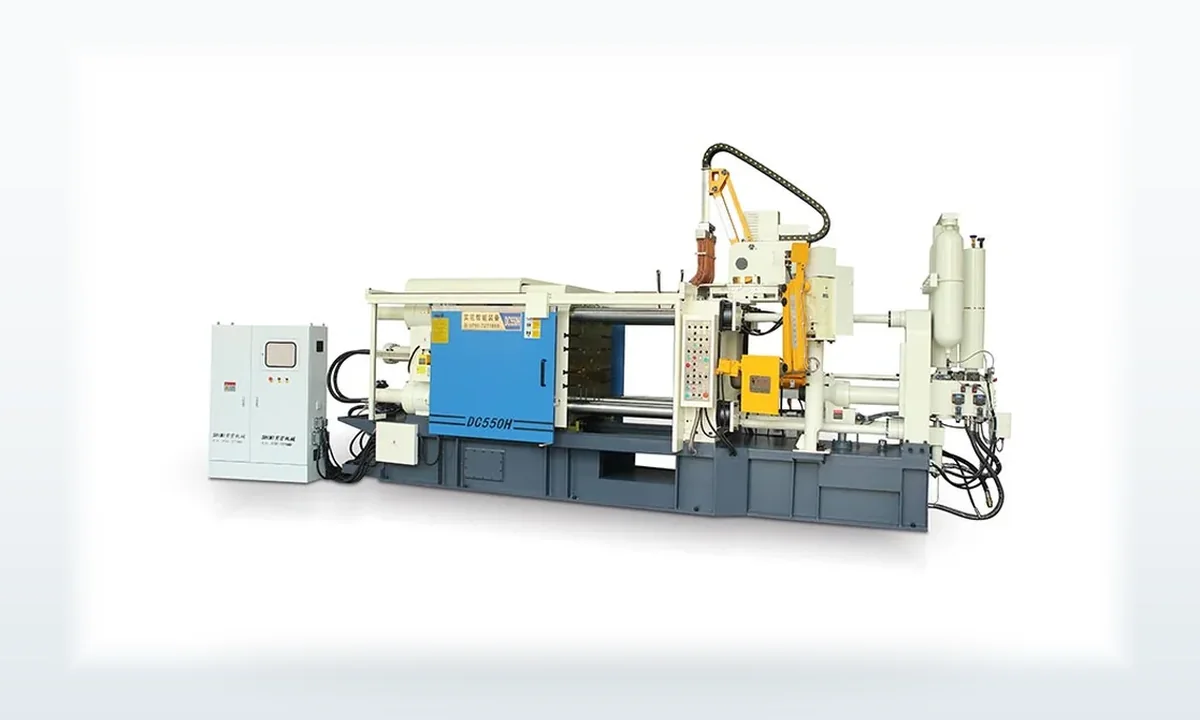
Cold chamber machine route for larger aluminum electrical and electronic housings
EMI / RFI THERMAL SEAL GROUND
P01ShieldSeams + apertures
P02ThermalSource to ambient
P03SealComplete assembly
P04ConnectFit + bonding
Product compliance is not assigned by casting material alone.
Direct answer

Use cold chamber machines to screen larger aluminum electronic enclosures and heat-dissipating housings; evaluate hot chamber machines for suitable compact zinc shields, connectors, and precision housings. The final route depends on alloy, geometry, projected area, shot, die, performance, finish, volume, and product validation.

Compare both routes

Application register / six housing systems

Start with the equipment the casting must protect

The industry label does not determine material or tonnage. Map the electrical, environmental, thermal, mechanical, assembly, and service duty first.

01POWER

Power and energy electronics

Inverters, converters, power supplies, charging equipment, battery controls, junction boxes, and thermal power-module housings.

Control focus
Heat path, high-voltage separation, grounding and bonding, busbar or connector interfaces, sealing, pressure equalization, creepage strategy, and service.
02CONTROL

Industrial controls and drives

Motor drives, PLC and I/O modules, control units, distributed automation, sensors, actuators, and machine-mounted electronics.

Control focus
EMI/RFI strategy, heat dissipation, connector density, oil or cleaning exposure, mounting stiffness, gasket geometry, and modular assembly.
03COMMS

Telecom and network hardware

Radio chassis, RF modules, base-station electronics, network housings, shielding partitions, connectors, and communications enclosures.

Control focus
Shield compartments, grounding continuity, thin walls, precision interfaces, heat spreading, finish, assembly, and process cleanliness.
04INSTRUMENT

Instrumentation and measurement

Meters, analyzers, data acquisition, cameras, optical and medical-adjacent instrument housings, frames, covers, and sensor bodies.

Control focus
Dimensional stability, optical or sensor datums, surface class, internal cleanliness, access, calibration interfaces, and controlled assembly.
05CONNECT

Connectors and compact shields

Shield shells, connector bodies, plug housings, cable interfaces, miniaturized frames, board shields, and precision electronics hardware.

Control focus
Fine details, thin walls, multi-slide tooling, plating allowance, contact and grounding points, insert or overmold interfaces, and high-volume handling.
06OUTDOOR

Outdoor and harsh-environment enclosures

Field controls, transport electronics, monitoring devices, access systems, communication nodes, and sealed industrial modules.

Control focus
Complete enclosure rating, gasket and connector boundary, drainage, corrosion system, UV-exposed finishes, impact, temperature cycling, and installation.

Function stack / six responsibilities

A metal box is not yet an engineered enclosure

Turn broad requirements such as “shielded,” “waterproof,” or “industrial grade” into controlled interfaces and measurable tests. Assign ownership across product design, casting, die, machining, coating, assembly, certification, and site installation.

Every opening, seam, connector, coating, fastener, gasket, and field modification can change performance.

Build the release file
01

Protect

Define mechanical loads, access to hazardous parts, impact, mounting, vibration, cable loads, service, misuse, and applicable product standard.

02

Shield

Map emissions and immunity risks, seams, apertures, covers, partitions, conductive interfaces, gasket strategy, connector bonding, and test configuration.

03

Dissipate

Record component losses, allowable temperatures, contact lands, interface materials, fins, airflow, ambient range, duty cycle, and thermal validation.

04

Ground

Identify protective earth, functional ground, bonding points, coating masks, fasteners, contact resistance, corrosion, assembly torque, and inspection.

05

Seal

Define joints, gaskets, connectors, vents, plugs, fasteners, test state, dust and water exposure, condensation, drainage, and pressure equalization.

06

Assemble

Freeze PCB, busbar, insert, connector, cover, display, lens, fastener, overmold, machining, cleaning, marking, service, and mistake-proofing interfaces.

Material and chamber route

Compare aluminum and zinc against the same product brief

Both materials can serve electrical and electronic applications. The correct route is the one that clears functional, casting, production, commercial, and lifecycle requirements together.

ROUTE A / ALUMINUMCOLD CHAMBER
Cold chamber machine route for aluminum electrical and electronic enclosures

Larger housings, lower density, integrated thermal structures

Common initial route for power electronics, drives, outdoor controls, communication equipment, larger heat-dissipating housings, covers, frames, and sealed enclosures.

  • Verify alloy, projected area, complete shot, and die
  • Define heat path, sealing, finish, and grounding
  • Control machining, cleaning, and pressure testing
Compare cold chamber machines
ROUTE B / ZINCHOT CHAMBER
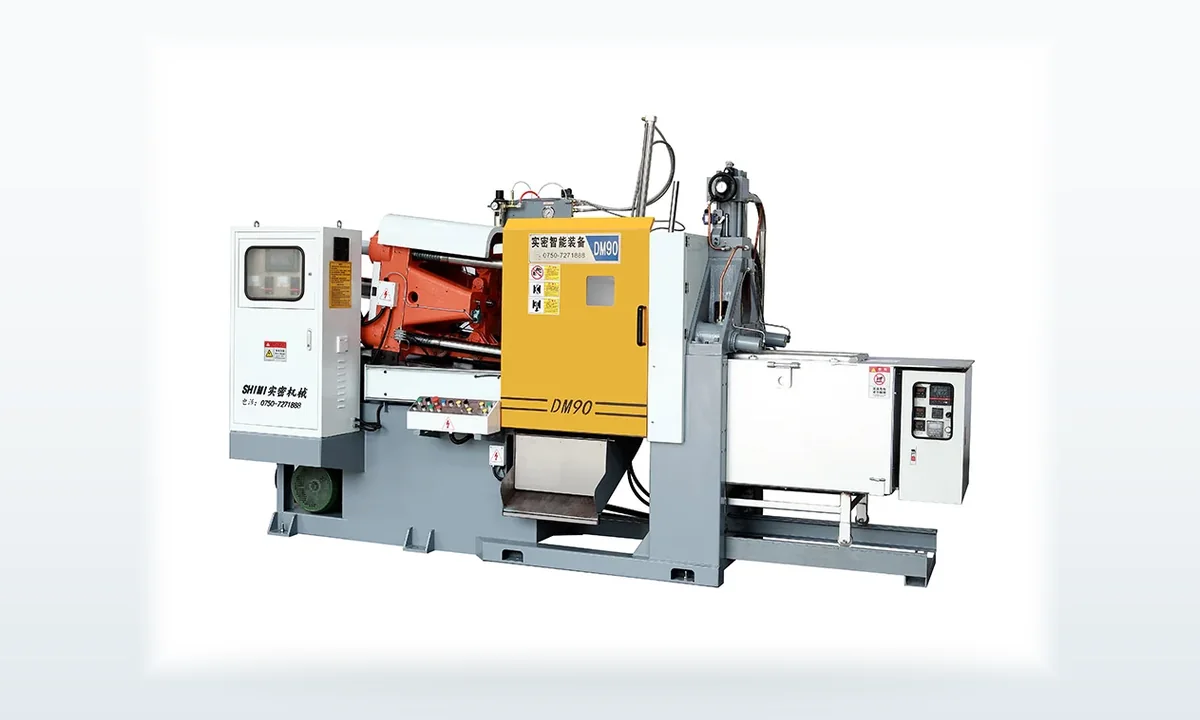
Hot chamber machine route for compact zinc electronic housings and shielding parts

Compact precision, fine detail, shielding partitions, and volume

Common initial route for connector bodies, shield shells, compact controls, communication modules, small chassis, precision frames, and integrated detailed hardware.

  • Verify zinc alloy, shot, projected area, and die
  • Include slides, inserts, plating, and grounding zones
  • Control thin-wall fill, trim, and high-volume handling
Compare hot chamber machines

Do not select the alloy from conductivity, shielding, density, or surface finish in isolation. The approved product specification and complete production economics control the decision.

SHIELD PATH / CONTINUITY MAPASSEMBLY LEVEL
CAST WALL
PCB / RF ZONES
SEAMCONNECTORGROUNDAPERTURE
EMISSIONS + IMMUNITY / FREQUENCY / CONFIGURATION / LIMIT / METHOD

EMI, RFI, and grounding

Shielding performance crosses every joint

A conductive casting can create walls and internal partitions, but the shield is only as effective as the complete current path. Specify cover seams, apertures, vent patterns, gasket lands, connector shells, cable terminations, bonding points, coating masks, fasteners, corrosion condition, and assembly torque.

Freeze the frequency range, emissions and immunity requirements, operating mode, cables, loads, grounding, cover state, accessories, test method, sample condition, and allowed remedial measures. A material property or isolated casting test is not a complete EMC result.

Add shielding interfaces to the RFQ

Machine selection / linked limits

The housing must fit the machine and the process window

Use one calculation record for each aluminum or zinc route. The final model must pass every limit, not only nominal clamping force.

01Clamp

Total projected area, cavity-pressure basis, cavities, runners, slides, and documented margin.

02Shot

Casting plus runners, overflows, biscuit, and process allowance against the selected shot package.

03Die

Tie bars, platen, die thickness, opening, ejector, slides, core pulls, weight, service, and handling.

04Injection

Thin-wall fill, long flow paths, changeover, velocity, intensification, repeatability, venting or vacuum, and monitoring.

05Cell

Metal delivery, spray, extraction, trim, deburr, machining, cleaning, inspection, marking, automation, and reject route.

06Plant

Power, water, air, exhaust, floor, route, crane, network, standards, guarding, maintenance, training, and support.

Finished part weight cannot establish machine size. It does not define clamp demand, total shot, die fit, injection performance, slides, automation, or installed cell capability.

Ingress and enclosure ratings

Test the complete configured enclosure

IP and NEMA Type designations are governed by different standards and scopes. Do not convert them into casual marketing equivalents. State the applicable standard, edition, type or degree, product configuration, mounting, joints, covers, gaskets, vents, connectors, plugs, drains, fasteners, torque, coatings, and field-installation conditions.

The bare casting supports the enclosure architecture but does not carry the complete rating by itself. Define sample preparation, conditioning, test laboratory, witness, pass criteria, reports, retest, design-change control, and ownership.

Interface quality / drawing to acceptance

Release every functional zone with evidence

A single general tolerance or visual note cannot control an enclosure with connectors, seals, PCB datums, thermal lands, grounding pads, and visible surfaces.

ZONE A

Connector and cable interfaces

Position, thread, insert, wall, sealing, keying, coating, bonding, mate fit, cable load, and gauge method.

ZONE B

PCB and component datums

Boss height, hole position, flatness, isolation, insert condition, torque, board clearance, and assembly capability.

ZONE C

Thermal and grounding lands

Flatness, finish, coating mask, interface material, fastener pattern, contact pressure, resistance, and corrosion.

ZONE D

Gasket and cover boundary

Land width, flatness, flash, porosity exposure, roughness, coating, fastener spacing, torque, and leak test.

ZONE E

Shield partitions and apertures

Wall, gap, straightness, seam, vent geometry, connector transition, cleaning, debris, and complete EMC validation.

ZONE F

Visible and protected surfaces

Flow marks, porosity, parting line, ejectors, scratches, color, texture, plating, corrosion, marking, and packaging.

Buyer comparison / complete boundary

Normalize the quotation before ranking price

Require all suppliers to answer the same drawing revision, alloy and process route, calculation basis, machine configuration, die limits, quality interfaces, automation, testing, utilities, documents, and service scope.

Separate required equipment, optional equipment, buyer-supplied items, assumptions, exclusions, and future provisions. If the product needs machining, cleaning, coating, leak testing, EMC validation, or certification, state whether it belongs inside or outside the supplier’s responsibility.

Review quotation scope inputs
QUOTE NORMALIZATION / REV AONE BASIS / ALL BIDDERS
01Machine and process

Clamp, shot, die, injection, hot end or dosing, vacuum, thermal, recipes, and alarms.

02Complete cell

Spray, extraction, trim, deburr, machining, cleaning, inspection, marking, and recovery.

03Acceptance

Material, die, run time, output, samples, tests, capability, reports, traceability, and sign-off.

04Commercial release

Utilities, safety, documents, training, spares, packing, delivery, installation, service, and warranty.

External standards and application context

Use standards to define the product—not decorate the casting

NEMA explains that electrical enclosures protect equipment and personnel and maintains NEMA 250. Its guidance also distinguishes NEMA enclosure Types from IEC 60529 IP degrees. The International Zinc Association documents electronic housings selected for complex shape, dimensional precision, finish, thin walls, and EMI/RFI shielding. These sources guide the RFQ; the applicable product standards and approved tests control release.

PRIMARY SOURCE / NEMAElectrical enclosure scope and standardsOpen official reference PRIMARY SOURCE / NEMANEMA Type and IEC IP guidanceOpen official reference PRIMARY SOURCE / IZAZinc electronics housing case studyOpen official reference

Electrical enclosure FAQ

Answers before machine and material selection

These answers support preliminary screening. The approved product requirements, calculations, standards, trials, and acceptance evidence remain controlling.

Q01Should an electrical or electronic housing use aluminum or zinc die casting?

Choose from the product requirements, not the industry name. Aluminum cold chamber die casting is commonly screened for larger lightweight housings, heat dissipation, outdoor equipment, and power electronics. Zinc hot chamber die casting can suit compact precision housings, thin walls, fine details, integrated shielding partitions, connectors, and high-volume hardware. Verify alloy, size, temperature, loads, finish, corrosion, shielding, shot, die, and production economics.

Q02Which machine is used for aluminum electronic enclosures?

Aluminum electronic enclosures normally begin with a cold chamber machine review. Calculate clamp demand from total projected area and the approved pressure basis, then verify complete shot demand, plunger package, die envelope, injection duty, thermal control, vacuum if required, automation, quality plan, and utilities.

Q03Which machine is used for zinc electronic housings and connector shields?

Suitable zinc parts normally begin with a hot chamber machine review. Confirm the actual alloy, projected area, total shot, die envelope, slides and inserts, wall and detail filling, hot-end arrangement, plating or finish, trim, handling, cavity count, output, and inspection before selecting the model.

Q04Does a metal die-cast housing guarantee EMI or RFI shielding?

No. The casting can form a conductive shield and partitions, but product performance also depends on seams, apertures, cover fit, gaskets, connector bonding, grounding, coating, fasteners, assembly, cable configuration, frequency range, and the specified emissions or immunity test. Validate the complete product in its controlled configuration.

Q05Does a die-cast enclosure automatically meet an IP or NEMA rating?

No. Ratings apply to a complete, properly configured enclosure or product under the applicable standard and test conditions. Covers, gaskets, connectors, vents, plugs, fasteners, mounting, drainage, coatings, assembly torque, and any field modifications can affect performance. NEMA Type and IEC IP systems should not be treated as interchangeable labels.

Q06How should grounding and coating be specified?

Mark protective-earth and functional-ground interfaces, bonding path, contact-resistance requirement, fastener and torque, coating masks, conversion coating, plating, corrosion environment, inspection method, and reaction plan. Decorative or protective finishes can insulate a required contact surface or alter connector, gasket, and dimensional interfaces.

Q07What drawings and data are needed for a machine review?

Provide the drawing and 3D model, alloy, casting and runner weight, projected area, walls, cavities, die size and weight, slides, inserts, connector and PCB interfaces, sealing and shielding boundaries, thermal duty, finish, machining, annual demand, cycle, automation, tests, standards, and plant conditions. Mark open assumptions.

Q08What should buyers compare in electronic-housing machine quotations?

Compare the same clamp and pressure basis, shot package, die limits, injection controls, thermal and vacuum scope, extraction, trim, machining and cleaning boundary, automation, inspection, traceability, trials, utilities, safety, documentation, spares, service, installation, warranty, and exclusions. Do not compare headline tonnage and price alone.

Electrical housing project request

Send the product interfaces with the casting drawing

A useful first review identifies the alloy and chamber route, machine limits, and missing decisions without inventing hidden assumptions.

  1. 01
    Product and environment

    Application, standards, loads, temperature, heat, shielding, grounding, ingress, corrosion, installation, and service.

  2. 02
    Casting and die

    Drawing, alloy, weights, projected area, walls, cavities, slides, inserts, die size, finish, machining, and cleaning.

  3. 03
    Production and quality

    Volume, cycle, automation, interface zones, tests, samples, capability, traceability, packaging, and reaction plan.

  4. 04
    Plant and purchase

    Utilities, route, standards, timing, trials, documents, training, spares, destination, service, warranty, and exclusions.

Get a Quote WhatsApp