Application-led machine selection

Die Casting Machine Applications

Start with the casting and its production duty—not a model name. This application hub connects industry requirements to alloy, chamber process, machine envelope, shot package, automation, and a comparable quotation scope.

  • Seven industrial application groups
  • Cold versus hot chamber routing
  • Part, die, process, and plant evidence
  • Buyer-ready RFQ checklist

Technical content reviewed August 10, 2026 by Cathy, Director. Final machine selection remains subject to the casting, die, process assumptions, cell scope, utilities, and written quotation.

PROJECT ROUTE / 01INPUT CONTROL
01PartDrawing + duty
02AlloyAl / Mg / Zn
03ProcessCold / hot
04MachineClamp + shot + die
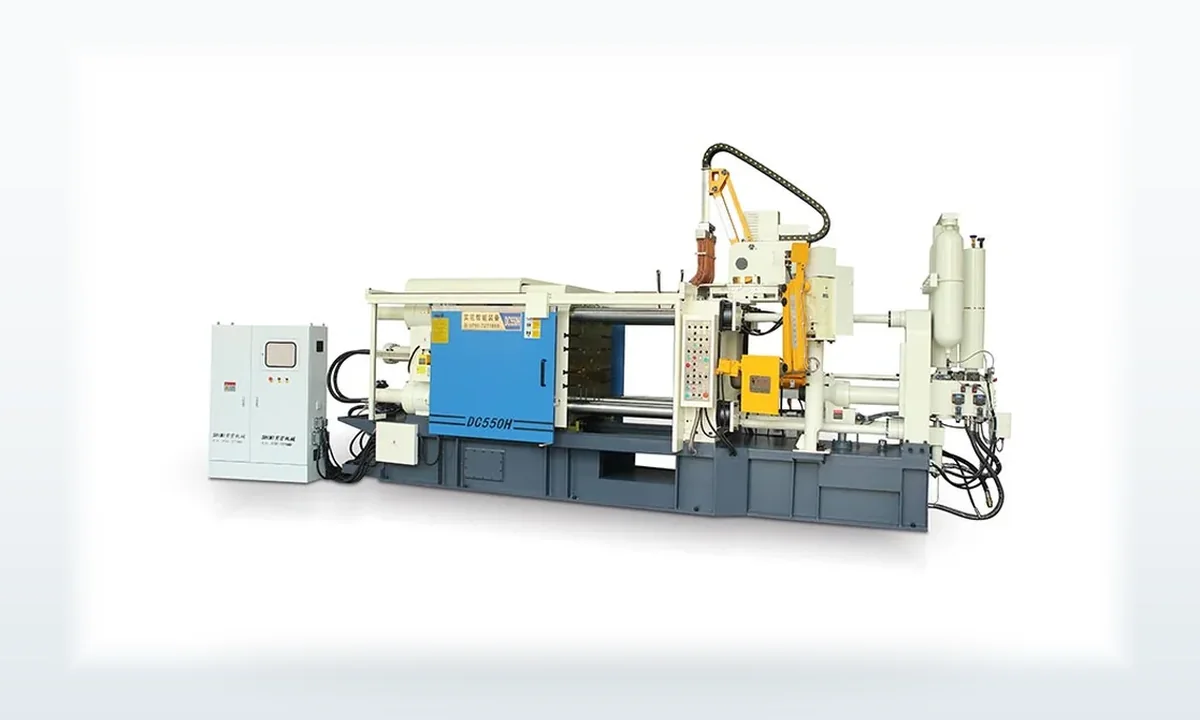
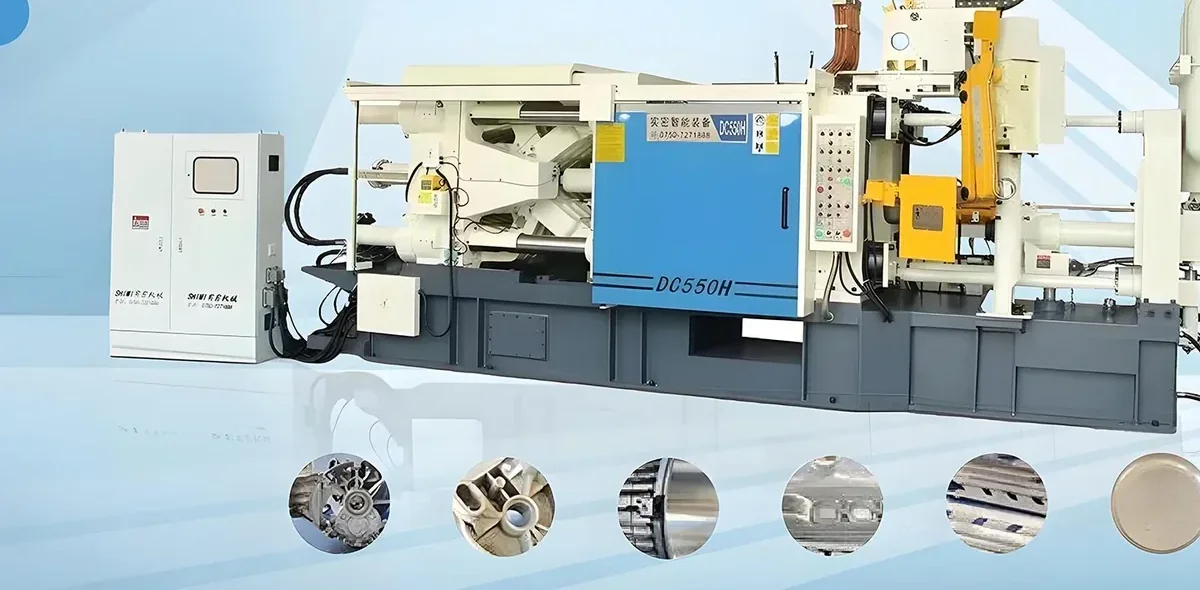
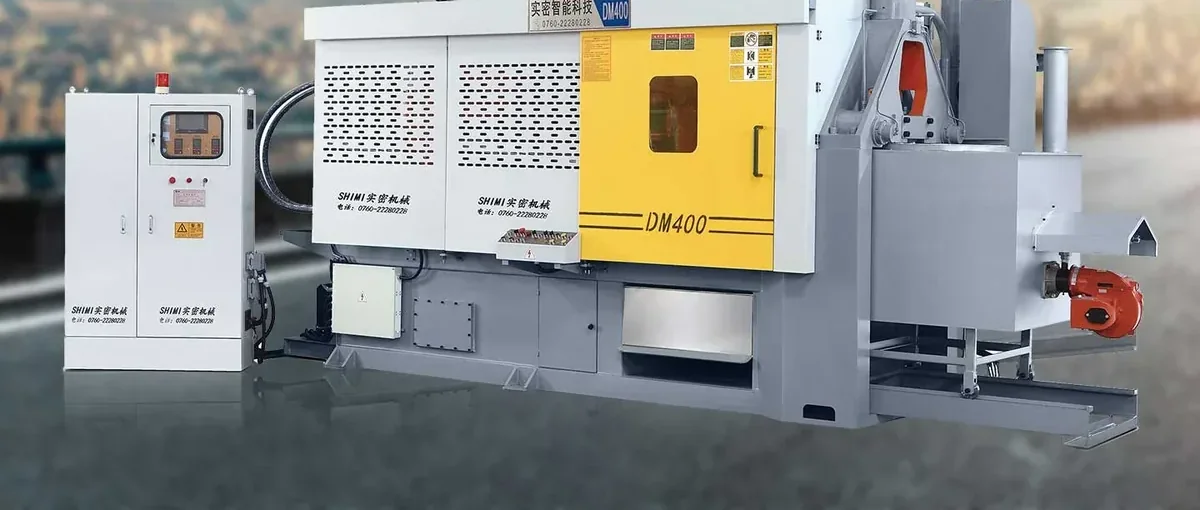
Cold chamber die casting machine route for aluminum and magnesium applications
ALUMINUM / MAGNESIUM ROUTECold Chamber Applications180–3000 ton listed range
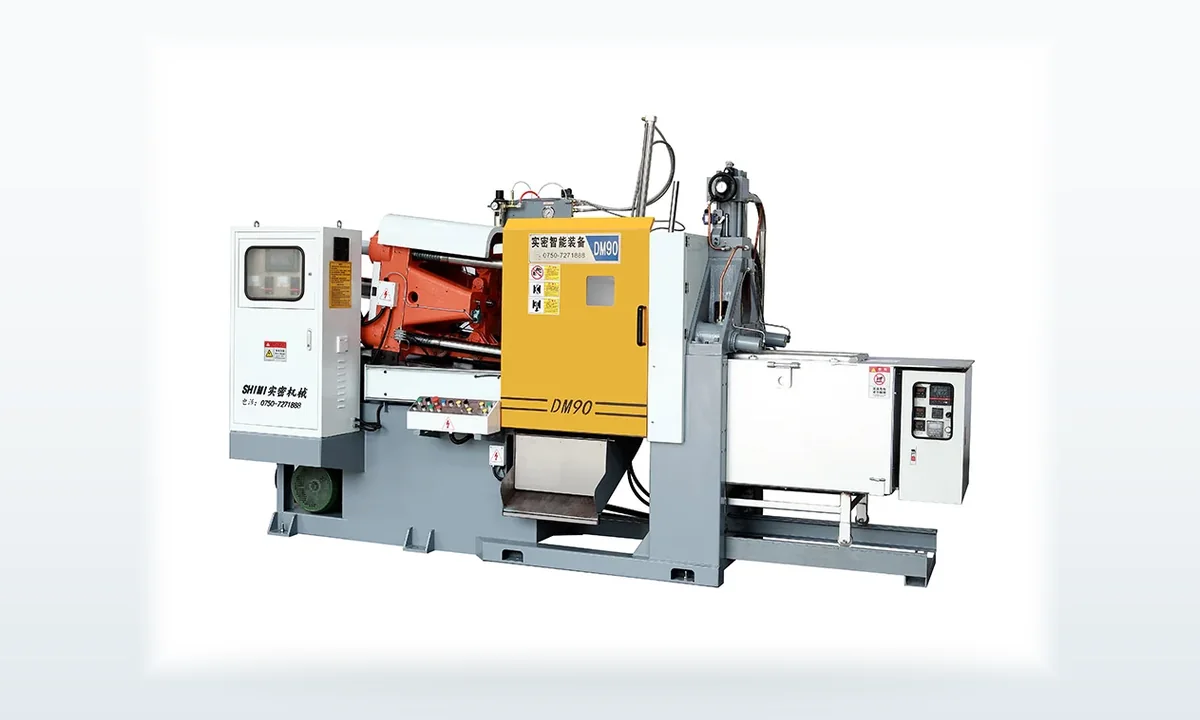
Hot chamber die casting machine route for zinc applications
ZINC ROUTEHot Chamber Applications38–168 ton listed range
The application selects the questions; verified project data selects the machine.
Direct answer

Die casting machines are commonly evaluated for repeat-production automotive, EV, motor, lighting, electronic, hardware, appliance, and industrial metal parts. The correct machine is not selected by industry name: verify the alloy, projected area, total shot demand, die envelope, injection requirement, quality plan, output target, automation, and plant interface.

See the six project gates

Application index / seven project families

Find the industry, then define the casting

Each application below is a procurement route, not a tonnage recommendation. Use it to identify typical parts, likely alloy and chamber direction, and the technical risks that must enter the RFQ.

02Power and motion

Motor and Gearbox Housings

Electric-motor housings, gearbox cases, end covers, pump bodies, transmission housings, and mounting structures.

Alloy direction
Commonly aluminum; the drawing and required mechanical, thermal, sealing, and machining performance control the alloy decision.
Machine route
Cold chamber
Buyer focus
Die envelope, bearing and seal interfaces, porosity control, cooling, machining datums, leak testing, and handling access.
Open motor & gearbox housing application
03Thermal management

LED Lighting Housings and Heat Sinks

Lamp bodies, heat sinks, driver enclosures, outdoor-lighting housings, brackets, covers, and thermal-management structures.

Alloy direction
Aluminum is the usual machine-screening route; small zinc fittings may require a separate hot chamber review.
Machine route
Cold chamber primary
Buyer focus
Thin walls, fin filling, thermal path, flatness, surface finish, coating, trimming, leak protection, and automated handling.
Open LED lighting & heat sink application
04Protection and precision

Electrical and Electronic Housings

Control housings, connector bodies, shielding enclosures, communication hardware, frames, covers, and mounting components.

Alloy direction
Aluminum for larger housings and heat management; zinc for compact parts requiring fine detail and stable assembly interfaces.
Machine route
Cold or hot chamber after alloy and part review
Buyer focus
Wall thickness, connector detail, EMI or thermal requirement, cosmetic class, coating allowance, flatness, and assembly fit.
Open electrical & electronic housing application
06Function and appearance

Appliance and Consumer Products

Appliance frames, handles, bases, brackets, control housings, decorative components, mechanisms, and consumer-product structures.

Alloy direction
Aluminum and zinc are both possible; material, size, visible finish, load, temperature, and production volume determine the route.
Machine route
Cold or hot chamber
Buyer focus
Cosmetic acceptance, repeatable assembly, inserts, parting line, coating, cavity count, handling damage, and packaging boundary.
Open appliance & consumer product application

Process gate / alloy first

Choose the chamber route before comparing models

The chamber process changes metal delivery, shot-end configuration, thermal control, peripheral scope, maintenance plan, and the machine families that can be screened. Confirm the actual alloy specification and operating condition before treating an application as cold or hot chamber.

Read the cold versus hot chamber guide
Cold chamber die casting application and machine reference
COLD CHAMBER / AL + MG

Separate metal dosing, broader aluminum machine range

Evaluate for aluminum and magnesium programs after confirming alloy handling, shot package, projected area, die clearance, injection requirement, and complete cell responsibility.

Compare cold chamber machines
Hot chamber zinc die casting application and machine reference
HOT CHAMBER / ZINC

Immersed injection path, compact repeat production

Evaluate for zinc parts after confirming projected area, total shot, die envelope, hot-end and furnace arrangement, temperature control, spares, and automated handling.

Compare hot chamber machines

Buyer comparison matrix

Do not compare application names without the process data

The matrix is an initial routing tool. A project can move to another chamber or machine range when its alloy, size, shot, die, quality, output, or plant constraints differ from the usual pattern.

Application familyCommon part directionLikely alloy routeInitial machine routeDecision risk
Automotive and EV ComponentsMotor and controller housings, brackets, covers, drivetrain cases, structural nodes, handles, locks, and small mechanisms.Aluminum or magnesium for larger lightweight housings; zinc for compact precision hardware.Cold chamber primary / hot chamber for selected zinc partsProjected area, pressure assumption, vacuum, die thermal balance, traceability, automation, and production validation.
Motor and Gearbox HousingsElectric-motor housings, gearbox cases, end covers, pump bodies, transmission housings, and mounting structures.Commonly aluminum; the drawing and required mechanical, thermal, sealing, and machining performance control the alloy decision.Cold chamberDie envelope, bearing and seal interfaces, porosity control, cooling, machining datums, leak testing, and handling access.
LED Lighting Housings and Heat SinksLamp bodies, heat sinks, driver enclosures, outdoor-lighting housings, brackets, covers, and thermal-management structures.Aluminum is the usual machine-screening route; small zinc fittings may require a separate hot chamber review.Cold chamber primaryThin walls, fin filling, thermal path, flatness, surface finish, coating, trimming, leak protection, and automated handling.
Electrical and Electronic HousingsControl housings, connector bodies, shielding enclosures, communication hardware, frames, covers, and mounting components.Aluminum for larger housings and heat management; zinc for compact parts requiring fine detail and stable assembly interfaces.Cold or hot chamber after alloy and part reviewWall thickness, connector detail, EMI or thermal requirement, cosmetic class, coating allowance, flatness, and assembly fit.
Hardware, Locks and HandlesLock bodies, latches, handles, knobs, hinges, decorative hardware, tool components, fittings, and small mechanisms.Zinc is a common candidate for compact detailed parts; larger aluminum hardware requires cold chamber screening.Hot chamber primary / cold chamber when the alloy or size requires itMulti-cavity layout, surface class, plating or coating, moving interfaces, insert loading, trimming, and high-volume automation.
Appliance and Consumer ProductsAppliance frames, handles, bases, brackets, control housings, decorative components, mechanisms, and consumer-product structures.Aluminum and zinc are both possible; material, size, visible finish, load, temperature, and production volume determine the route.Cold or hot chamberCosmetic acceptance, repeatable assembly, inserts, parting line, coating, cavity count, handling damage, and packaging boundary.
Industrial Housings and ComponentsPump and valve bodies, power-tool housings, machinery covers, brackets, equipment frames, pneumatic parts, and industrial enclosures.Often aluminum for larger housings; selected compact zinc components require hot chamber evaluation.Cold chamber primaryPressure or leak boundary, wall variation, machining stock, service loads, corrosion exposure, inserts, inspection, and cell flexibility.

No listed application, alloy, or machine route is a final process guarantee. Freeze the drawing, calculation basis, trials, acceptance evidence, and responsible parties in the approved project documents.

Application file / six release gates

Turn the part idea into a machine-selection record

A useful inquiry makes missing data visible. Complete every gate that is known, label assumptions, and ask suppliers to respond against the same technical and commercial boundary.

01

Part and alloy

Freeze the drawing revision, material, casting and runner weight, projected area, critical walls, inserts, and finish expectations.

02

Die and cavity plan

Record die dimensions and weight, cavity count, runner concept, slides, die thickness, opening requirement, and handling method.

03

Process window

Define pressure assumptions, fill and quality risks, vacuum, cooling, temperature control, trim method, and acceptance evidence.

04

Output and cell

State annual demand, target cycle, shifts, automation level, operator boundary, changeover, traceability, and scrap handling.

05

Plant interface

Confirm voltage, utilities, floor and pit limits, crane or forklift access, guarding, local standard, network, and maintenance space.

06

Commercial release

Normalize machine, options, peripherals, testing, documents, spares, packing, Incoterm, service, warranty, and exclusions.

Selection discipline

The smallest defensible machine is the one that passes every gate

A model should clear the calculated clamp demand, total shot requirement, available plunger package, tie-bar opening, platen and die thickness, opening and ejector movement, injection duty, handling access, automation interfaces, utilities, and quality plan together.

Do not add arbitrary tonnage merely because the part belongs to a demanding industry. Record the pressure basis and margin, then identify the real limiting condition.

Open the machine RFQ checklist
APPLICATION REVIEW LEDGERONE BASIS / ALL SUPPLIERS
Clamp

Projected area × cavity pressure basis + stated operating margin

Shot

Casting + runner + overflow + process allowance against the selected plunger package

Die

Tie bars, platen, thickness, opening, ejector, weight, movement, service access

Cell

Metal, spray, extraction, cooling, trim, inspection, guarding, data, scrap

Plant

Voltage, water, air, foundation, route, crane, network, local standard, support

Methodology and technical sources

Use application evidence to define the RFQ—not to guess the machine

Luxue organizes these application guides around alloy and chamber route, projected area and pressure basis, complete shot demand, die envelope, process and quality controls, cell scope, and plant interfaces. The cited industry sources help define the process and product context. The approved drawing, calculation, die review, trials, standards, and written acceptance plan remain controlling for every purchase.

Die casting application FAQ

Answers before you request a machine

These answers support initial application screening. The approved project calculation, technical specification, trial, and quotation remain the controlling records.

Q01Which applications are suitable for high-pressure die casting machines?

High-pressure die casting is commonly evaluated for repeat-production metal components that benefit from a reusable steel die, controlled filling, dimensional repeatability, integrated features, and an efficient production cycle. This page covers automotive and EV parts, motor and gearbox housings, LED lighting bodies, electrical housings, hardware, appliance parts, and industrial components. Suitability still depends on alloy, geometry, wall thickness, required properties, quality criteria, tooling strategy, annual volume, and downstream operations.

Q02Does the application name determine the required machine tonnage?

No. Automotive, lighting, hardware, or industrial labels provide context but do not calculate clamping force. Initial tonnage screening requires total projected area, the expected cavity-pressure basis, and an operating margin. The same application must also pass shot capacity, tie-bar spacing, platen size, die thickness, opening stroke, injection performance, and production-cell checks.

Q03How do I choose between a cold chamber and hot chamber die casting machine?

Begin with the alloy and process. Cold chamber machines are the normal screening route for many aluminum and magnesium applications because metal is dosed into a separate shot sleeve. Hot chamber machines keep the injection system immersed and are commonly evaluated for zinc parts. Part size, total shot, die envelope, quality requirements, hot-end configuration, production target, and plant scope must then be checked.

Q04What information should I send for an application-based machine recommendation?

Send the 2D or 3D part drawing, alloy, casting and runner weight, total projected area if known, cavity count, die dimensions and weight, critical wall thickness, quality and surface requirements, annual volume, target cycle, voltage, destination, available utilities, and requested automation. Mark unknown inputs instead of silently estimating them.

Q05Can one machine produce parts for several industries?

A machine can support different programs when every die, shot, injection, alloy, quality, and cell requirement remains inside the approved operating envelope. Industry names do not establish interchangeability. Review die changeover, shot-package range, furnace and metal handling, automation flexibility, recipe control, maintenance access, and the most demanding approved project before planning a multi-product machine.

Q06When should vacuum and automation be included?

Vacuum should be reviewed when the part, wall, flow path, downstream heat treatment, leak requirement, or quality plan makes air evacuation important. Automation should be defined operation by operation: metal delivery, spray, extraction, cooling, conveying, trimming, marking, inspection, and scrap handling. The quotation must identify cycle assumptions and who supplies, integrates, tests, and supports each interface.

Q07Can Luxue recommend a machine from only a finished-part photo?

A photograph can start the discussion but is not enough for a defensible model release. It does not reliably provide projected area, runner weight, alloy, internal walls, die size, cavity count, pressure assumptions, critical quality requirements, or plant constraints. Submit the drawing and available die or production data, then identify what remains unknown for the preliminary review.

Application-based machine request

Send the casting, die, output, and plant data together

A part drawing is the fastest starting point. Add what you know, mark what is missing, and separate required scope from optional equipment.

  1. 01
    Casting

    Drawing, alloy, weight, projected area, wall, quality, finish, machining, inspection.

  2. 02
    Die

    Cavities, dimensions, weight, slides, thickness, opening, runner, thermal concept.

  3. 03
    Production

    Annual volume, target cycle, shifts, automation, traceability, changeover, scrap route.

  4. 04
    Site and order

    Voltage, utilities, route, local standard, destination, timing, testing, documents, service.

Get a Quote WhatsApp