Q01Which die casting process is normally used for industrial housings?
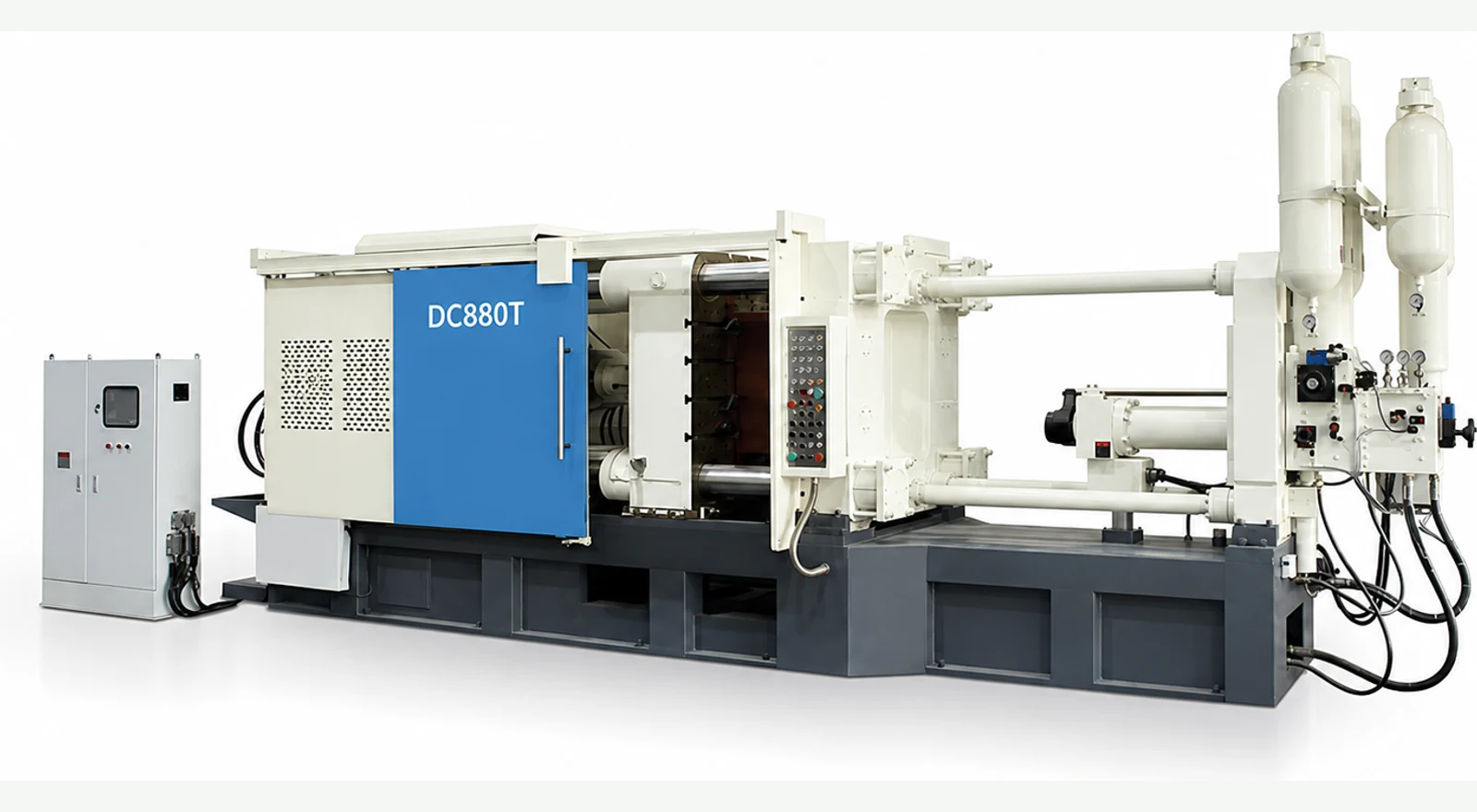
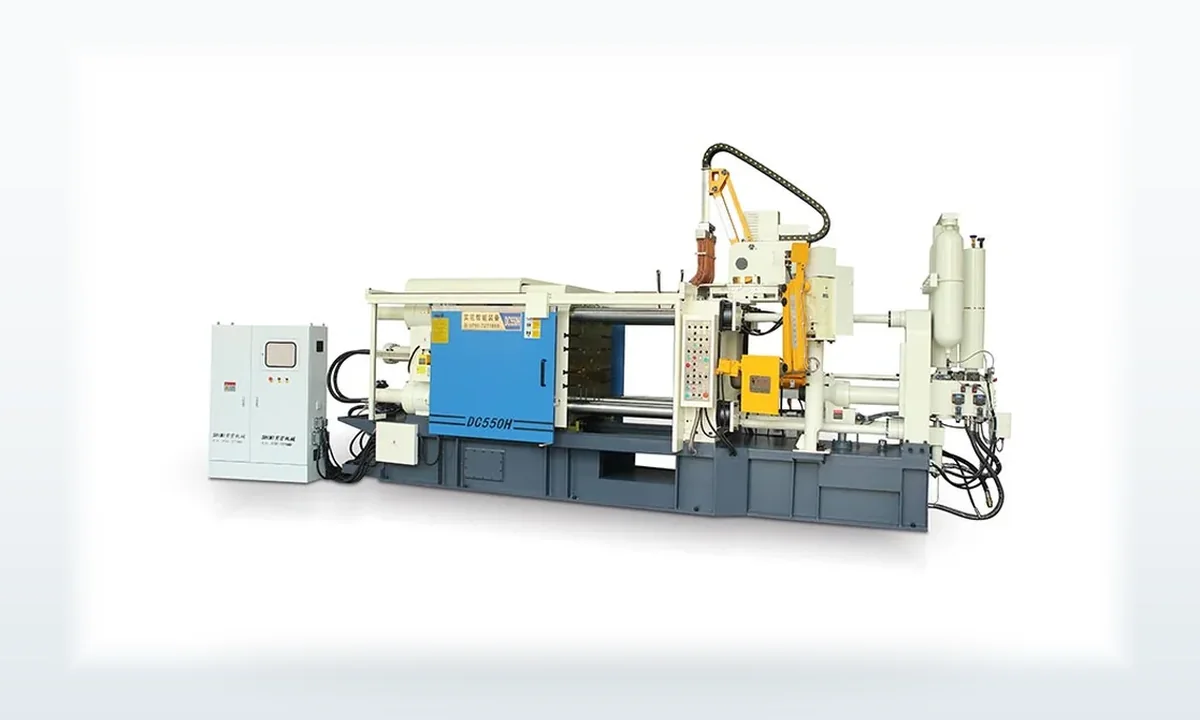
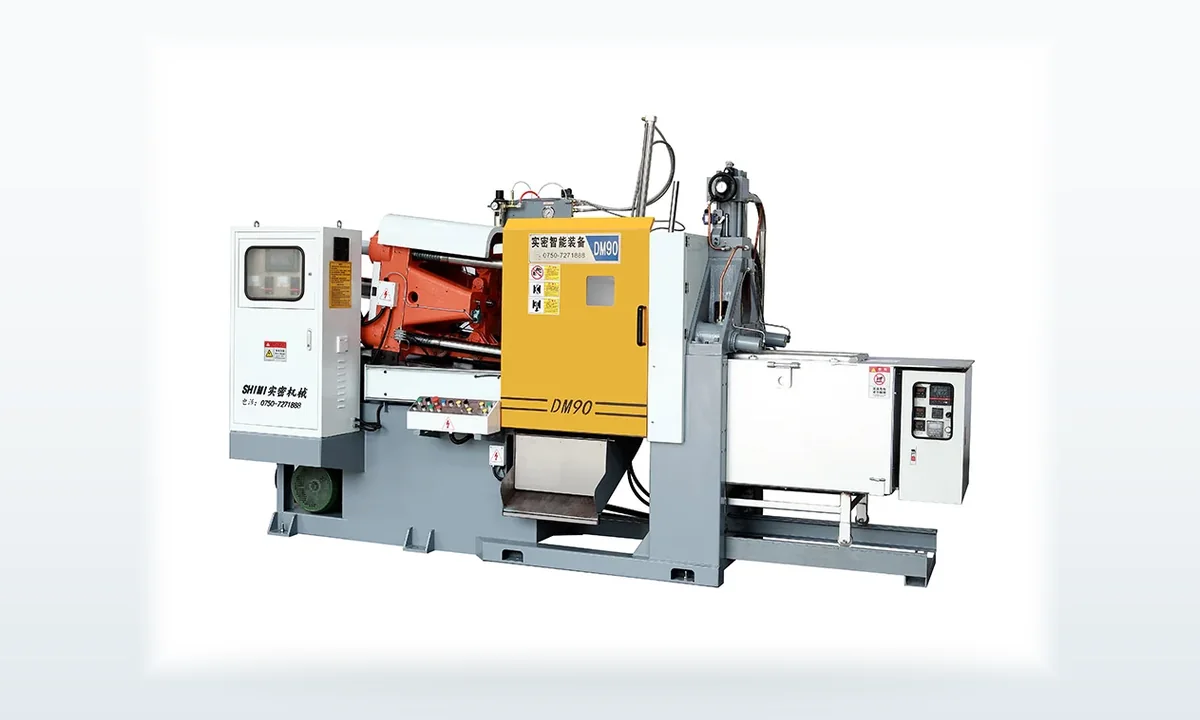
Larger aluminum industrial housings, motor or gearbox structures, pump and valve bodies, frames, and brackets normally begin with cold chamber machine screening. Compact zinc control housings, pneumatic components, precision hardware, small mechanisms, and detailed industrial parts can begin with hot chamber review. The final route depends on alloy, size, load, temperature, media, pressure boundary, finish, shot, die, volume, and lifecycle economics.
Q02How is machine tonnage selected for an aluminum industrial housing?
Calculate total projected area for all cavities and runners using an approved cavity-pressure basis, then document margin. Verify complete shot demand, plunger package, die envelope, injection duty, thermal balance, venting or vacuum, extraction, trim, machining, leak or proof-test boundary, automation, utilities, and acceptance. Tonnage alone is not a machine specification.
Q03Can zinc hot chamber die casting be used for pneumatic components?
It can be suitable for selected alloys and designs. The International Zinc Association documents a pressure-die-cast modular pneumatic base plate selected for complex shape, dimensional precision, machining, surface treatment, and air tightness in its stated application. A new project still requires its own material review, pressure and temperature limits, media compatibility, sealing design, machining plan, validation, and machine calculation.
Q04Does a die-cast body automatically meet a pressure or leak requirement?
No. Performance depends on alloy, geometry, wall transitions, gating and venting, process window, porosity distribution, machining depth, sealing lands, plugs and inserts, surface treatment, assembly, proof or leak method, conditioning, sampling, and acceptance. Define whether the requirement applies to the raw casting, machined casting, assembled component, or complete system.
Q05How should porosity be specified for an industrial housing?
Tie porosity acceptance to function and location. Mark pressure boundaries, machined passages, sealing lands, structural zones, cosmetic areas, and prohibited breakthrough. Specify the approved inspection or test method, sensitivity, sample level, sectioning or CT rules if used, reference standards, interpretation, disposition, and reaction plan. A universal percent-porosity limit rarely represents every zone.
Q06What data is required for an industrial housing machine review?
Provide 2D and 3D data, alloy, casting and runner weight, projected area, walls, cavities, die size and weight, slides, cores, inserts, datums, machining, media, pressure and temperature, loads, seals, corrosion system, annual demand, cycle, automation, tests, applicable standards, plant conditions, destination, and launch schedule. Mark assumptions and responsibility boundaries.
Q07What is the difference between FAT and SAT for the die casting cell?
Factory acceptance testing checks the agreed machine and cell functions at the supplier or integrator site using the approved test plan and available utilities, tooling, materials, and interfaces. Site acceptance testing verifies the installed system under the buyer’s plant conditions and agreed production configuration. Scope, prerequisites, sample product, duration, performance metrics, safety checks, documents, exceptions, and sign-off should be written before purchase.
Q08What should buyers compare in quotations for industrial die casting equipment?
Normalize product and alloy basis, clamp calculation, shot configuration, die limits, injection controls, thermal and vacuum scope, hot end or metal delivery, extraction, trim, machining and test boundary, automation, quality evidence, utilities, safety, data, FAT, SAT, documentation, spares, installation, training, service, warranty, exclusions, and lifecycle capacity. Compare one controlled scope rather than headline price.