Projected area and clamp
Calculate the total area exposed to cavity pressure, including runners, overflows, and relevant slides. Record the pressure assumption and operating margin.

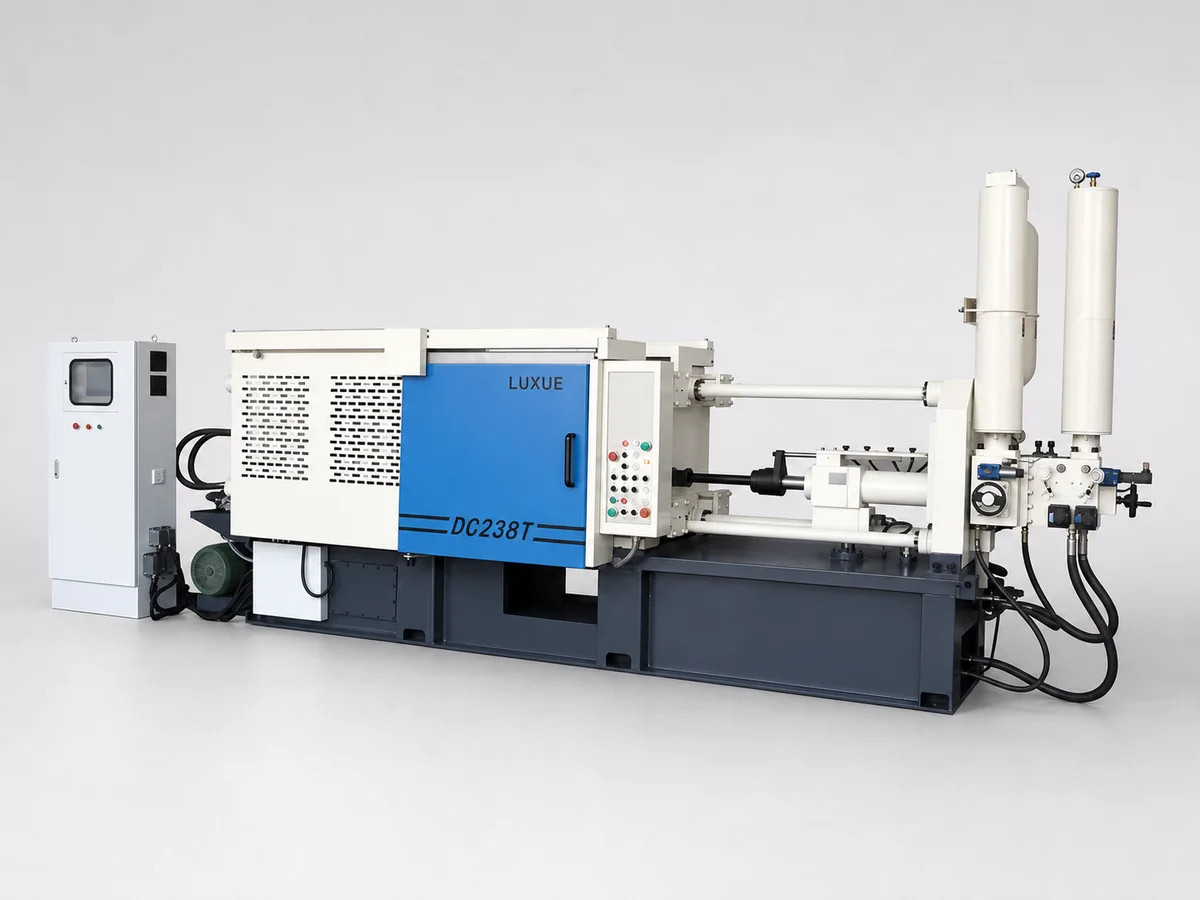
DC238T / Standard cold chamber platform
The DC238T is a 2,380 kN cold chamber die casting machine for initial screening of aluminum and magnesium projects. Its three listed plunger packages must be selected together with projected area, required pressure, complete shot demand, die envelope, and production-cell scope.
Current published DC238T screening data | Reviewed August 9, 2026 by Cathy, Director
Four-gate model approval
A model is suitable only when it passes every gate with the project assumptions documented. A successful shot-weight check does not prove clamp or die fit.
Calculate the total area exposed to cavity pressure, including runners, overflows, and relevant slides. Record the pressure assumption and operating margin.
Add all cavities, runners, biscuit, overflows, and process allowance. Compare the result with the selected aluminum or magnesium shot package.
Confirm die width, height, thickness, weight, mounting, opening, ejection, core pulls, lifting route, and service access against the actual layout.
Match pressure, speed stages, plunger, shot sleeve, furnace, ladler, sprayer, extractor, trimming, cooling, safety, and automation interfaces.
Shot-end configuration matrix
The published combinations change shot weight, intensification pressure, and casting area together. Select from the actual part and process requirement, not the largest capacity alone.
Separate clamp check: the published maximum casting area is 620 cm², but this is not an unconditional part-size approval. Required area depends on cavity pressure, projected geometry, alloy, quality target, and the engineering margin used for the project.
DC238T technical register
Use these current published values for initial technical and purchasing review. Confirm every project-sensitive item in the signed quotation and technical agreement.
Clamping and die
Injection and shot end
Power and installation
Technical reference: current published DC238T product data, reviewed August 9, 2026 by Cathy, Director | *Confirm the injection-position datum and range in the project drawing | Final quotation, approved layout, interface drawings, and signed technical agreement take precedence.
Published manufacturer reference: ShiMi DC238T Standard Cold Chamber Die Casting Machine. Use this public record to cross-check the web summary; approved supplier drawings and the signed technical agreement govern the final configuration.
System inspection file
The images are cleaned configuration references based on supplied and published machine visuals. They contain no Chinese product text and do not define included component brands.
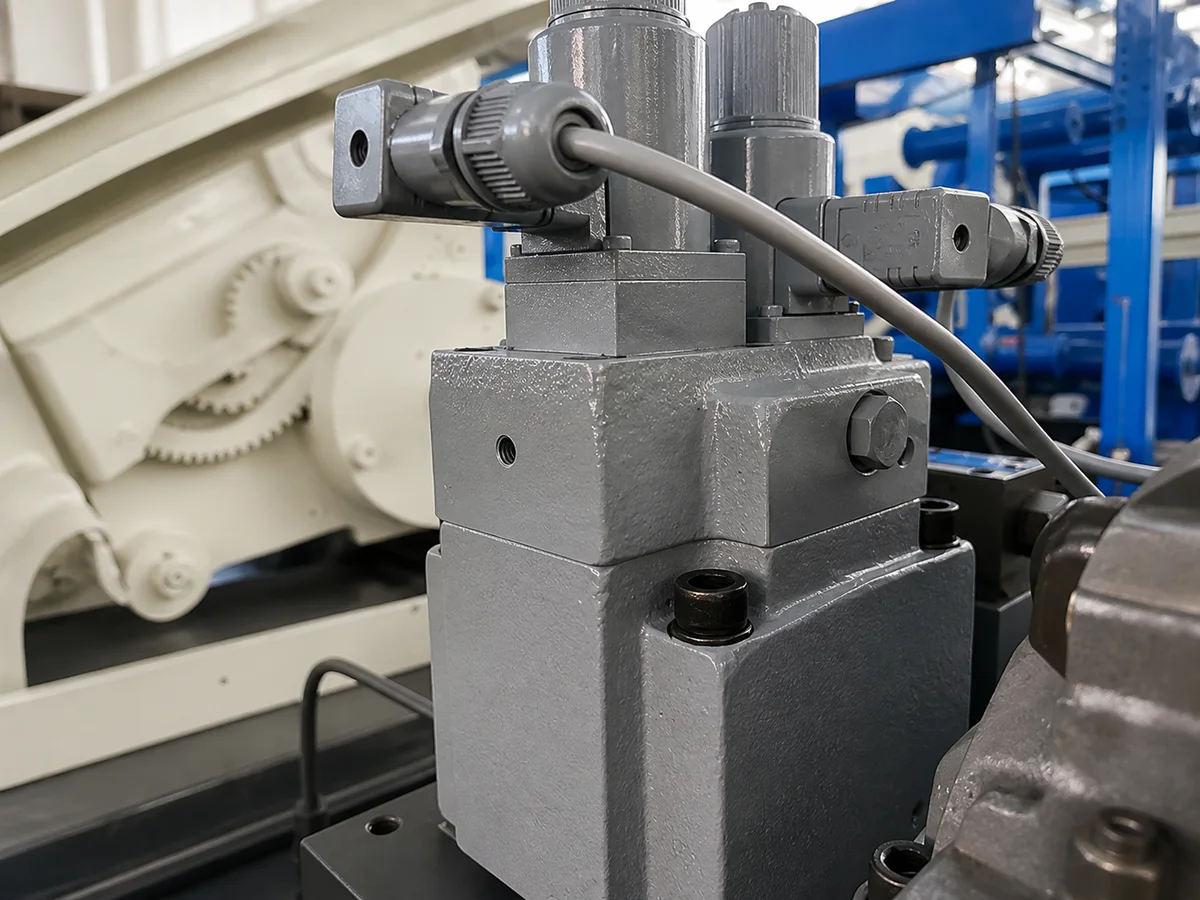
Confirm how pressure and speed settings are controlled, which hydraulic brands are quoted, how oil temperature is managed, and which diagnostic information is available to maintenance staff.
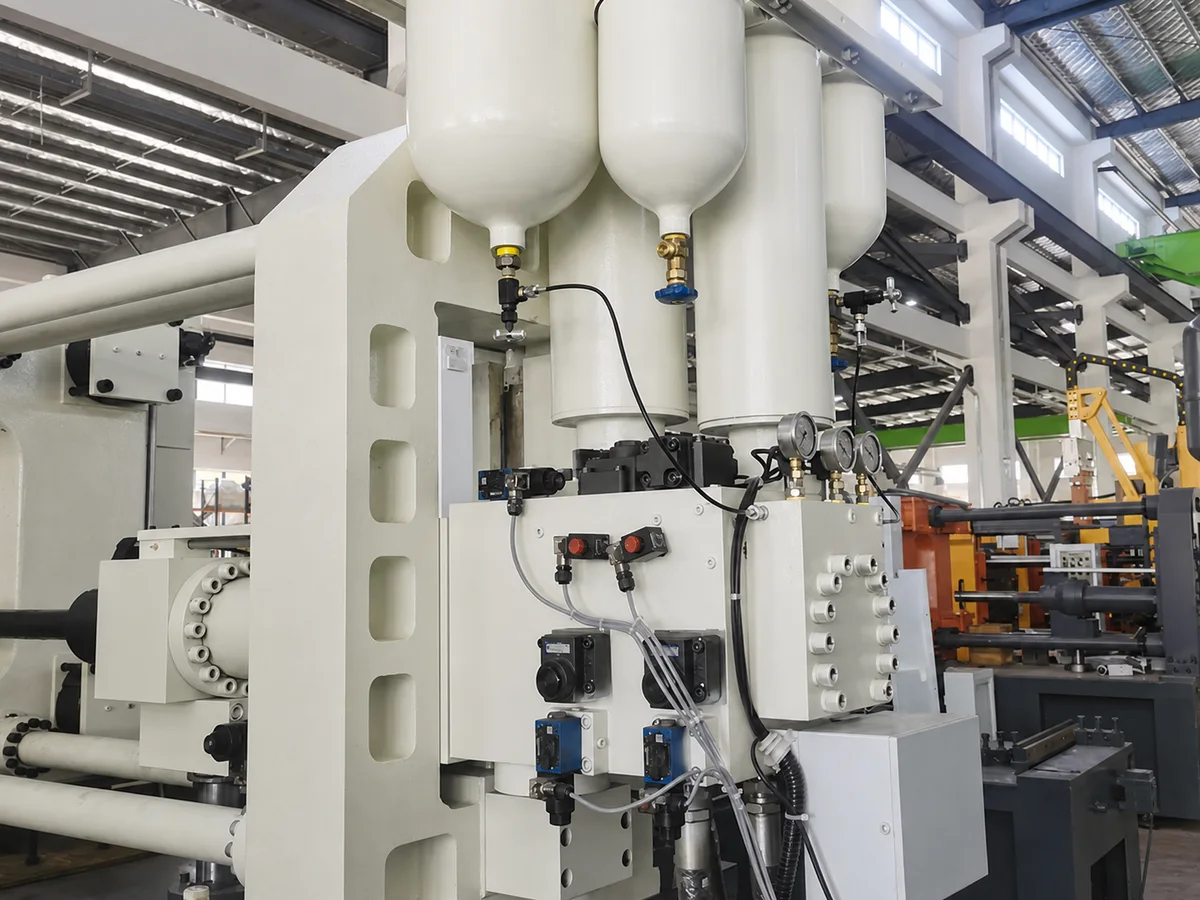
The published configuration describes separate high-speed and intensification accumulators. Ask the technical agreement to define injection stages, pressure response, gauges, safety checks, and acceptance method.
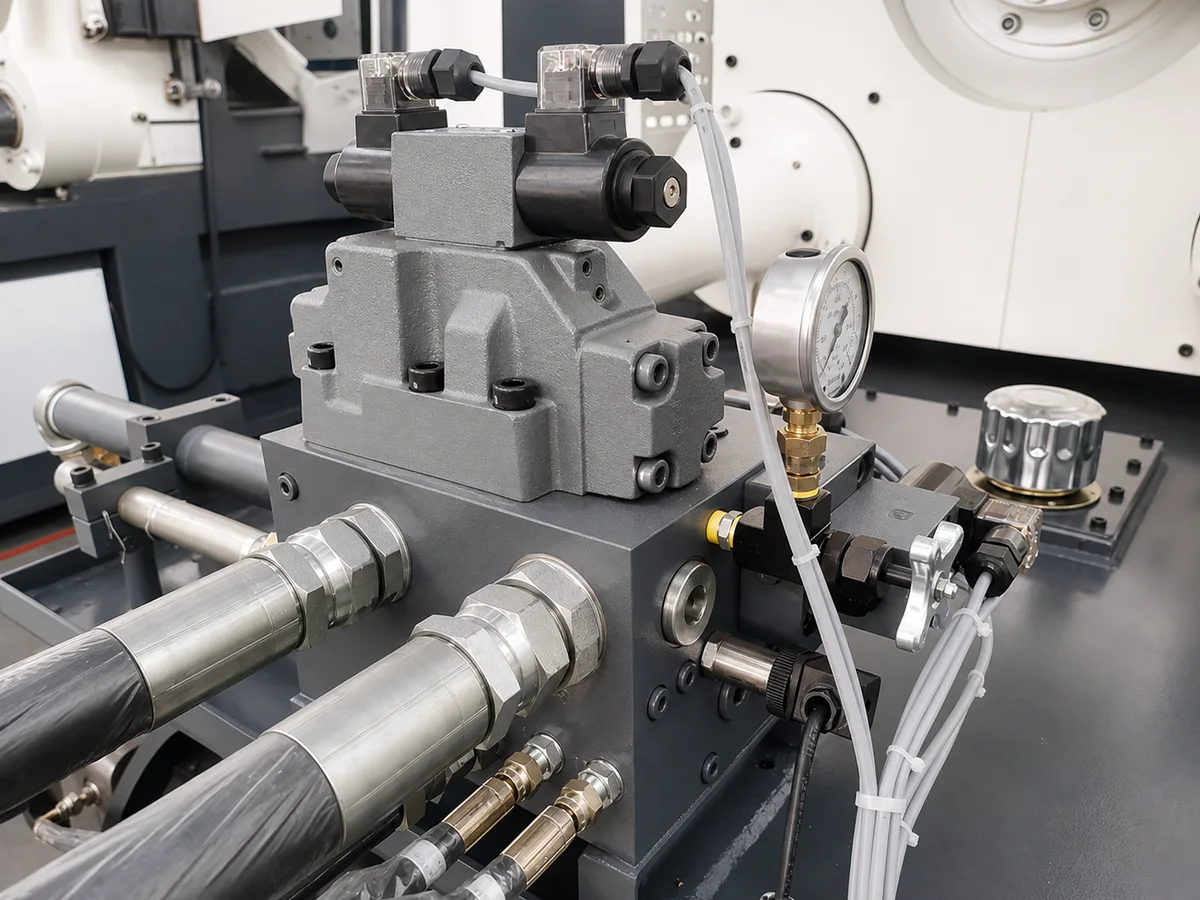
Record component brands, core-pull groups, filtration, oil specification, service access, recommended spares, and the documents supplied for troubleshooting and preventive maintenance.
Published system description
The current product description outlines the intended machine systems. Procurement should turn each statement into an agreed configuration, inspection item, or document deliverable.
Review the machine RFQ checklist ->Confirm tie-bar material and treatment, multistage clamp settings, low-pressure die protection, balanced hydraulic ejection, centralized lubrication alarms, and platen cooling-water connections.
Confirm separate accumulator functions, electro-proportional slow-shot control, selectable injection stages, published speed range, pressure response, injection position, and repeatability test method.
Define standard and optional core-pull groups, differential regeneration circuit, filtration, oil grade, operating temperature, component makes, spares, and safe pressure-release procedure.
Confirm controller and HMI make, language, recipe capacity, data access, voltage and frequency, cabinet cooling, safety circuit, automation I/O, remote support, and electrical documentation.
Quotation boundary
The same DC238T model can produce very different quotations when the shot-end package, holding furnace, ladler, sprayer, extractor, conveyor, trim equipment, release-agent system, cooling, guarding, documentation, testing, and service scope are not aligned.
Drawings, alloy, complete shot, projected area, cavity count, die envelope, weight, mounting, ejection, core pulls, and quality targets.
Target cycle, annual volume, shifts, OEE assumptions, scrap target, automation level, changeover needs, and inspection plan.
Layout, floor loading, lifting and die handling, voltage, cooling, compressed air, extraction, safety standard, and maintenance clearance.
Included equipment, options, startup and operating spares, FAT, training, manuals, packing, destination terms, warranty, service, and exclusions.
DC238T buyer answers
These answers help purchasing, tooling, and process teams separate initial model screening from final engineering confirmation.
The DC238T is an initial candidate for aluminum or magnesium castings whose projected-area calculation, complete shot demand, and die envelope fit the listed 2,380 kN clamp, 530 x 530 mm tie-bar spacing, 200-670 mm die-thickness range, and selected 50, 60, or 70 mm plunger package. Part weight or nominal tonnage alone cannot confirm the model.
The current published data lists 2,380 kN clamping force, 400 mm clamping stroke, 170 kN ejecting force, 100 mm ejection stroke, 820 x 820 mm platen size, 530 x 530 mm tie-bar spacing, 300 kN injection force, 390 mm injection stroke, 15 kW motor power, and an approximate 8.5 ton machine weight.
Match the complete metal demand and required intensification pressure together. The published combinations pair 50, 60, and 70 mm plungers with different aluminum and magnesium shot weights, casting pressures, and casting areas. A larger plunger raises shot capacity but lowers the listed intensification pressure, so it should not be selected from weight alone.
Calculate the total projected area of all cavities, runners, overflows, and slides exposed to cavity pressure, multiply by the agreed cavity-pressure assumption, and apply the required operating margin. Compare that result with 2,380 kN separately from the shot-weight and die-fit checks.
Compare the DC180T when the project fits its smaller clamp, die opening, and shot package. Move to the DC300T or DC400T when the projected-area calculation, complete shot, die clearance, injection requirement, automation, or service layout crosses a documented DC238T limit.
Send the alloy, part drawing, net casting and runner weight, projected area, cavity count, die dimensions and weight, target cycle, annual quantity, voltage, destination, automation, furnace and dosing method, safety standard, documentation, testing, packing, and spare-parts requirements. Final signed quotation and technical documents take precedence over web data and reference images.
DC238T casting and cell inquiry
Send one evidence set so engineering and purchasing can review machine capacity, interfaces, options, exclusions, and delivery scope together.
Alloy, drawing, complete shot weight, projected area, cavities, quality targets.
Overall dimensions, thickness, weight, opening, mounting, ejection, cooling.
Cycle target, annual volume, shifts, automation, furnace and finishing scope.
Voltage, utilities, floor plan, access, safety standard, destination, documents.