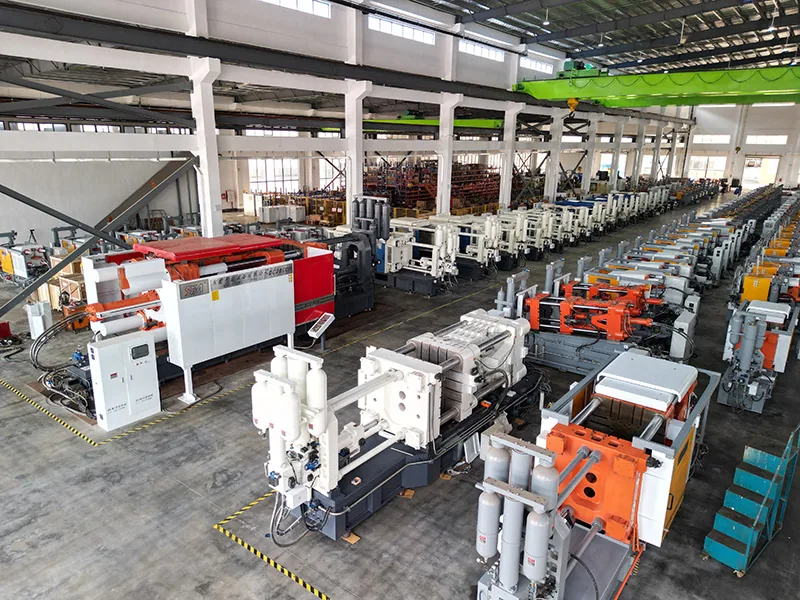
Hot chamber die casting machine operating in a zinc casting production area
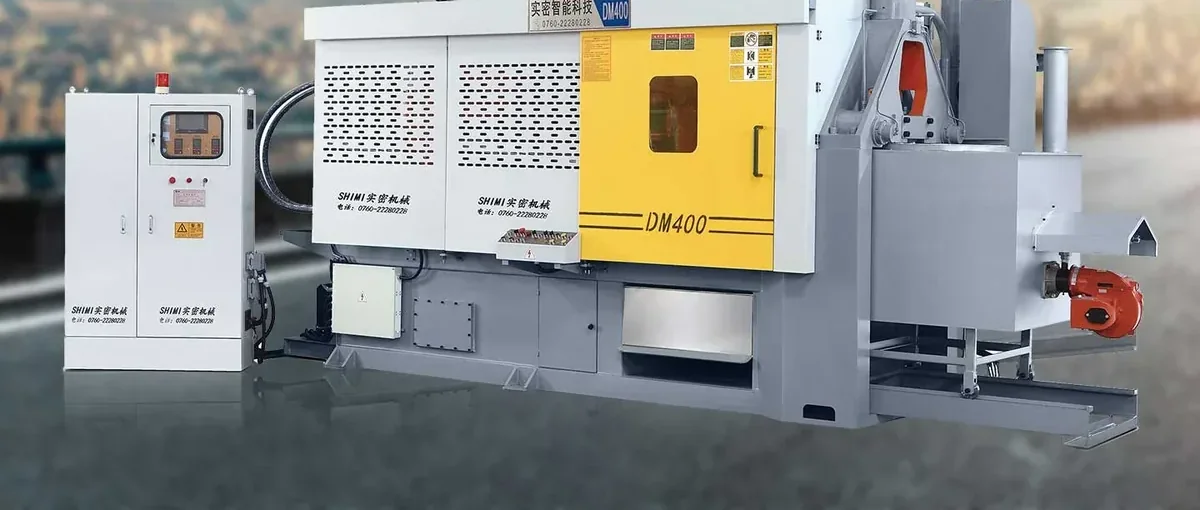
Representative zinc hot chamber production setup. Confirm the final machine, hot end, furnace, and automation scope in the quotation.

Zinc alloys | 38 to 168 tons

Hot Chamber Die Casting Machines

Compare five hot chamber die casting machine models for zinc components. Your shortlist should pass the alloy, projected-area, shot-weight, die-envelope, hot-end, and production-scope checks before price becomes the deciding factor.

5 modelsDM38T to DM168T
0.7-2.86 kglisted zinc shot range
380-1,680 kNclamping-force range
Request a Model Check
Direct answer

A hot chamber die casting machine is commonly selected for zinc because its immersed injection system feeds metal directly through the gooseneck and nozzle. Choose the model only after confirming clamping force, shot capacity, die fit, hot-end configuration, and the output assumptions used in the quotation.

First purchasing decision

Confirm the Process Fit Before Comparing Tonnage

The fastest way to avoid an unsuitable shortlist is to decide whether the alloy and production route belong in a hot chamber process.

The immersed gooseneck and integrated metal delivery system reduce the separate handling steps associated with ladling. That benefit only matters when your alloy, die, hot-end components, furnace conditions, and maintenance plan are compatible with the process.

Consider hot chamber when

Your program is based on a compatible zinc alloy

  • The zinc grade and metal temperature are defined
  • The part and runner fit the available shot package
  • The die fits the tie bars, platens, and thickness range
  • Hot-end maintenance and spare parts are planned
Recheck the process when

The alloy or die falls outside the hot chamber envelope

Aluminum programs normally require cold chamber equipment. A very large die, higher shot demand, unusual alloy, or incompatible hot-end condition also requires a different machine review. Do not force the part into this range because a nearby tonnage appears economical.

Ask for a process-fit review

Five-model zinc machine range

Compare Hot Chamber Die Casting Machine Models

Use the model ladder for initial screening. Each step adds clamping force and die capacity, but shot weight does not increase at the same rate on every model because the available injection package also changes.

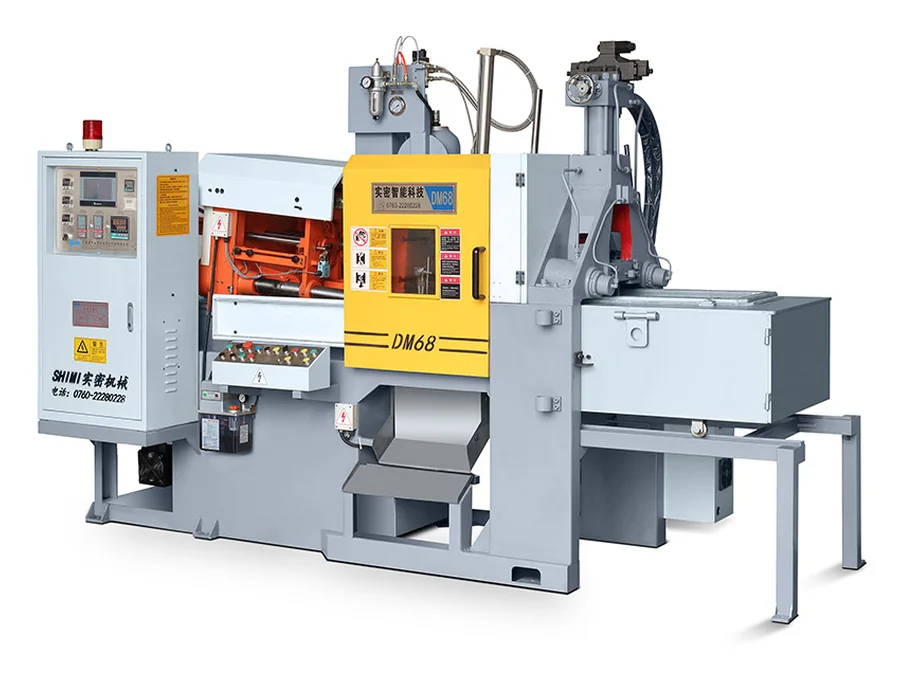
Representative hot chamber die casting machine for the DM38T size range01
38 ton

38 Ton Zinc Hot Chamber Die Casting Machine

DM38T

Compact zinc machine candidate for smaller dies and lower projected-area demand.

Compact-series reference image
Clamping force
380 kN
Zinc shot weight
0.7 kg
Tie-bar spacing
300 x 280 mm
Die thickness
120-300 mm
View DM38T specifications
Representative hot chamber die casting machine for the DM50T size range02
50 ton

50 Ton Zinc Hot Chamber Die Casting Machine

DM50T

Compact zinc machine with more clamping force and die-thickness capacity than the 38 ton model.

Compact-series reference image
Clamping force
500 kN
Zinc shot weight
0.9 kg
Tie-bar spacing
300 x 300 mm
Die thickness
120-330 mm
View DM50T specifications
Representative hot chamber die casting machine for the DM68T size range03
68 ton

68 Ton Zinc Hot Chamber Die Casting Machine

DM68T

Compact-range zinc machine with wider tie-bar spacing for a larger die envelope.

Compact-series reference image
Clamping force
680 kN
Zinc shot weight
0.9 kg
Tie-bar spacing
360 x 320 mm
Die thickness
120-330 mm
View DM68T specifications
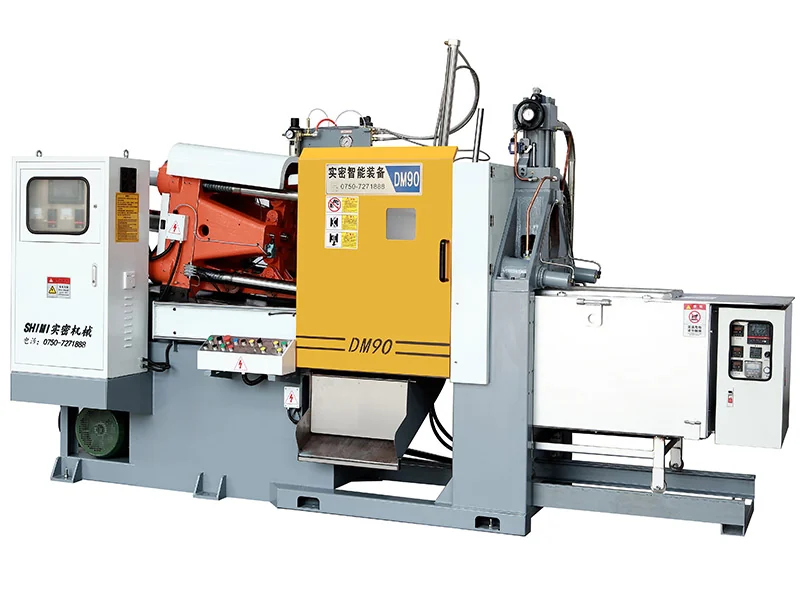
Representative hot chamber die casting machine for the DM90T size range04
90 ton

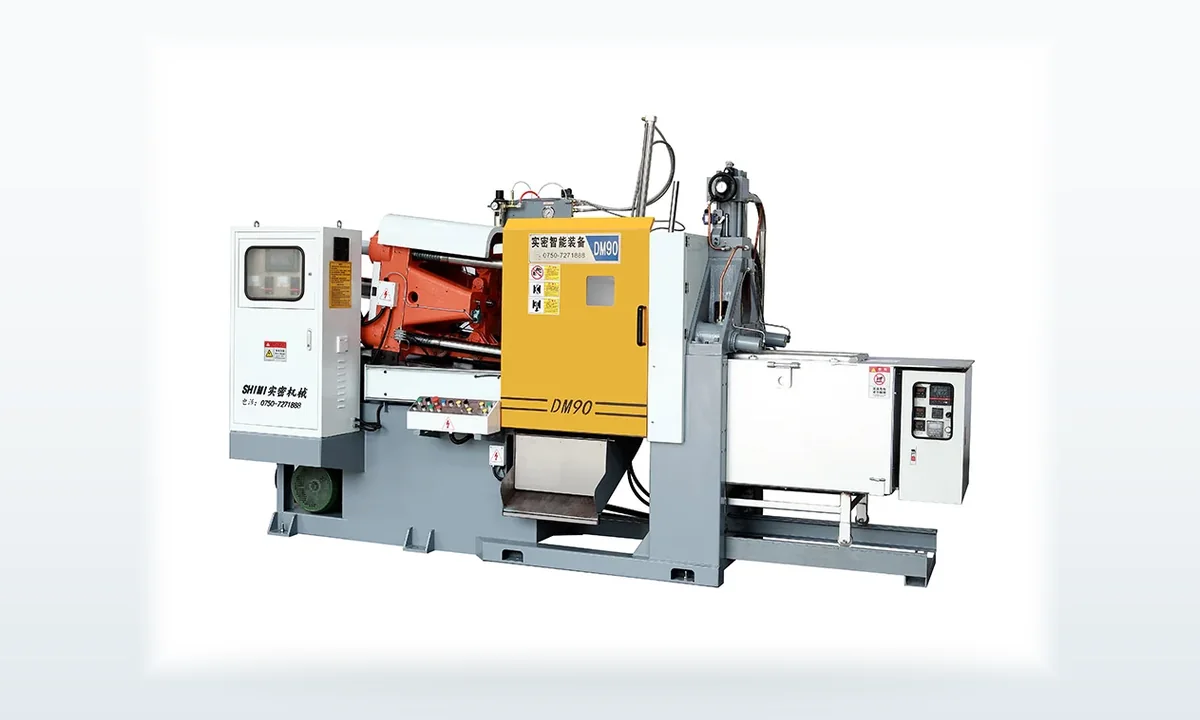
90 Ton Zinc Hot Chamber Die Casting Machine

DM90T

Mid-range zinc machine with a larger die envelope and multiple listed shot packages.

Reinforced-series reference image
Clamping force
900 kN
Zinc shot weight
1.0 / 1.26 / 1.53 kg
Tie-bar spacing
400 x 400 mm
Die thickness
130-430 mm
View DM90T specifications
Representative hot chamber die casting machine for the DM168T size range05
168 ton

168 Ton Zinc Hot Chamber Die Casting Machine

DM168T

Largest listed zinc machine in this range for larger dies and higher total shot demand.

Reinforced-series reference image
Clamping force
1,680 kN
Zinc shot weight
2.1 / 2.4 / 2.86 kg
Tie-bar spacing
486 x 486 mm
Die thickness
200-520 mm
View DM168T specifications

Published parameters are based on the supplied hot chamber machine brochure. Machine dimensions marked with an asterisk in the source data are approximate. Confirm the shot package, gooseneck, nozzle, furnace, controls, electrical standard, and optional equipment in the quotation.
Specification source: supplied product brochure | Updated August 8, 2026 | Reviewed by Cathy, Director

Buyer selection sequence

Use Six Checks to Build a Defensible Shortlist

Each check answers a different purchasing risk. Record the input, the assumption used, and the margin applied so your technical comparison can be reviewed later.

01

Projected area

Calculate total projected area for all cavities, runners, and overflows, then apply the expected cavity pressure and operating margin.

02

Total shot demand

Include castings, runners, overflows, and process allowance. Compare the result with the specific shot package, not a generic model label.

03

Die envelope

Verify tie-bar clearance, platen size, die thickness, opening stroke, ejector arrangement, die weight, and handling access.

04

Alloy and furnace

Define the zinc alloy, operating temperature, furnace arrangement, melt-management responsibility, and temperature-control points.

05

Hot-end package

Match the gooseneck, nozzle, plunger, heating, and sensing hardware to the selected shot package and maintenance practice.

06

Cell responsibility

Assign the sprayer, extractor, conveyor, trim, cooling, guarding, controls, utilities, installation, and commissioning scope.

Process and maintenance logic

How Hot Chamber Injection Changes Your Buying Checklist

The injection gooseneck remains immersed in the molten zinc. When the plunger moves, metal travels through the gooseneck and heated nozzle into the closed die. After pressure holding and solidification, the die opens for ejection and the next cycle.

Because the furnace and injection path are integrated, you should evaluate the machine and hot end as one system. Temperature stability, nozzle alignment, gooseneck condition, plunger wear, sensing, and spare-part access can affect uptime even when the clamping unit is correctly sized.

Define the Hot-End Scope
Zinc components produced by the hot chamber die casting process
Part examples help define the application, but the drawing, runner system, die, and production target determine the machine selection.

Hot-end configuration and spares

Specify the Components That Keep Metal Delivery Stable

A low machine price can hide a thin startup-spares scope. Ask each supplier to identify the exact hot-end parts included with the machine and the recommended operating spares for your maintenance plan.

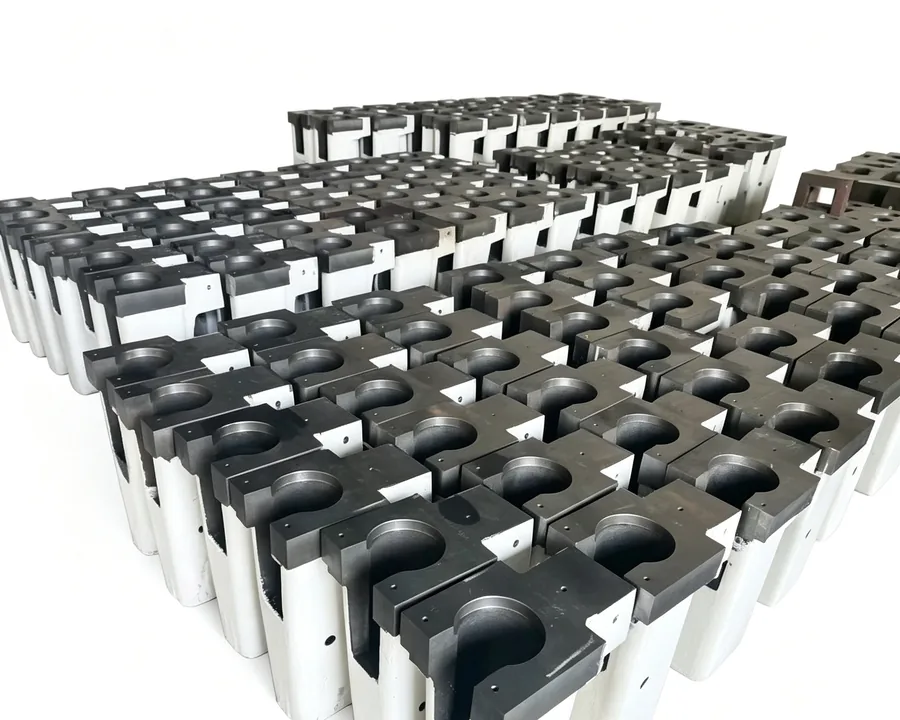
Goosenecks for zinc hot chamber die casting machines

Gooseneck

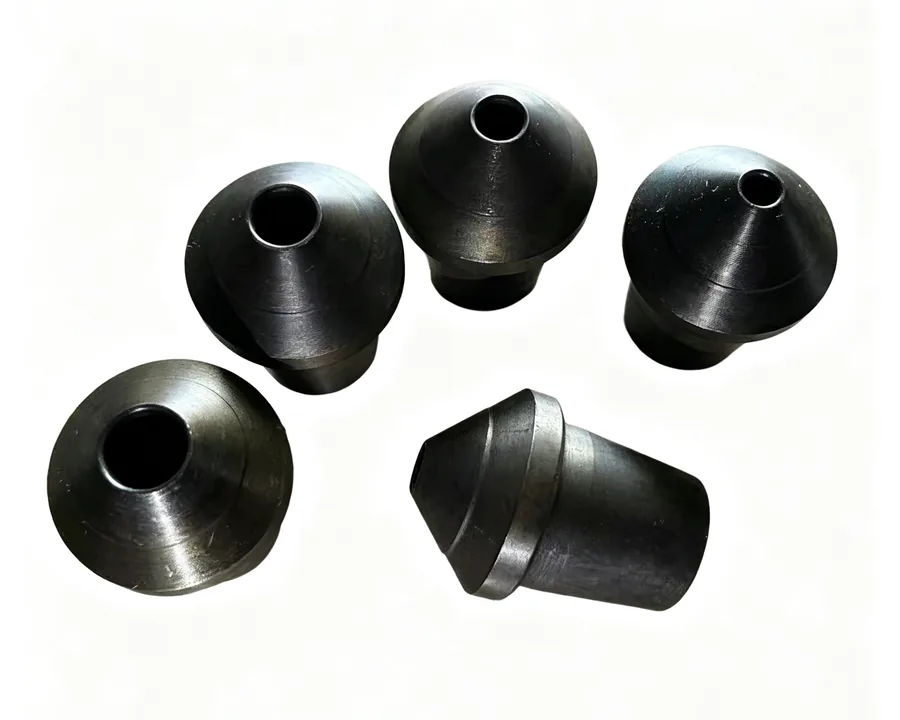
Confirm the material, shot-package compatibility, mounting arrangement, and replacement procedure.

Replacement nozzles for hot chamber die casting machine hot ends

Nozzle

Match the nozzle geometry, heating arrangement, and die interface to the agreed configuration.

Heating elements for hot chamber die casting machine nozzles

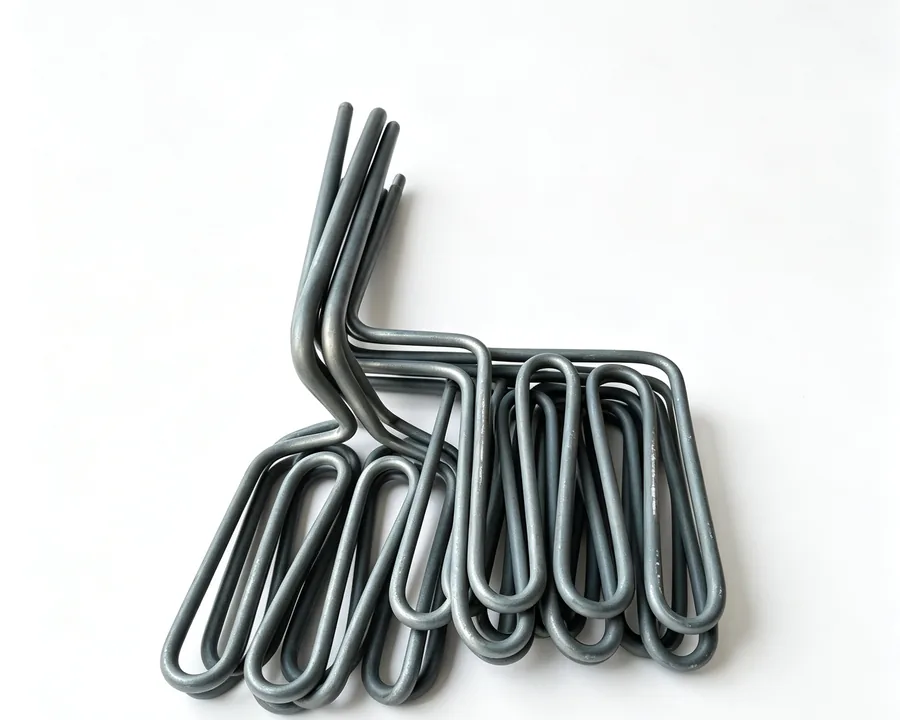
Heating elements

Document voltage, wattage, dimensions, connection type, and the quantity supplied as spares.

Thermocouples for hot chamber die casting temperature control

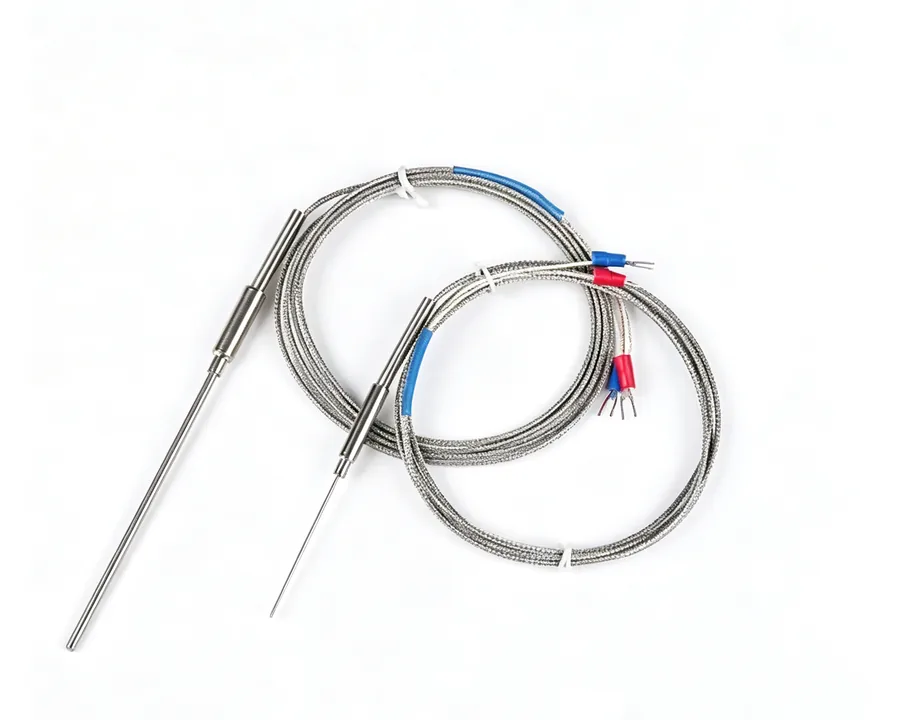
Thermocouples

Confirm sensor type, location, connector, controller compatibility, and replacement access.

Application screening

Where Buyers Commonly Evaluate Zinc Hot Chamber Machines

Application names are useful for context, but they do not establish tonnage. Use the actual part drawing, cavity count, runner, projected area, surface requirements, and die concept for selection.

Hardware

Locks, fittings, and functional hardware

Multi-cavity layouts can make die area and total runner weight more important than the weight of one finished part.

Open hardware application guide
Electrical

Connectors, housings, and shielding parts

Thin sections and functional interfaces require a review of fill path, venting, dimensional control, and downstream finishing.

Open electrical housing guide
Consumer products

Handles, mechanisms, and decorative components

Surface expectations, plating allowance, parting-line location, trimming, and handling should be included in the cell discussion.

Open appliance application guide
Industrial components

Small housings, brackets, and mechanisms

Part families may justify a model with a broader die envelope even when the current casting fits a smaller shot capacity.

Open industrial application guide

Comparable quotation scope

Compare the Complete Zinc Casting Cell, Not the Machine Name

Two DM90T quotations can represent different equipment when the hot end, furnace, controls, spares, and automation boundaries are not identical.

Ask suppliers to separate base machine equipment, required options, recommended options, startup spares, operating spares, peripherals, testing, documentation, packing, and service. This gives your purchasing team a usable technical and commercial comparison instead of a headline-price table.

Request a Scope-Based Quote
01

Machine: exact model, clamping unit, injection package, controls, voltage, and safety standard

02

Hot end: gooseneck, nozzle, plunger components, heating, sensors, and furnace configuration

03

Automation: sprayer, extractor, conveyor, trim, cooling, guarding, and interface responsibility

04

Delivery: testing, documents, spares, packing, trade terms, installation, and commissioning scope

Workshop review

Use Current Factory Evidence to Support Your Supplier Check

Workshop images provide context for assembly access, equipment staging, and dispatch preparation. They do not represent guaranteed stock or a committed production date.

Request project-specific evidence
Die casting machine workshop assembly area
Assembly and access conditions
Die casting machines arranged on the factory floor
Production-floor equipment staging
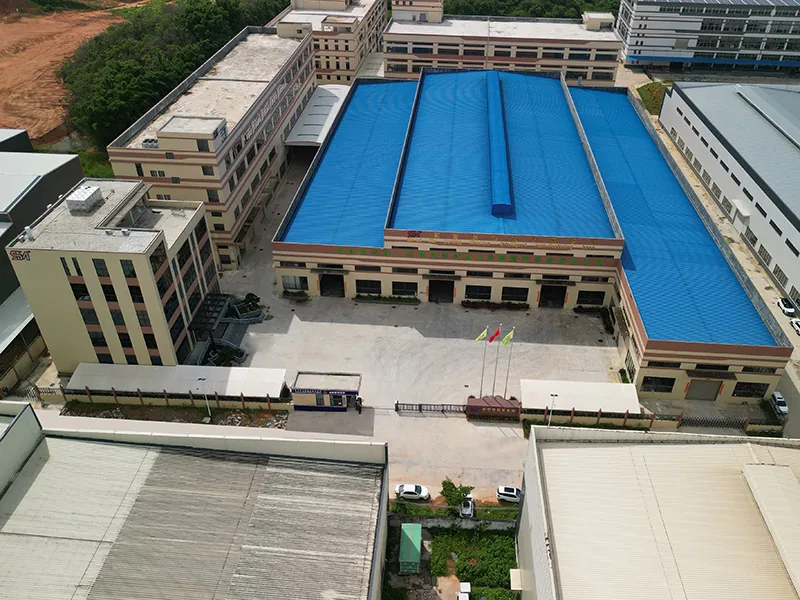
Manufacturing facility and dispatch yard for die casting equipment
Facility and dispatch-area reference

Hot-end lifecycle planning

Freeze the Machine and Hot-End Spare-Parts Scope Together

The selected model, furnace, gooseneck, nozzle, plunger package, heating circuits, sensors, and automation interfaces should control the startup and operating-spares list.

Do not order hot-end replacements from a generic model name.

Carry the approved machine record into the spare-parts RFQ, including the build period, drawing or sample, mating dimensions, alloy and temperature, electrical ratings, inspection evidence, and required quantities.

Browse Hot Chamber Spare Parts

Frequently asked questions

Hot Chamber Die Casting Machine FAQ

Focused answers for buyers comparing zinc machine models, alloy fit, hot-end configuration, automation, spares, and quotation scope.

What is a hot chamber die casting machine?

A hot chamber die casting machine keeps the injection gooseneck immersed in the molten alloy. The plunger sends metal through the gooseneck and nozzle into the die. This arrangement is commonly used for zinc alloys because it removes a separate ladling step and supports a compact, repeatable production cycle.

Which alloys are suitable for hot chamber die casting?

Zinc alloys are the primary fit for this machine range. Alloy chemistry, operating temperature, and compatibility with the immersed gooseneck and other hot-end components must be confirmed. Aluminum is normally processed on a cold chamber machine because its temperature and interaction with the immersed injection system create a different equipment requirement.

How do I choose between the DM38T, DM50T, DM68T, DM90T, and DM168T?

Start with total projected area and required cavity pressure, then check casting plus runner weight, cavity count, tie-bar spacing, platen size, die thickness, opening stroke, and the available zinc shot package. The smallest model that passes every check is a better shortlist than choosing from part weight or nominal tonnage alone.

What hot-end details should be included in the quotation?

Confirm the gooseneck, nozzle, plunger, nozzle heating, thermocouples, furnace arrangement, temperature-control hardware, and the shot package used for the quoted zinc capacity. Ask for included startup spares and identify which wear parts are standard, optional, or sourced separately so competing quotations can be compared on the same basis.

What information is needed to estimate hot chamber machine price?

Provide the alloy, part and runner weight, projected area if known, die dimensions and weight, cavity count, target output, voltage, destination, automation level, safety requirements, and requested spares. Price depends on the selected model plus hot-end configuration, controls, furnace scope, peripherals, documentation, testing, packing, and service terms.

Can a hot chamber machine be supplied with automation?

The requested scope can include a sprayer, extractor, conveyor, trim equipment, cooling, release-agent delivery, guarding, and cell-control interfaces. The useful question is not whether automation is available, but which operations must be automatic, what cycle assumption is being used, and who is responsible for each interface in the final quotation.

Which spare parts should a buyer plan for?

A startup and operating-spares review should cover the gooseneck, nozzles, plunger components, heating elements, thermocouples, seals, filters, and other wear items tied to the selected configuration. Quantities should reflect your maintenance plan, local lead times, and whether critical parts are interchangeable across machines already in your plant.

Request hot chamber machine selection

Send Your Zinc Part and Die Data

Upload the part drawing and share the zinc alloy, casting plus runner weight, projected area if known, cavity count, die dimensions, target output, voltage, destination, automation needs, and preferred spare-parts scope.

If some inputs are not available, mark them as unknown. The initial review can identify the missing decisions before a model, hot-end configuration, or final price is confirmed.

  • Process fit and model range screened from available data
  • Die envelope and zinc shot package reviewed
  • Machine, hot-end, automation, and spare scope separated
  • Missing assumptions identified for follow-up
Get a Quote WhatsApp