Replacement-part sourcing desk

Die Casting Machine Spare Parts

Start with the machine system, then control the exact interface. This hub routes cold chamber, hot chamber, wear-part, thermal, and peripheral inquiries into a quotation that purchasing and maintenance can evaluate together.

  • Cold and hot chamber sourcing paths
  • Brand, model, drawing, or sample review
  • Mechanical and electrical confirmation
  • Purchase-order evidence checklist

Technical content reviewed August 10, 2026 by Cathy, Director. Final supply and compatibility remain subject to the approved drawing, sample, inspection route, and quotation.

ROUTE SELECTOR01 / PROCESS FAMILY
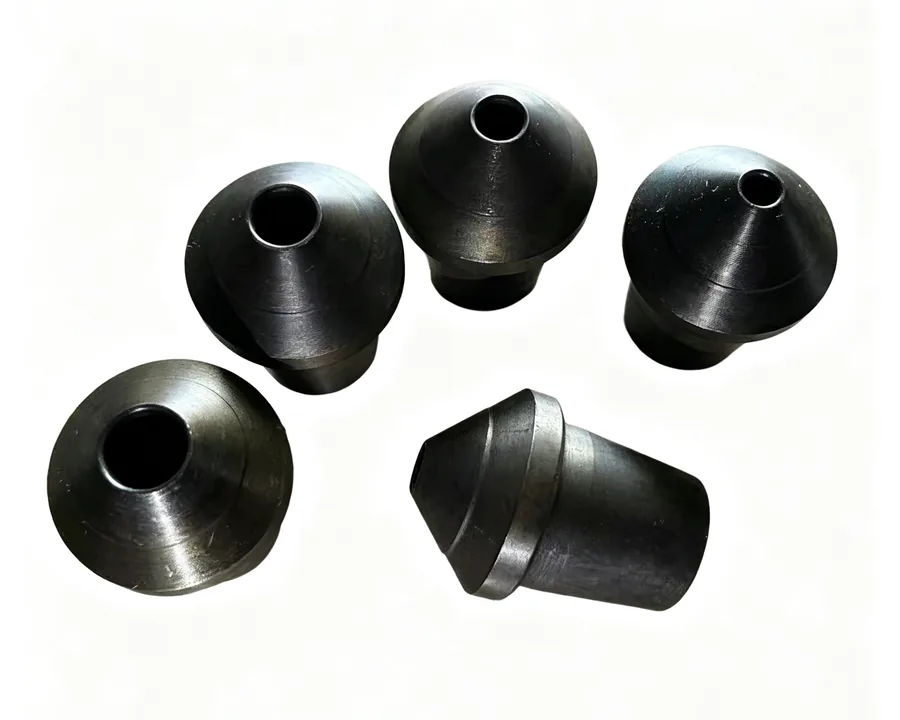
Cold chamber die casting plunger tips
COLD CHAMBERInjection and peripheral parts12 categories
Hot chamber die casting gooseneck pots
HOT CHAMBERImmersed hot-end and thermal parts16 items
Unknown machine type? Send the full nameplate and an overall equipment photo.
Direct answer

To identify a die casting machine spare part, provide the machine or peripheral brand and exact model, installed location, clear photos, marked critical dimensions, quantity, and a drawing or approved sample when available. Add alloy, temperature, electrical, pressure, lubricant, media, and failure information when those conditions affect the part.

Build the identification file

Step 01 / Choose the system

Enter the correct chamber-family catalog

The two child collections contain the detailed part register, verification fields, troubleshooting evidence, brand options, FAQs, and dedicated RFQ path for each process.

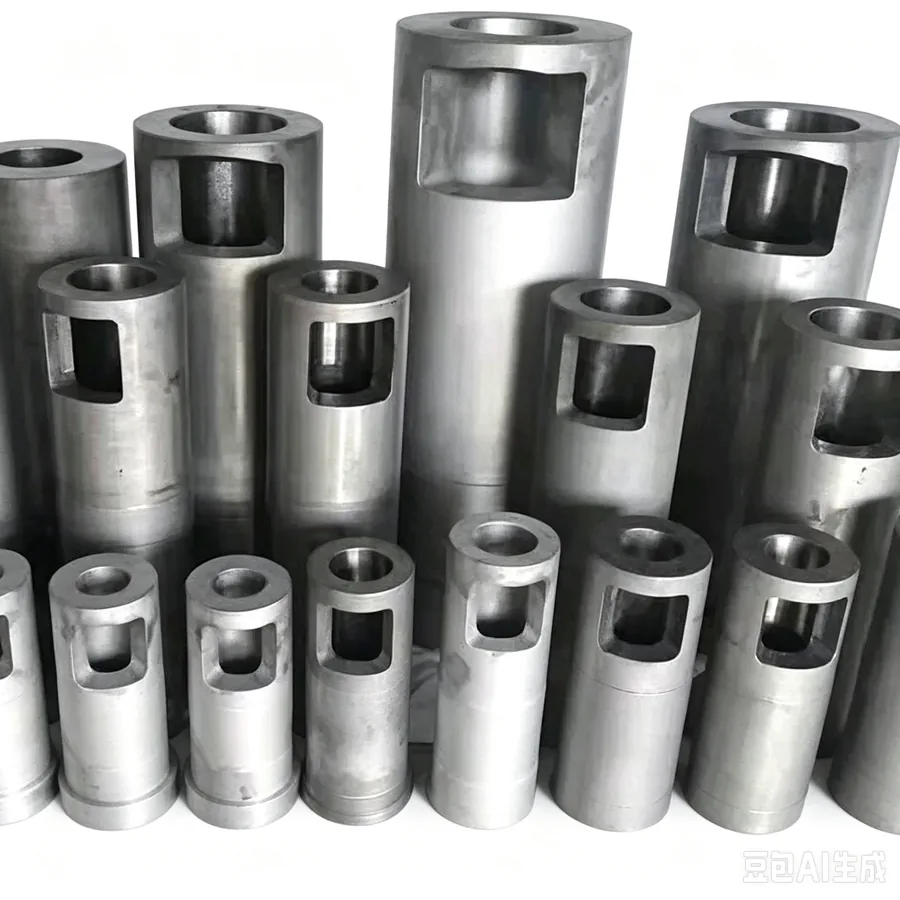
Cold chamber shot sleeves used in the injection chain12 sourcing categories
ALUMINUM / MAGNESIUM PROCESS SUPPORT

Cold Chamber Spare Parts

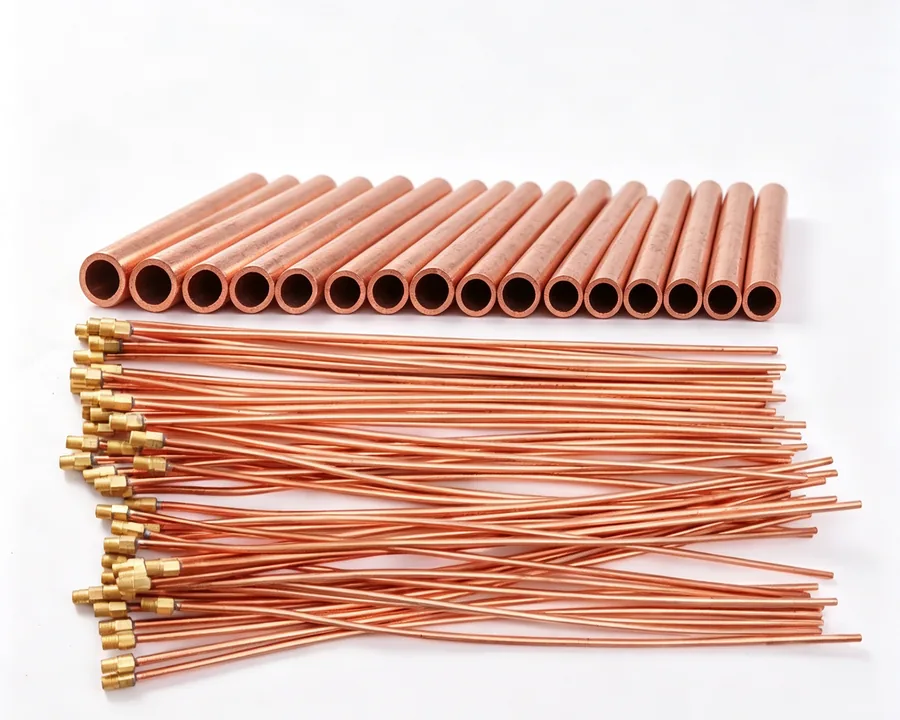
Use this route for plunger tips and rods, shot sleeves, couplings, sprayer nozzles and tubes, ladler cups, skimming tools, lubricant beads, and associated foundry-support items.

  • Control the complete injection-chain interface
  • Verify shot package and peripheral model
  • Separate machine wear parts from auxiliary tooling
Open the cold chamber procurement page
Hot chamber gooseneck pots for an immersed zinc injection system16 supplied-material items
ZINC HOT-END AND THERMAL CONTROL

Hot Chamber Spare Parts

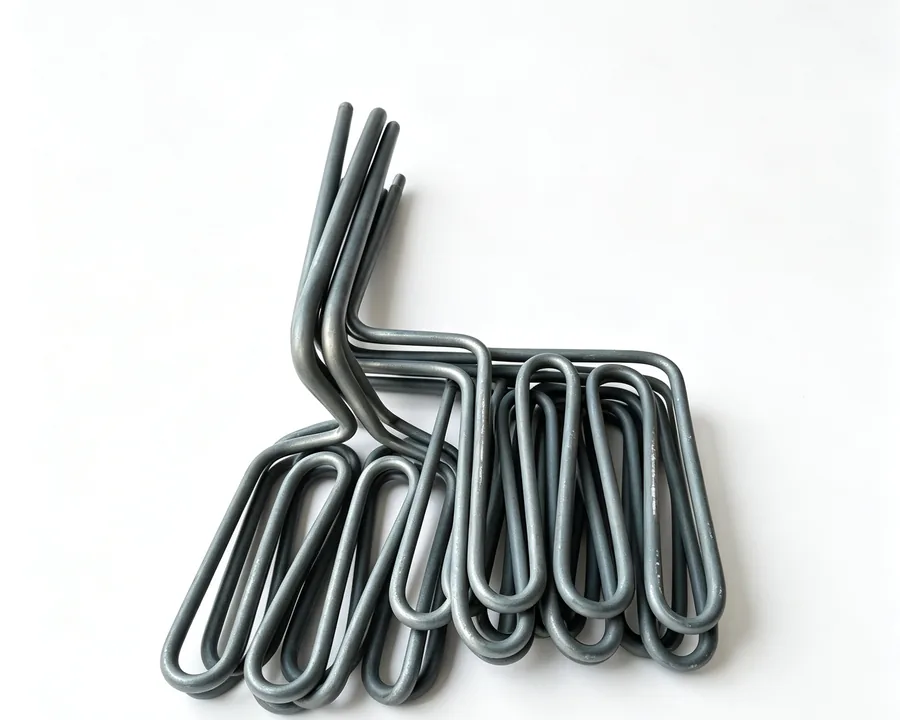
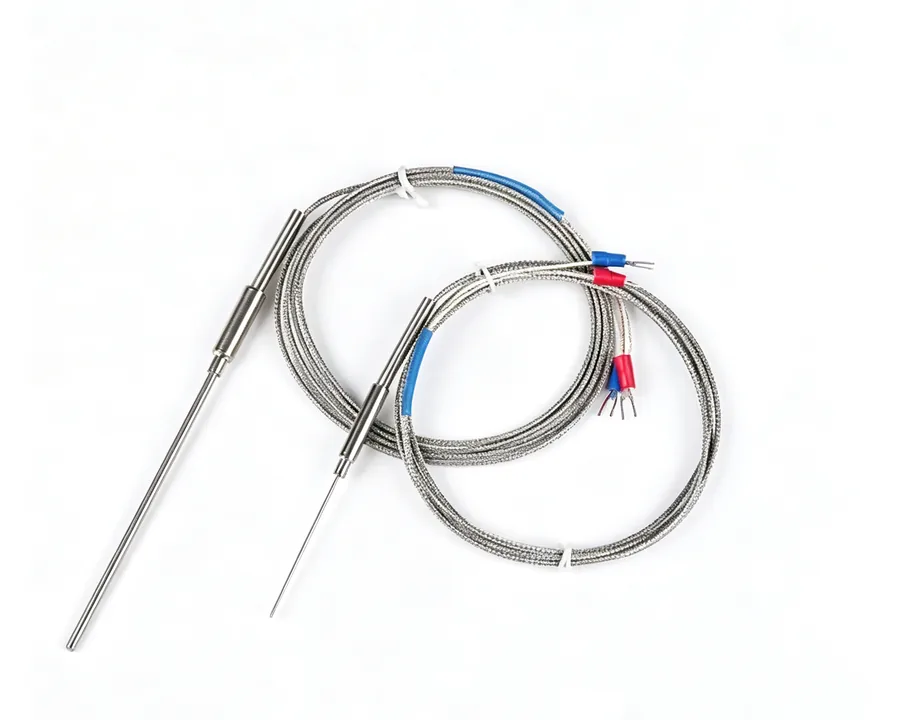
Use this route for goosenecks, plungers, nozzle tips, service tools, heater bands, blocks and elements, thermocouples, spray components, and molten-zinc handling items.

  • Review metal path, heat, motion, and sensing together
  • Record voltage, power, resistance, and sensor type
  • Verify furnace and hot-end configuration
Open the hot chamber procurement page

Step 03 / Identification file

Turn “this part is broken” into an auditable RFQ

A complete inquiry reduces clarification cycles and gives suppliers the same technical basis. Use all four evidence routes when the risk of downtime or mismatch is high.

01

Machine identity

Brand, exact model, serial number or build period, part location, and a complete equipment photo narrow the applicable configuration.

02

Measured interface

Mark diameters, bores, lengths, threads, ports, flanges, seats, connectors, voltage, power, and sensor information on photographs or sketches.

03

Controlled evidence

A drawing, approved sample, nameplate, material record, electrical label, or previous inspection report gives the quotation a traceable reference.

04

Operating condition

Alloy, temperature, pressure, cycle, lubricant, spray media, failure symptom, maintenance history, quantity, and urgency explain what the part must survive.

One inquiry package per part or controlled kit

Do not mix unrelated machines, revisions, and unmarked photographs in one request. State which measurements are verified, which come from an old drawing, and which remain assumptions. Ask Cathy which approval evidence should be included before releasing the inquiry.

Step 04 / Compatibility target

Select the installed machine brand

The brand routes the inquiry and narrows the probable machine family. It does not prove fit. Continue with exact model, build period, part interface, drawing, sample, and operating condition.

Read the full compatibility guidance

Brand names identify the machine a requested part is intended to fit. They do not imply affiliation, endorsement, distributorship, or official OEM authorization. Final fit is controlled by the approved technical evidence.

Step 05 / Purchase decision

Choose the supply route after the evidence review

The correct commercial route depends on identity, condition, hidden geometry, quantity, time, inspection needs, and the consequence of a mismatch.

KNOWN STANDARD

Replacement against a controlled reference

Use when machine identity, revision, drawing or approved sample, material, interfaces, and acceptance requirements are clear.

NON-STANDARD / DISCONTINUED

Drawing-based feasibility review

Use when the original is unavailable or modified. Freeze assumptions, hidden-feature risks, inspection, and first-article approval before production.

Discuss drawing-based supply
UNCERTAIN ROOT CAUSE

Diagnose before replacing

Use when wear, heat, alignment, process, lubrication, controls, or mating parts could cause the visible damage to recur.

Review acceptance planning

Quotation normalization

Compare the same scope, not just the unit price

A usable quotation identifies what will be supplied, what evidence supports it, what remains excluded, and how the first part or batch will be accepted.

Discuss your replacement-part file
IdentityMachine, part, location, drawing or sample revision, mating components
SpecificationMaterial, heat treatment, coating, tolerances, electrical or sensor data
EvidenceInspection report, material document, resistance or calibration check, first article
CommercialQuantity, unit, lead time, Incoterm, packing, marking, validity, exclusions
AcceptanceFit trial, sample approval, nonconformance, replacement responsibility, warranty boundary

Die casting spare-parts FAQ

Answers before you send the inquiry

The answers establish a safer sourcing process. Project-specific compatibility, material, performance, lead time, and supply commitments require a written quotation and approved technical record.

Q01What die casting machine spare parts can be sourced from this page?

The parent collection routes inquiries to cold chamber injection and peripheral parts, hot chamber hot-end and thermal-control parts, plunger tips, plunger rods, nozzles and nozzle bodies, heating elements, thermocouples and probes, and sprayer or ladler components. Each category requires its own dimensional, material, electrical, process, and acceptance review. The catalog defines the inquiry scope; it does not mean every size, revision, or brand configuration is interchangeable or held in stock.

Q02What information should I send for an accurate spare-parts quotation?

Send the machine or peripheral brand, exact model, serial number or build period when available, part name and installed location, complete and close-up photographs, marked critical dimensions, quantity, destination, and required timing. Add a drawing or approved old-part sample whenever possible. For hot-end, heater, or sensor components, include alloy, operating temperature, voltage, wattage, resistance, probe type, controller input, and connector details.

Q03Can a replacement part be selected only by machine brand and model?

Brand and model are useful routing information, but they are not normally enough for final approval. Machines with the same model name can have different build years, shot packages, furnaces, peripherals, component suppliers, regional options, or local modifications. Confirm the mating interface, critical dimensions, material, electrical data, installed position, and drawing or sample before manufacture or dispatch. Brand references describe the intended compatibility target and do not imply OEM authorization or affiliation.

Q04Should I start with cold chamber parts or hot chamber parts?

Start with the process used by the installed machine. Cold chamber inquiries commonly involve shot sleeves, plunger assemblies, spray and ladling components, lubricants, and related foundry tooling. Hot chamber inquiries commonly involve immersed goosenecks, plungers, nozzles, heaters, thermocouples, and molten-zinc handling. If the machine type is uncertain, send the complete nameplate and machine photo instead of guessing from an isolated spare-part image.

Q05Can a discontinued or non-standard part be reviewed from an old sample?

A drawing-based or sample-based feasibility review may be possible, but the evidence must distinguish measured geometry from unverified assumptions. Internal passages, material grade, heat treatment, hardness, coating, heater construction, sensor calibration, and hidden tolerances may not be recoverable from an external photograph. The quotation should state the approved sample or drawing revision, inspection method, first-article route, open technical assumptions, and any trial or machine-side responsibility.

Q06How should purchasing compare quotations from different spare-parts suppliers?

Issue the same controlled RFQ to every supplier. Compare material, heat treatment, hardness, coating, critical dimensions and tolerances, electrical ratings, inspection evidence, sample approval, quantity, unit, lead time, packing, marking, Incoterm, documentation, warranty boundary, exclusions, and nonconformance handling. A lower unit price is not comparable when one quotation omits the mating interface, material evidence, inspection report, or first-article requirement.

Q07What is the safest way to handle an urgent machine-down spare-part request?

State that the machine is down, but do not remove the technical release controls that prevent a second mismatch. Send the nameplate, installed-location photograph, removed-part images, marked measurements, quantity, and failure symptom in one package. Identify which dimensions are verified and which are estimates. Ask the supplier to separate technical review time, production lead time, shipping method, and any first-article risk so purchasing can make an informed recovery decision.

Spare-parts identification request

Send the evidence once, receive a clearer quotation

Upload the machine nameplate, installed location, removed part, marked dimensions, and drawing or sample information in one request.

  1. 01
    Machine

    Brand, exact model, build period, overall photo, part location, and modification history.

  2. 02
    Part

    Name, function, quantity, dimensions, mating interfaces, material, label, drawing, and sample.

  3. 03
    Condition

    Alloy, temperature, pressure, media, cycle, failure symptom, maintenance history, and urgency.

  4. 04
    Order

    Destination, timing, inspection, documents, first article, packing, and acceptance requirements.

Get a Quote WhatsApp